
Implant Surgery & Support
Why implants fail — and how we reduce the risk
Implant failure is uncommon — but it is not random. Understanding why it happens is how you avoid it.
Two kinds of failure
Early Failure
Occurs within months of placement, before or during integration. Causes include infection, insufficient bone at the site, and premature loading — putting the implant to work before the bone has had time to fuse to it.
Late Failure
Happens after the implant has fully integrated and been functioning. The most common cause by far is peri-implantitis, a bacterial infection that progressively destroys the bone around an integrated implant.
Warning signs to take seriously
Peri-implantitis is often painless in its early stages. Several of these signs are picked up at routine maintenance visits long before you would notice anything yourself.
- ✓ Pain at the implant site, particularly if it appears after a period of comfort
- ✓ Gum swelling or redness around the implant
- ✓ Increasing probing depths recorded at hygiene visits
- ✓ Any mobility in the implant itself
- ✓ Visible bone loss on imaging
How we reduce the risk
Surgical Planning
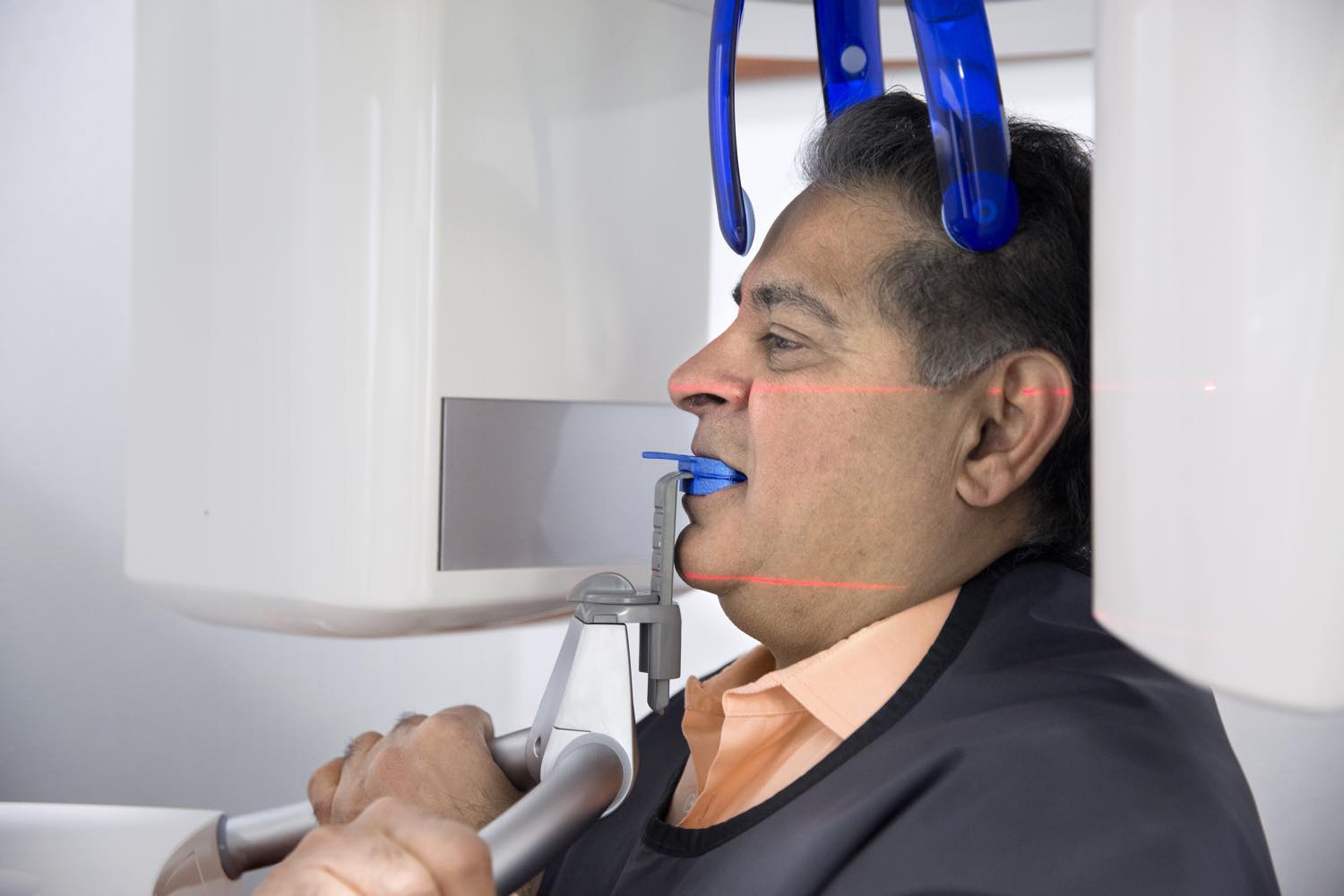
Computer-guided surgery positions implants optimally — in adequate bone, clear of anatomical structures, at angles that distribute load properly.
Bone Assessment
Where volume or density is insufficient, grafting is done first. Placing an implant into inadequate bone to save a stage is how early failures happen.
Infection Control
Sterile surgical protocols and appropriate antibiotic coverage throughout.
Patient Compliance
Oral hygiene, adherence to post-operative instructions, and attending maintenance appointments. This is the factor patients control, and it is the one that most determines late outcomes.
Related procedures & comparisons
Questions about your procedure?
Concerned about an existing implant? Book an evaluation. Call (905) 479-7777.