Full Mouth Restoration on All-on-6 Implants
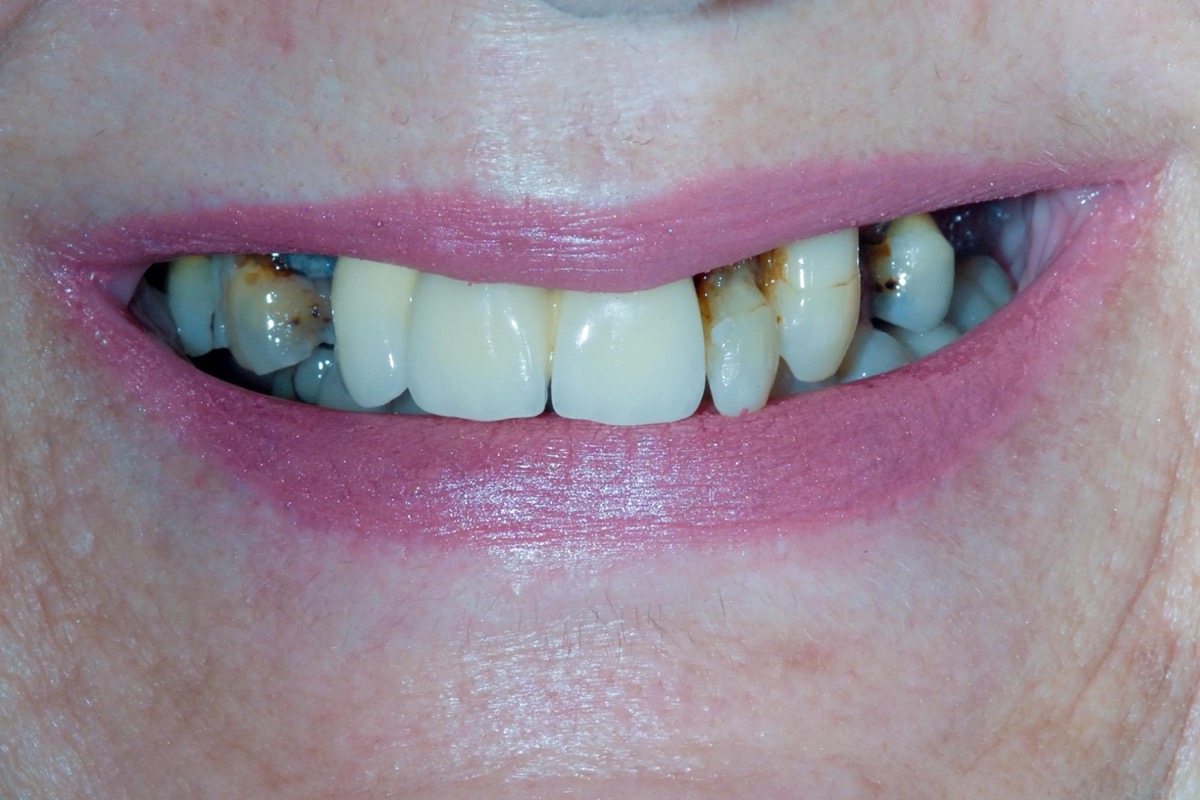
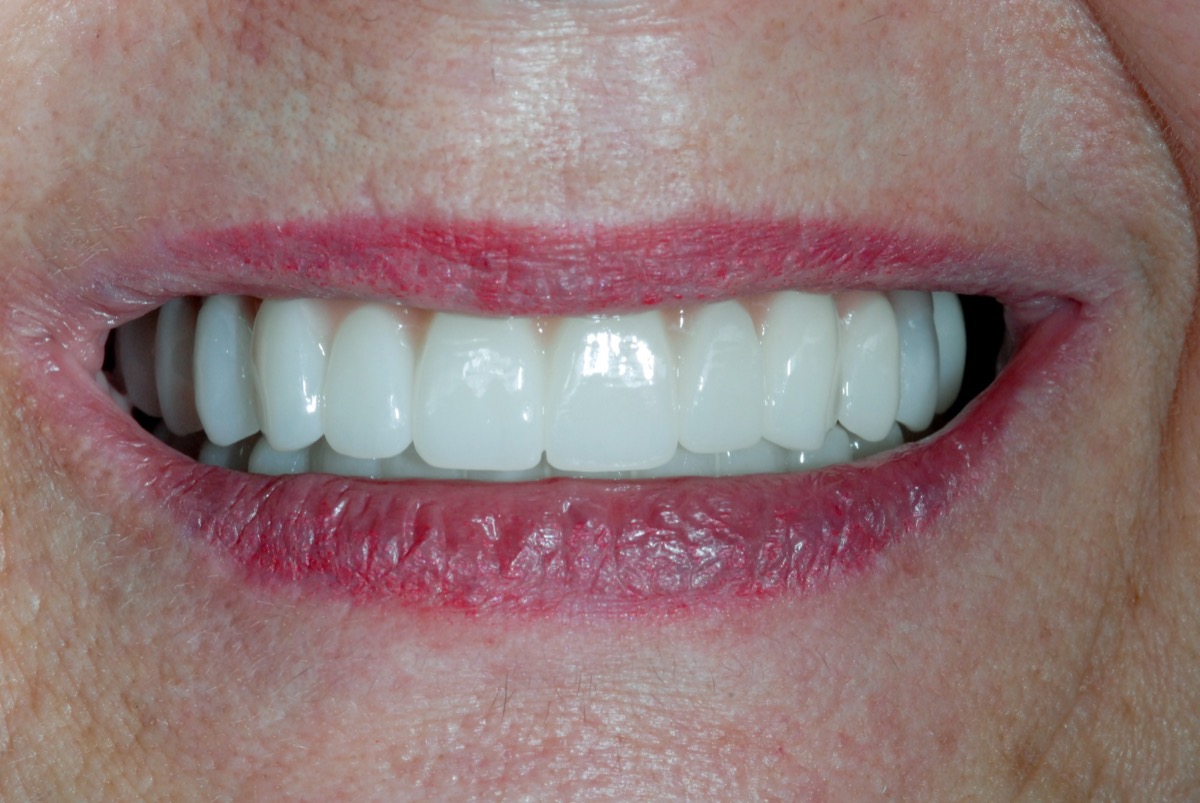
Upper and lower arches on All-on-6 implants
Heavily decayed and discoloured teeth replaced with fixed restorations carried on six implants in each arch, rebuilt to an even shade and alignment.
Fixed tooth replacement that looks natural, functions like a natural tooth, and is built to last — planned in three dimensions before anything is placed.
Dr. Singh began in the mid-1990s, when general practitioners in Ontario were first trained to place them. That is thirty-one years of cases.
We have done so since 2005, not only for selected cases. More on that below.
The scan, the plan, the surgical guide, the surgery, the temporary teeth and the final teeth. No referrals out, no waiting on an outside laboratory.
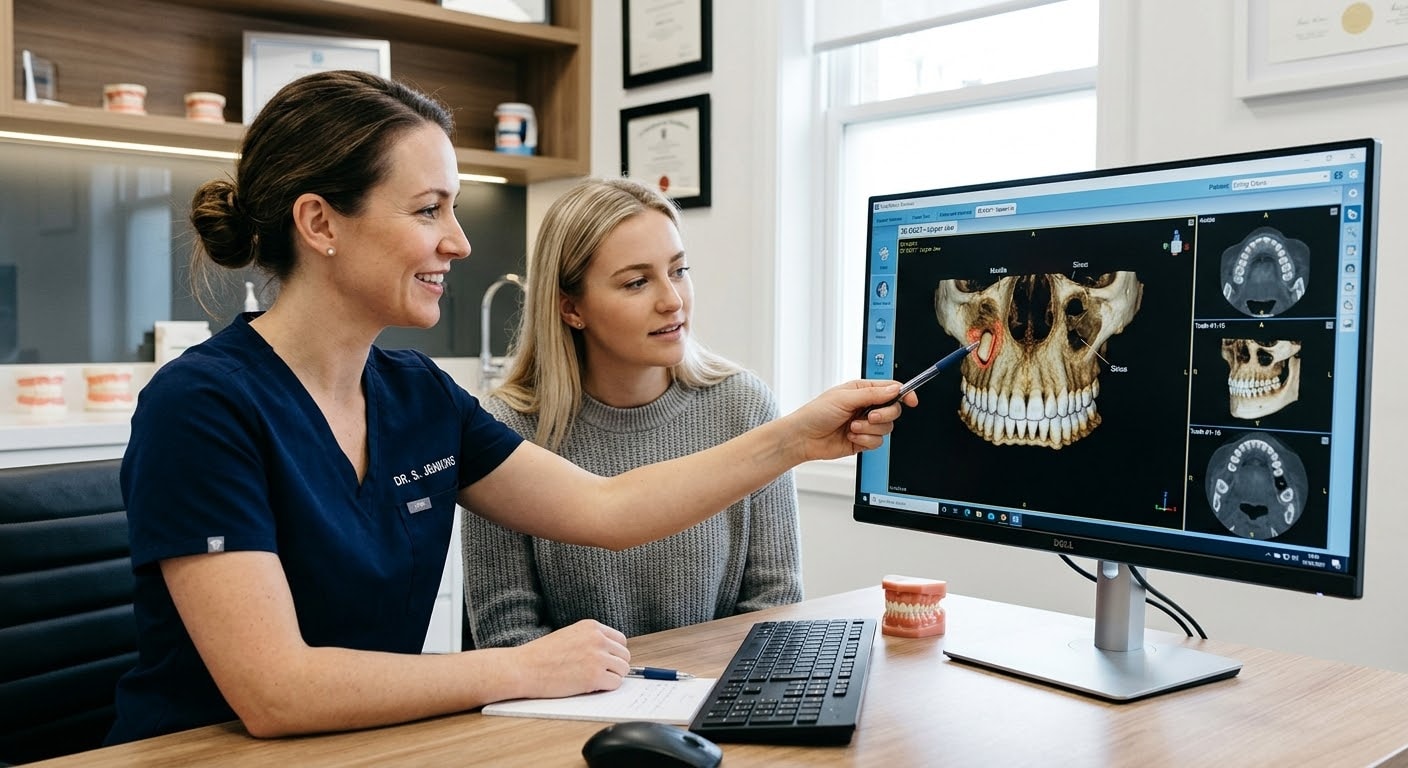
A comprehensive exam including 3D CBCT imaging to assess bone density, anatomy, and ideal implant placement.
Your personalized implant plan is designed using digital software — you see your projected outcome before treatment begins.
The titanium implant post is placed into the jawbone under local anaesthesia. Most patients report minimal discomfort.
Over three to six months the implant fuses with the bone — osseointegration — creating a stable anchor that is designed and planned to be long-lasting.
A custom-crafted porcelain crown is attached to the implant — matched precisely to your natural teeth in shape, shade, and size.
Dental implants are widely regarded as the reference standard for replacing a missing tooth — fixed in place, functioning like a natural tooth, and requiring no alteration to the healthy teeth on either side.
Whether you are missing one tooth, a few teeth or a whole arch, implants can replace them. A few teeth can be carried on individual implants or on an implant bridge. A whole arch is a different treatment, and it is covered further down this page.
What an implant actually is, what the appointments involve, and what it feels like. If you would rather read than watch, the rest of this page covers the same ground.
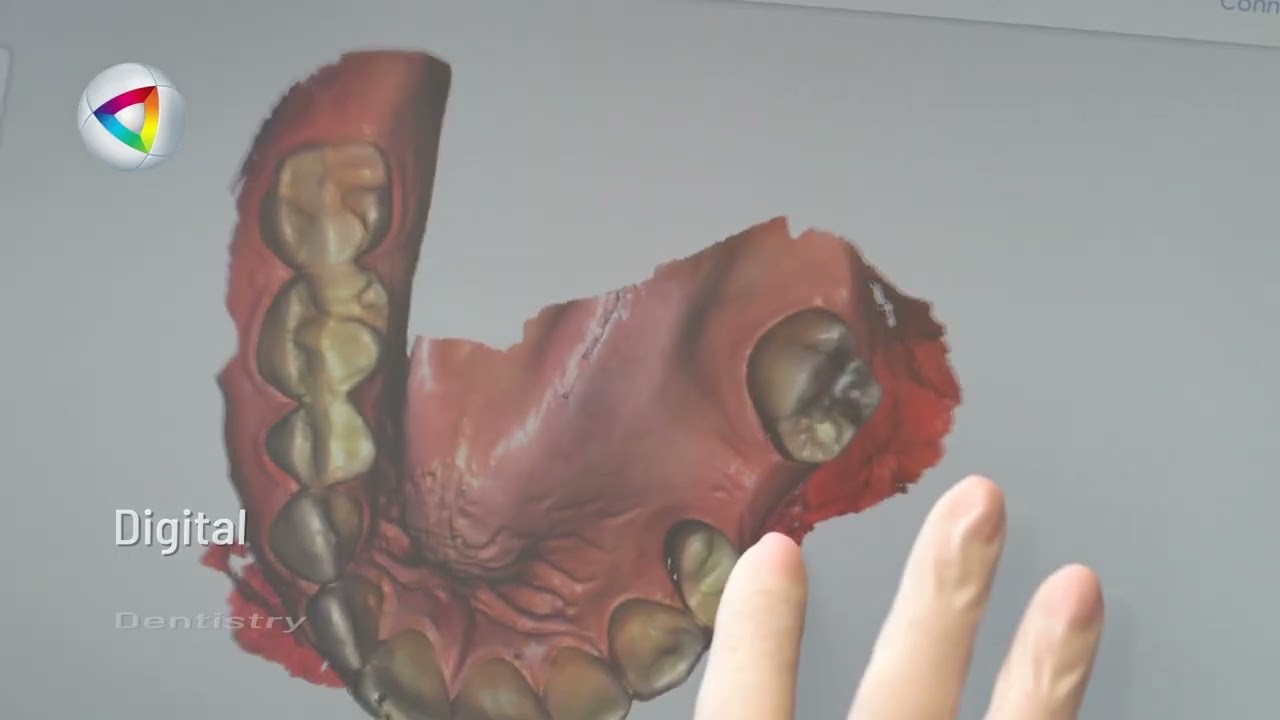
The video is hosted on YouTube. Nothing is requested from YouTube until you press play. Watch it on YouTube instead.
An implant is a small titanium post that replaces the root of a tooth. Where that post sits matters: a millimetre or a few degrees changes how the tooth on top fits, how easy it is to clean, and how close the implant sits to nerves, sinuses and neighbouring roots.
Since 2005 we have planned that position on a computer before the appointment, and placed the implant through a custom guide made to that plan. This is not reserved for complicated cases. It is how we place a single implant, a few to carry a bridge, an implant the same day a tooth comes out, and a full arch.
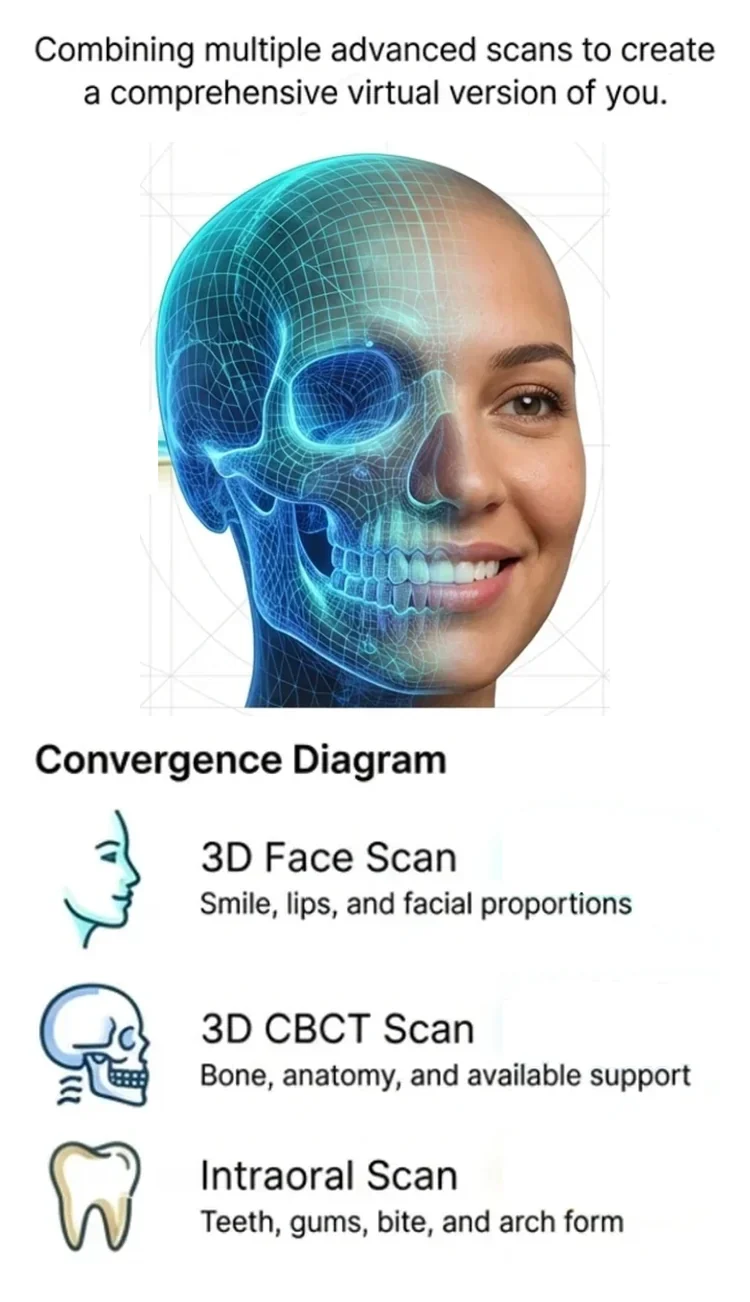
To plan a computer-guided implant, we first need a detailed 3D picture of your mouth and face. We take three scans, because each one shows something the others cannot: a facial scan shows your smile and lips, an intraoral scan (a small camera passed over your teeth) records your teeth, gums and bite, and a CBCT scan (a 3D dental X-ray) shows the bone. Put together, they make what we call your “digital twin”, the model we use to plan your implant.
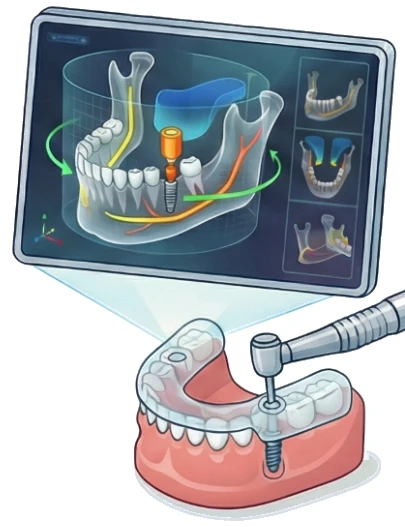
Published trials put guided placement within about three degrees of the plan, against seven to ten degrees by hand. Because we know where the implant will go, many people can be treated through a small opening in the gum, with no cut and no stitches — and that, rather than the guide itself, is what makes the first few days more comfortable.
The bone still takes the same time to heal. And no method is 100% perfect: we still plan a safety margin of at least two millimetres around nerves and sinuses.
How computer-guided implants work, and what the research shows
Replace every tooth in the upper or lower arch with a fixed, non-removable porcelain or zirconia bridge anchored by four to six titanium implants. Planned with computer-guided surgery and bone preservation prioritized, this is one of the most comprehensive implant solutions available — restoring full function and aesthetics in a single surgical appointment.
Key benefits
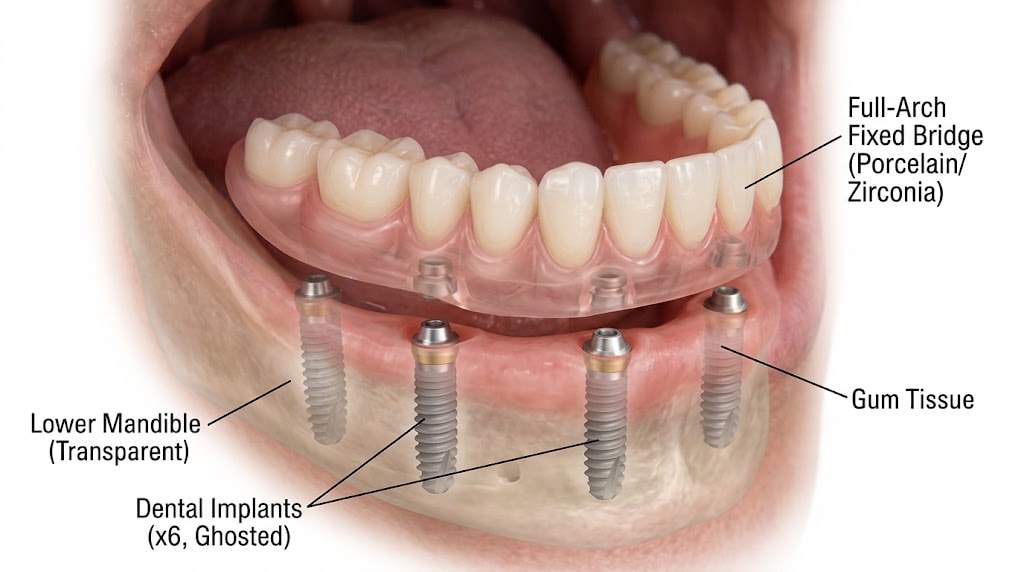
What to expect
Treatment begins with a 3D CBCT scan and digital smile design. Surgery is completed in one appointment; your final fixed bridge is delivered once osseointegration is confirmed — typically 3–6 months later.
Replace one missing tooth with a titanium post and a custom porcelain crown made in our own digital lab — matched to the shade and shape of the teeth beside it, so it is not the tooth people notice.
Key benefits
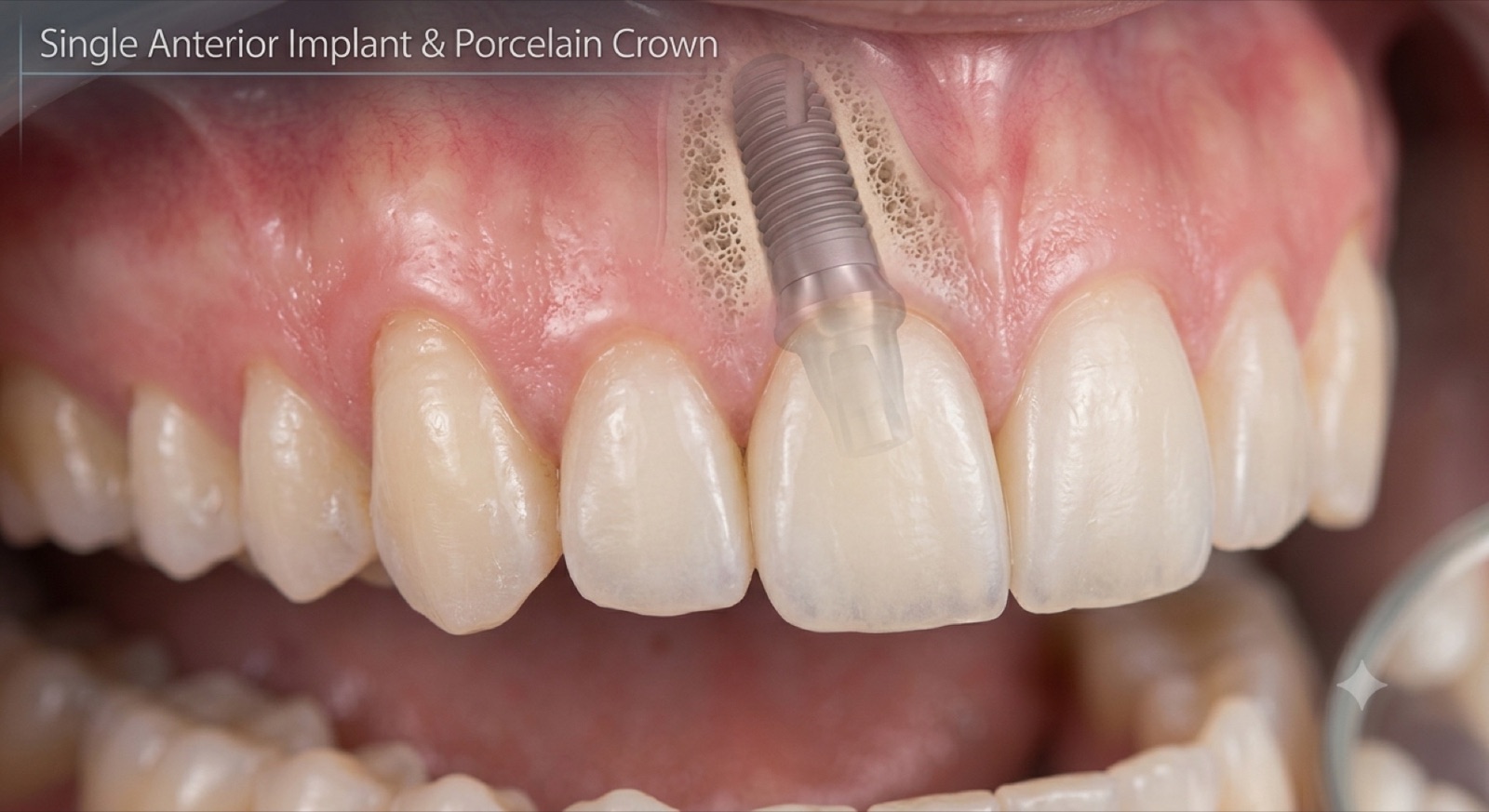
Single tooth implant: titanium post, abutment, and custom porcelain crown — no adjacent teeth involved
What to expect
Most single implants are completed in two visits: placement and crown delivery. Healing takes 3–4 months between appointments.
Computer-guided immediate implants allow us to place the implant and a provisional tooth in a single visit — often the same day as extraction. Precision-planned with 3D CBCT imaging and executed through a surgical guide, this protocol can remove the wait between losing the tooth and having one again. The healing underneath takes just as long.
Key benefits
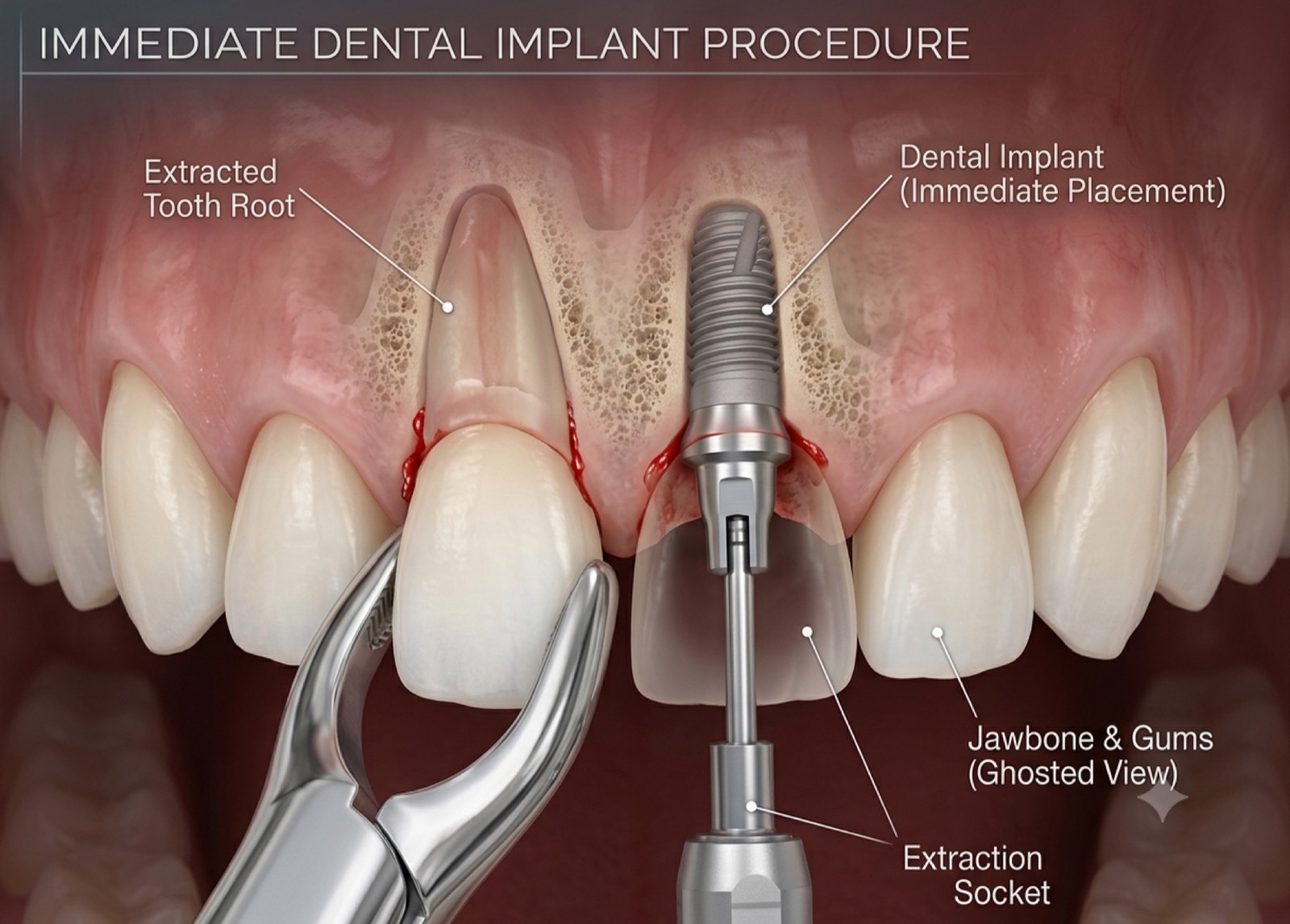
Immediate placement: the implant is inserted directly into the fresh extraction socket — no waiting period required
What to expect
Candidacy depends on bone quality and socket condition assessed at your 3D imaging consultation. Not every site is suitable — your surgeon will confirm eligibility intraoperatively.
Replace two or more missing teeth using implant-supported bridges or individual implants — without altering or crowning adjacent healthy teeth. Each implant is planned with 3D CBCT imaging for precise, minimally invasive placement.
Key benefits
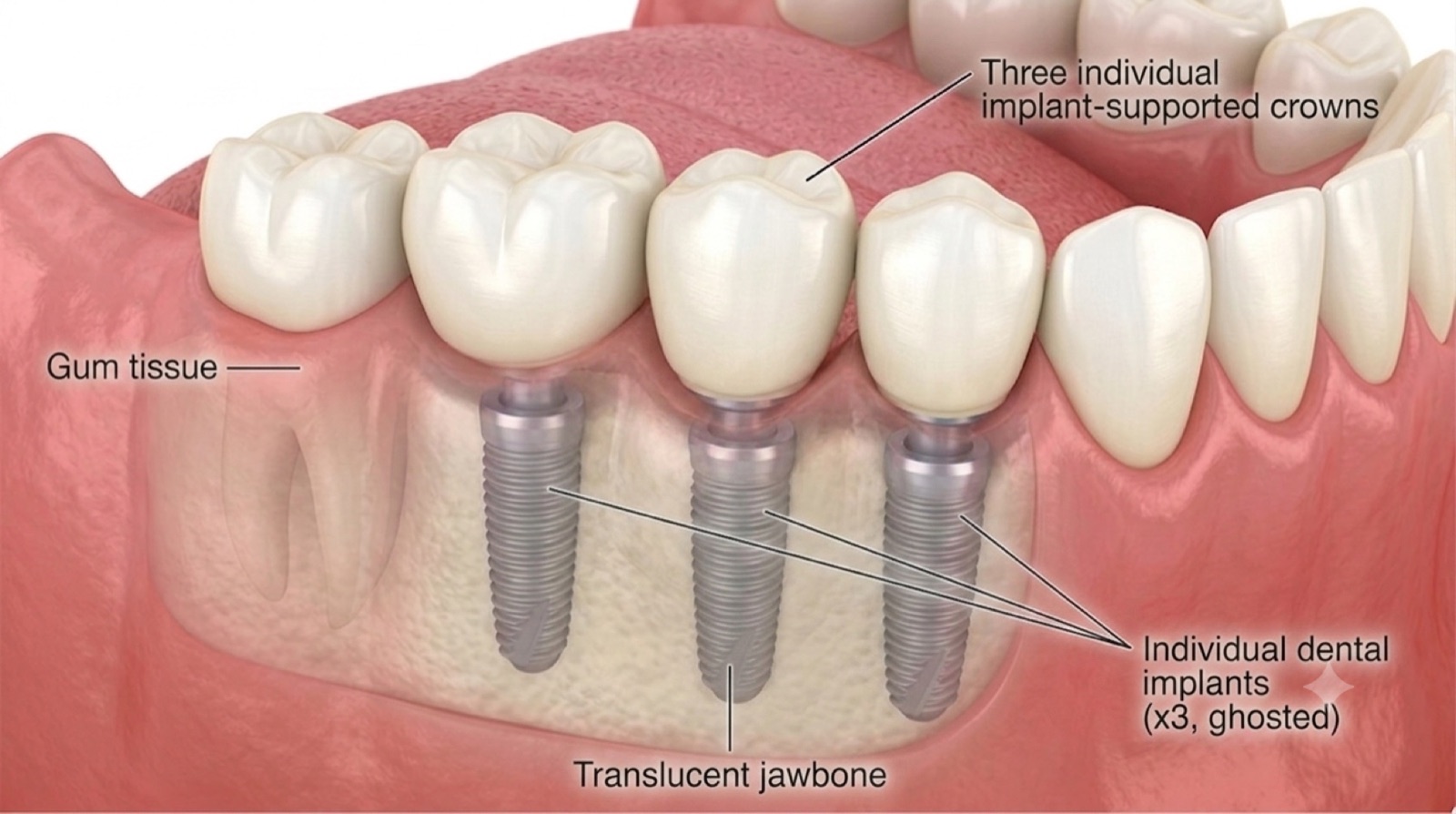
Multiple tooth implants: three individual titanium implants each support an independent porcelain crown — no bridge, no adjacent teeth involved
What to expect
Treatment is staged over 4–6 months. Digital planning lets you preview your final result before a single implant is placed.
An implant-supported bridge replaces two or more consecutive missing teeth using just two implants as anchors — no crowning or grinding of adjacent healthy teeth required. The bridge is fixed, non-removable, and crafted in our in-house digital lab from premium zirconia or layered porcelain. Unlike a traditional tooth-supported bridge, an implant bridge preserves the jawbone beneath the missing teeth by stimulating it the way natural roots do.
Key benefits
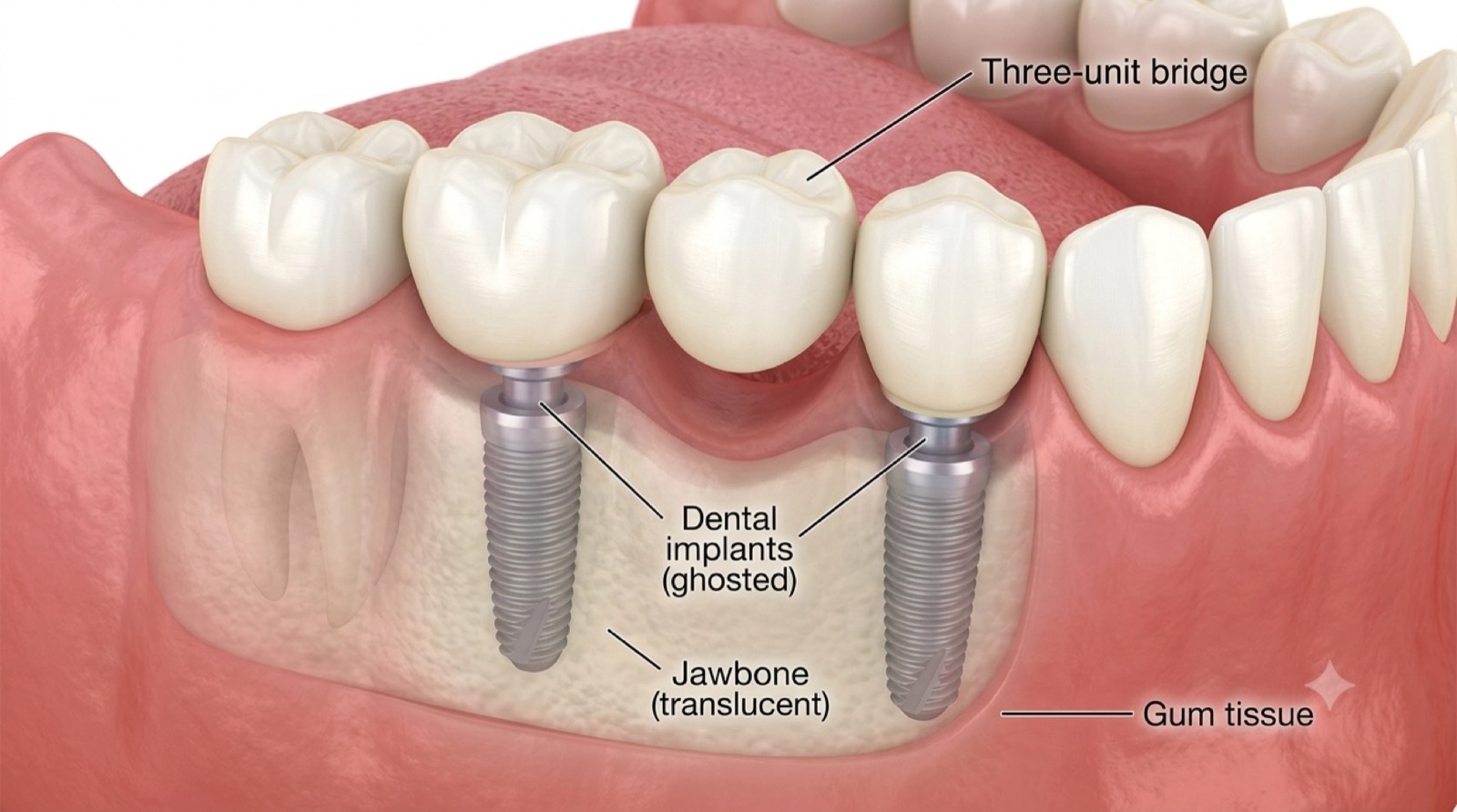
Implant-supported bridge: two implants anchor a three-unit porcelain bridge — no healthy teeth involved
What to expect
Treatment spans 4–6 months from implant placement to final bridge delivery. Digital planning lets you preview your result before any surgery begins.
Snap-on or fixed dentures anchored by implants, for markedly better stability than a conventional denture. They do not slip or click, they need no adhesive, and the implants help preserve the bone beneath.
Key benefits
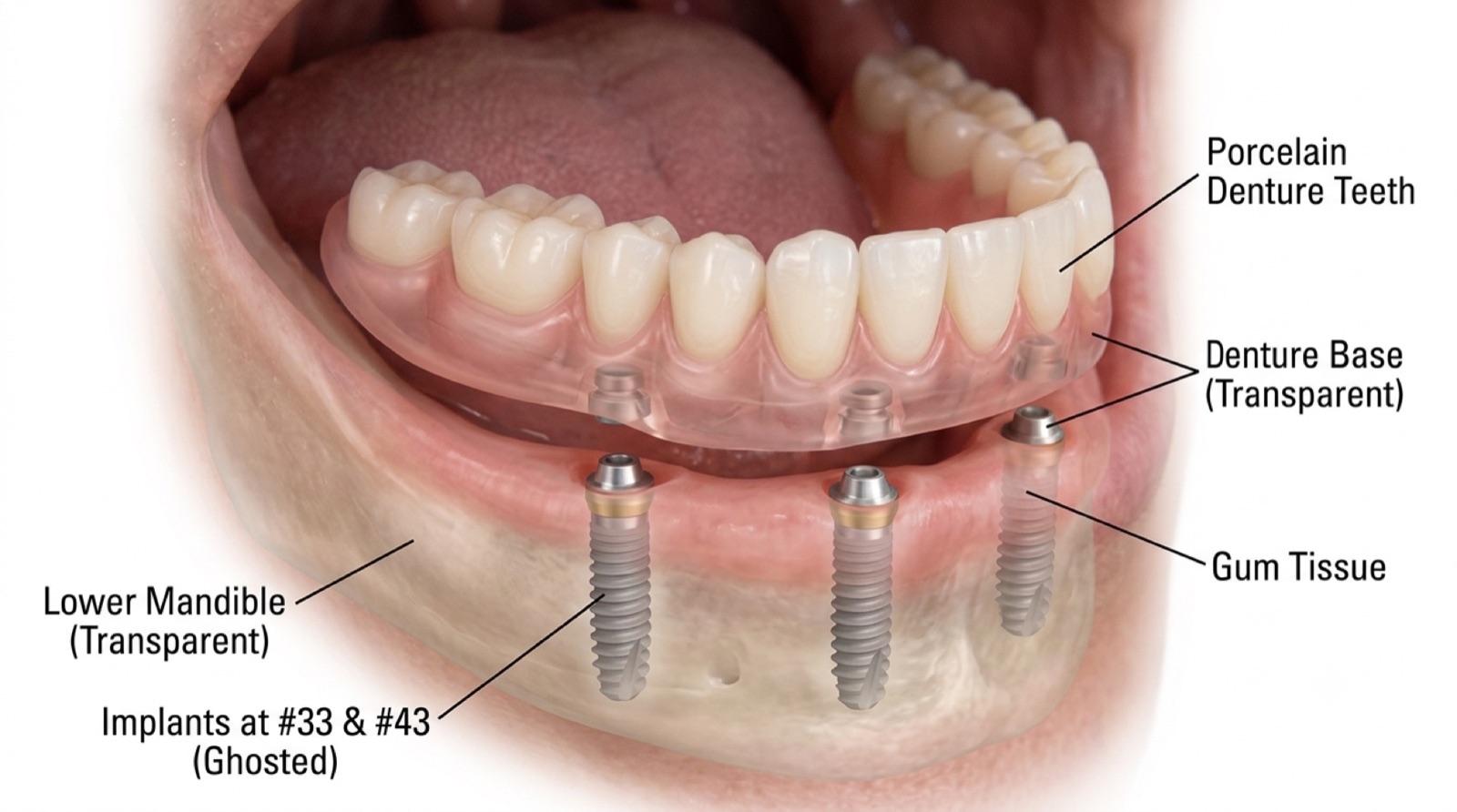
Implant-supported denture: titanium implants anchor a full denture — less slipping, adhesives, and bone loss than a conventional denture
What to expect
Existing dentures can often be converted or used as a temporary restoration while your implants integrate — minimizing time without teeth.
Immediate computer-guided dental implants represent one of the most significant advances in implant dentistry. Using 3D CBCT imaging and a precision-milled surgical guide, we plan the exact position, angulation, and depth of every implant before the tooth is removed — then precisely execute the planned implant position(s) immediately after the removal of the tooth(teeth). The result: an unrestorable tooth removed, an implant placed and a temporary tooth attached to the implant in a single appointment!
Computer-guided surgery reduces the variation of freehand implant placement. The surgical guide — fabricated from your 3D scan — accurately guides the surgeon to the planned implant site(s). This minimizes the need to extend the surgical site to visually confirm the contours of the bone, and thereby reduces trauma to the surrounding tissue, which is what makes the first few days more comfortable.
Important to know
Immediate placement requires adequate bone volume, absence of infection and socket integrity. Suitability is confirmed at your 3D imaging consultation — not every extraction site qualifies, and your surgeon will advise you of your options.
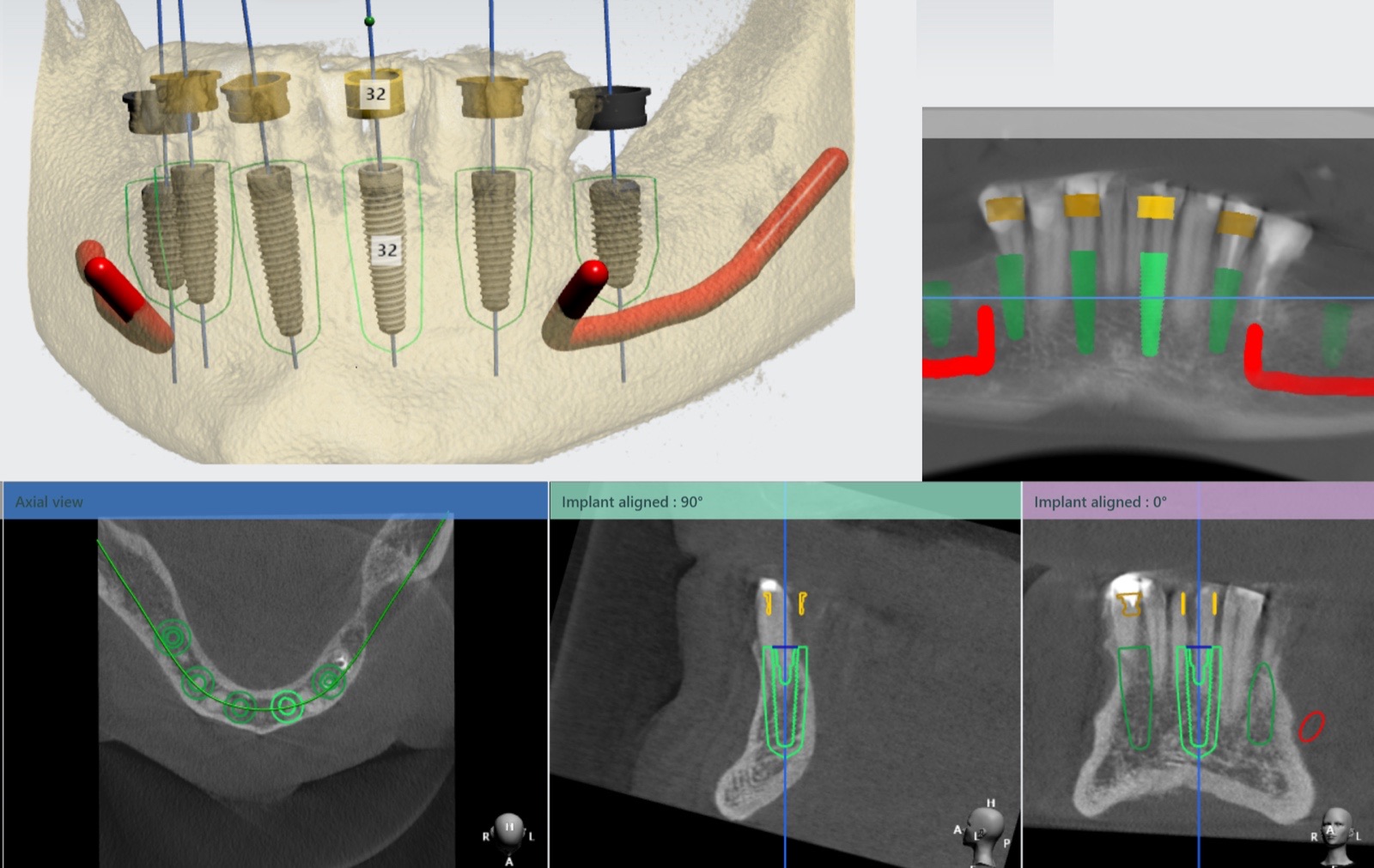
Every implant is virtually placed in your actual bone anatomy before a single incision is made.
A custom-milled guide directs placement to the planned position, rather than freehand estimation.
In eligible cases, a provisional tooth is attached immediately after placement — you leave with a tooth.
Guided surgery reduces tissue trauma and post-operative swelling. The bone itself heals in its own time.
If most or all of the teeth in a jaw are failing, a full arch of fixed teeth can be carried on four, six or more implants — what you will see called All-on-4, All-on-6 or All-on-X. The number depends on your bone, not on a brand name.
This suits people facing the loss of a whole arch, people whose remaining teeth cannot be saved, and long-term denture wearers who want something fixed in place.

We begin with three sets of information: a 3D CBCT scan of your bone, facial photography, and an intra-oral scan of your teeth and gums. Those merge into one digital model of you.
From that model we design the final teeth first, then work backwards to the position, angle and depth of every implant needed to carry them. A surgical guide is milled from that plan in our laboratory, and the implants are placed through it. Your temporary teeth are designed before the day of surgery, from the same model, so they are ready to fit once the implants are in.
Failing teeth are removed, the implants are placed through the guide, and a full set of fixed temporary teeth is attached — in one appointment. You do not spend months without teeth between stages. Sedation is available if you would prefer it; IV sedation is administered by Dr. Stephen Ing, our dental anaesthesiologist.
The temporary teeth are not a converted denture. They are fixed, made for a soft diet, and shaped to look like teeth rather than a placeholder.
Once the implants have integrated with the bone — usually three to six months — your final prosthesis is milled and shaded in our laboratory and fitted. Titanium-reinforced zirconia resists fracture better than acrylic, which is why we use it for most full-arch cases.
Not everyone can have teeth fitted on the day. It depends on bone density and on how firmly the implants hold when they are placed, which is something we can only confirm during surgery. If they are not firm enough, we fit the teeth later rather than risk the result. We will have discussed that possibility with you long before the day.
A full arch is a significant undertaking, and it is not the only way to replace missing teeth. We will go through the alternatives with you — including implant-supported dentures, a bridge, and conventional dentures — and what each would cost.
Full mouth reconstruction addresses severe, widespread dental damage — whether from decay, trauma, years of grinding, or long-term neglect. Rather than treating individual teeth in isolation, we design a comprehensive plan that restores every tooth in both arches simultaneously, optimizing your bite, function, and aesthetics as a unified whole.
At Vitality Health, full mouth reconstruction is usually coordinated entirely in-house. Our multi-disciplinary team — including implant surgeons and restorative dentists, personalized treatment coordinators, in-house lab designers and a dental anaesthesiologist — works from a single treatment blueprint, for maximum convenience and efficiency.
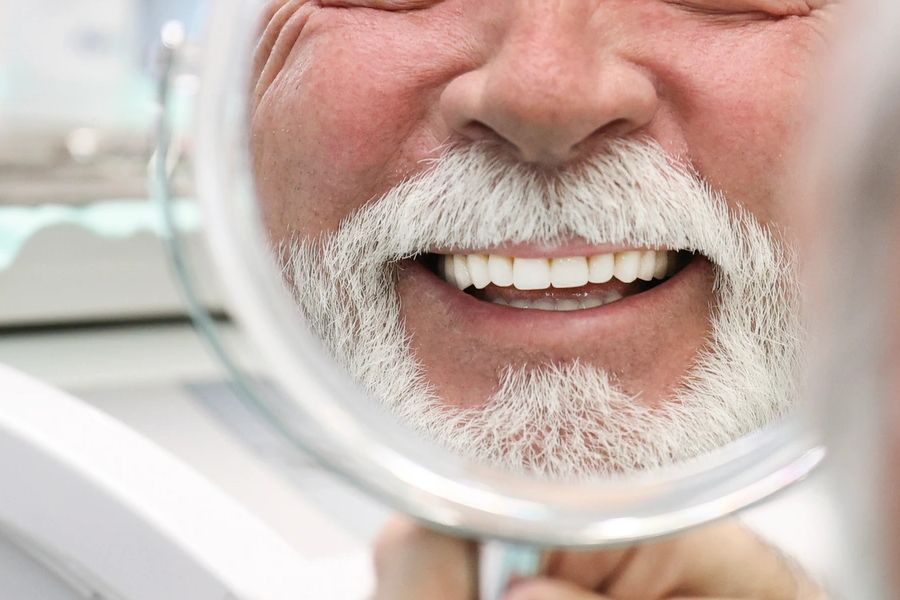
What it includes
Every full mouth reconstruction begins with a comprehensive examination, including 3D CBCT imaging, facial and intra-oral scans, digital implant planning and smile design. This is followed by a thorough discussion of all treatment options available to you. Once you have selected the treatment that's right for you, a detailed treatment roadmap with timing and transparent phased pricing is developed and agreed upon, before we begin.
Ten short questions, about two to three minutes. This is not a diagnosis — it simply clarifies what matters most to you and explains how we approach each of those priorities.
Choose the closest match and we will take you to the page that explains it.
This assessment is educational only and does not constitute a clinical evaluation, a diagnosis, or a determination of candidacy for any procedure.
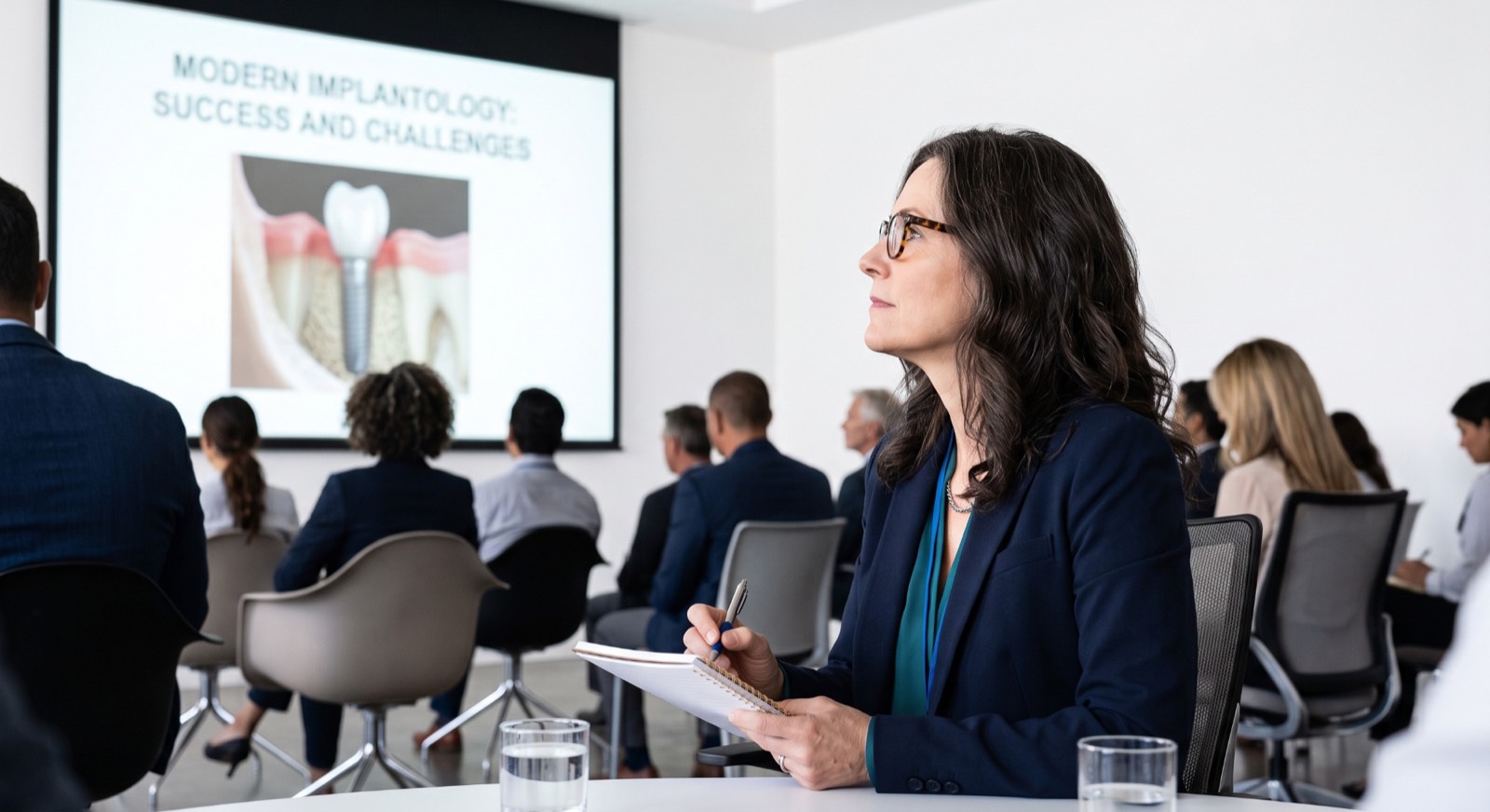
Free Dental Implant Seminar — No Obligation, No Pressure
"Everything You Need to Know About Today's Dental Implant Treatments" — held monthly at our Markham clinic.
The titanium post is designed and planned to be long-lasting, and a 2019 review of 18 studies (Howe et al.) found 96.4% of implants still in place after ten years. The crown or bridge attached to it is subject to normal wear and may need replacing in time — replacing a crown does not mean replacing the implant beneath it. Longevity depends most on bone quality, oral hygiene and regular maintenance.
Source: Howe M-S, Keys W, Richards D. “Long-term (10-year) dental implant survival: a systematic review and sensitivity meta-analysis.” Journal of Dentistry 2019;84:9–21.
The area is fully numbed with local anaesthetic, and most patients report the placement itself as easier than they expected — a single implant is usually placed in under an hour. Sedation is available at every level, from nitrous oxide through to IV sedation with Dr. Stephen Ing, our dental anaesthesiologist. Discomfort afterwards is usually managed with ordinary painkillers.
A single implant — post, abutment and custom crown — typically ranges from $3,500 to $6,000. Full-arch treatment ranges from $18,000 to $25,000 per arch for All-on-4 and $24,000 to $36,000 per arch for All-on-6. Bone grafting or a sinus lift, where needed, is quoted separately. You receive a written, itemised estimate after your 3D scan, before any treatment begins.
Coverage varies considerably between plans. Many cover part of the restoration even where they exclude the surgical placement, and annual maximums often mean treatment is best staged across two benefit years. Our coordinators will check your plan and tell you what it is likely to pay before you commit to anything.
Brush and floss as you would natural teeth, with particular attention where the restoration meets the gum. Interdental brushes or a water flosser help around full-arch work. Regular professional maintenance matters more with implants than with natural teeth, because the early signs of peri-implantitis are usually painless and easiest to treat when caught at a routine review.
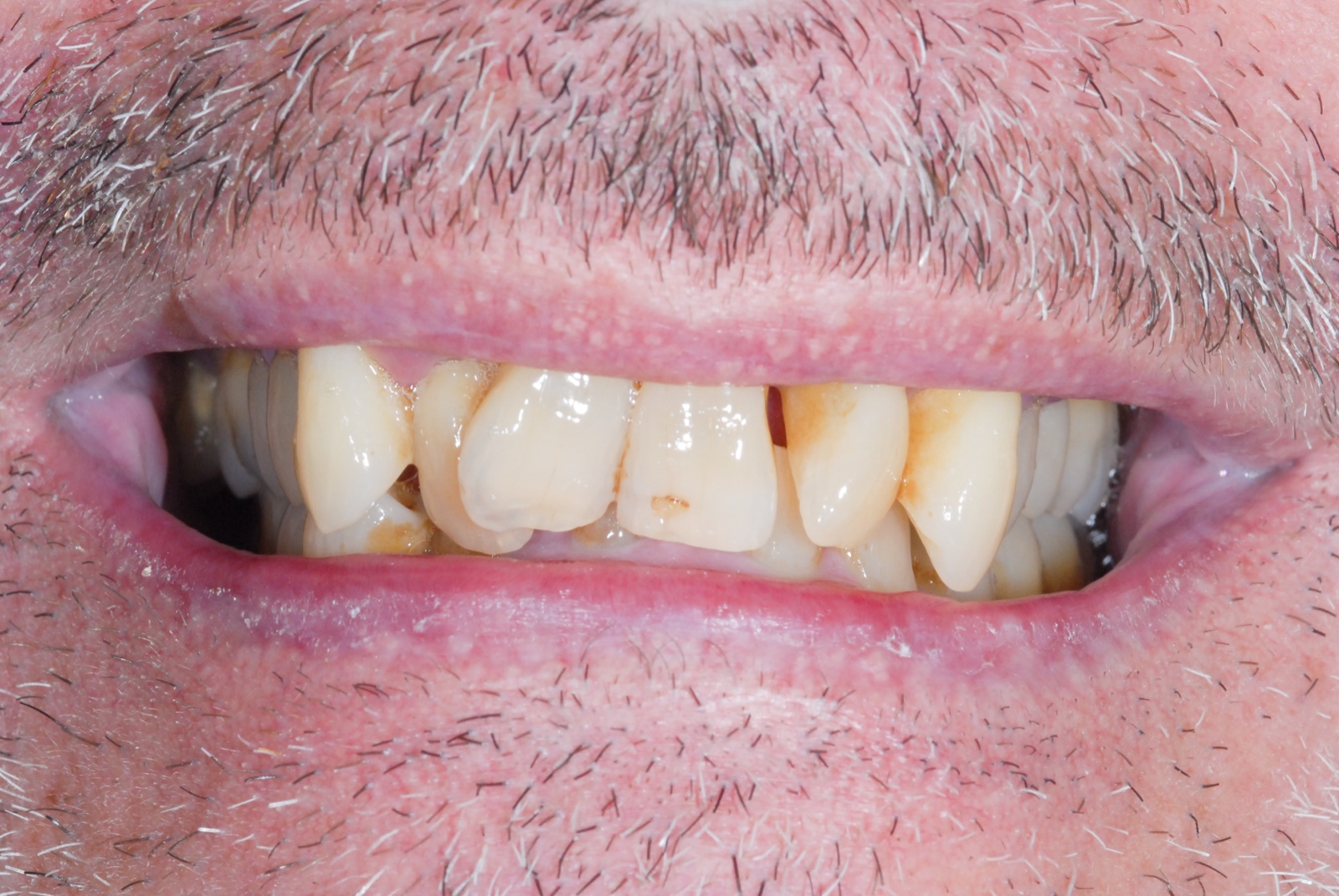
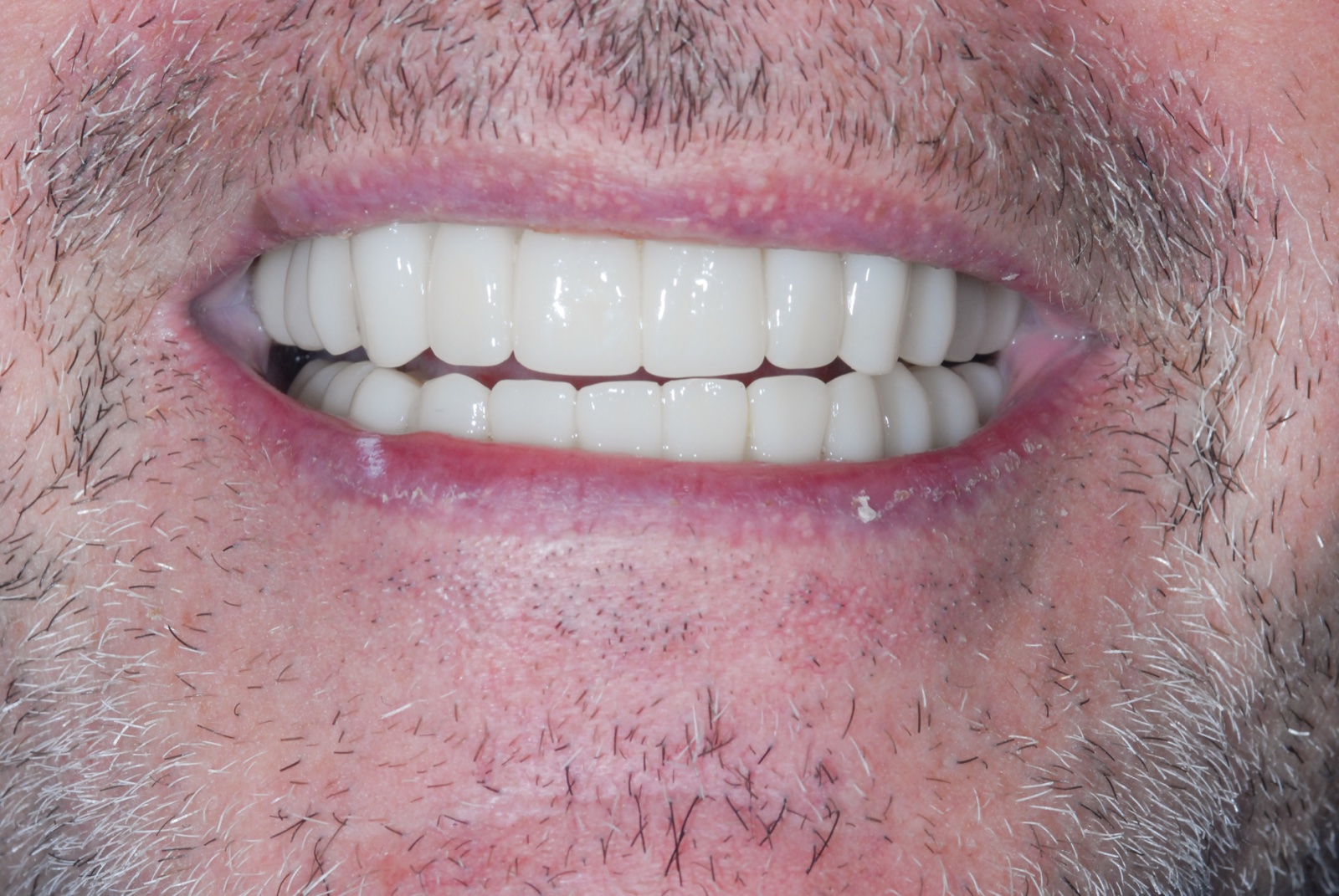
Three of our own patients. Individual results vary.
Upper and lower arches on All-on-6 implants
Heavily decayed and discoloured teeth replaced with fixed restorations carried on six implants in each arch, rebuilt to an even shade and alignment.
Full Mouth Rehabilitation using Four unit implant bridge; Crowns on remaining teeth
Two implants supporting a four-unit bridge at the front, with crowns on the remaining teeth to complete a full-mouth rehabilitation.
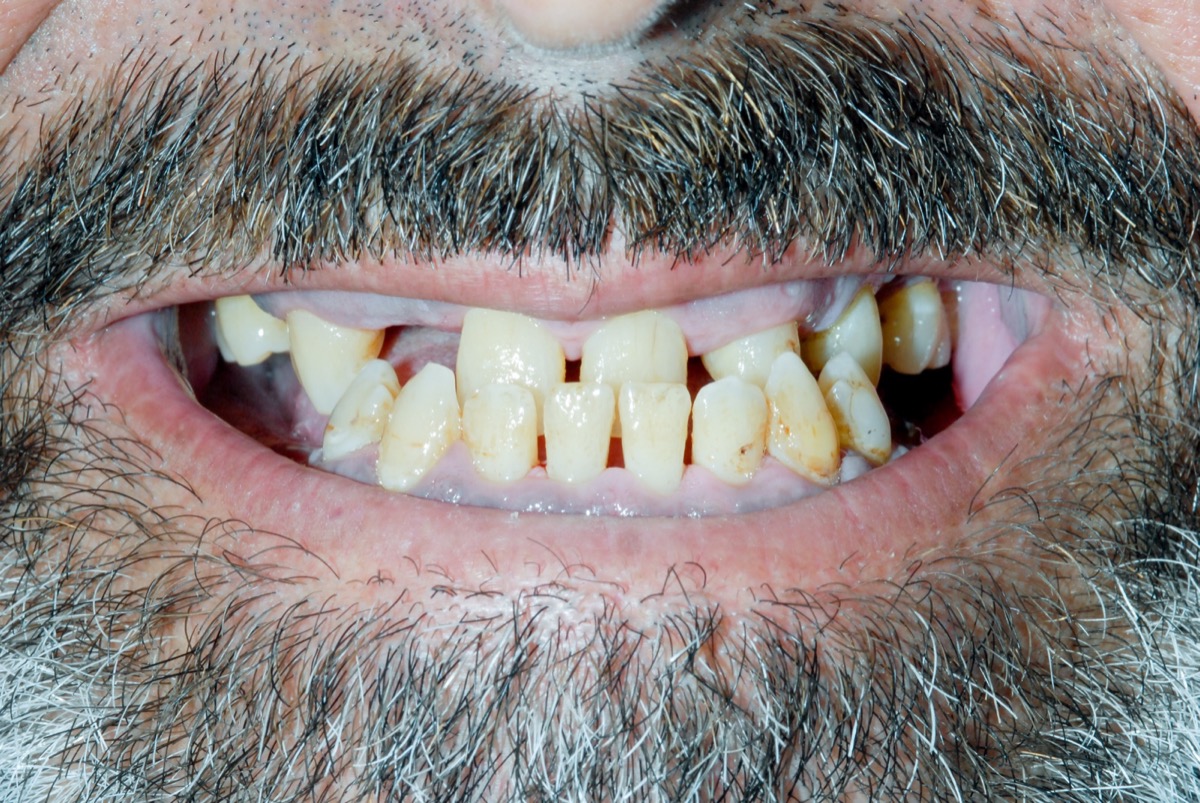
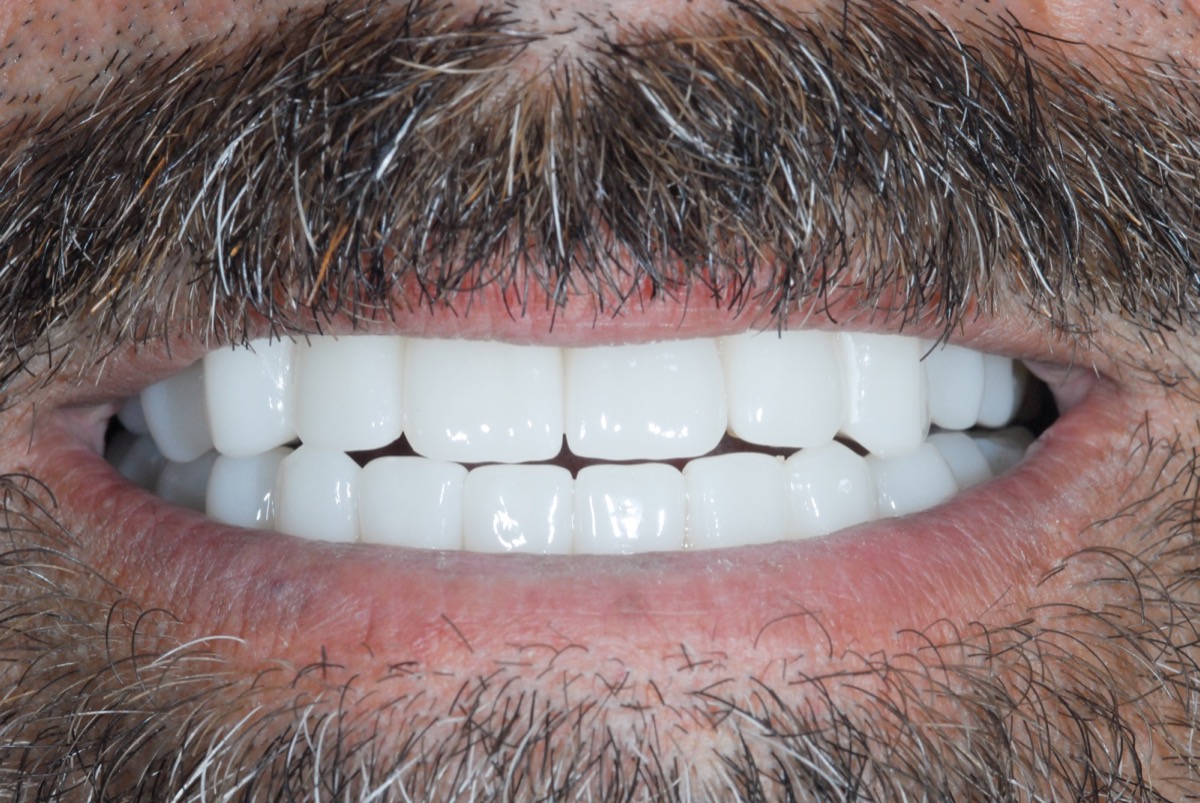
Upper and lower all-on-6 implant-supported restorations
A complete full-arch rehabilitation, restoring chewing ability and improving aesthetics using upper and lower all-on-six implant solutions
Request a complimentary implant consultation and find out if dental implants are right for you. Thousands of dental implants placed by our team since 1985.