
Full Mouth Restoration on All-on-6 Implants
Upper and lower arches on All-on-6 implants
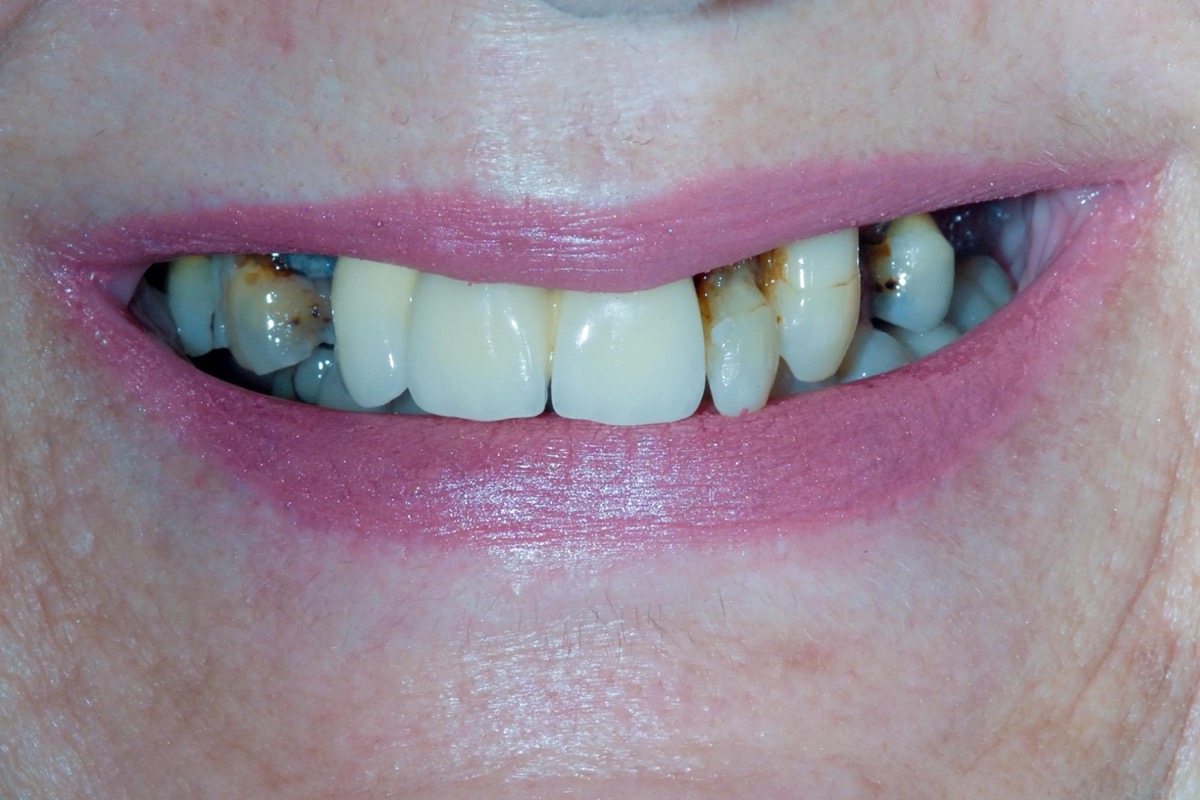
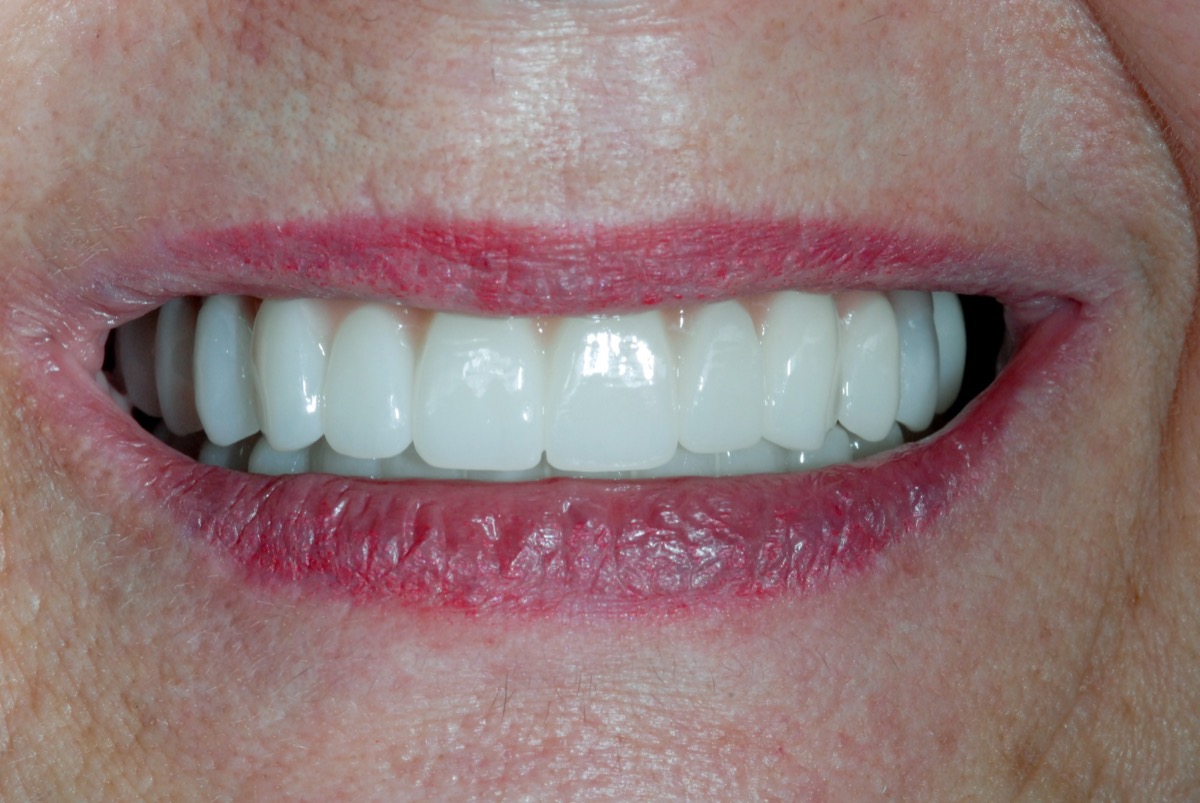
Heavily decayed and discoloured teeth replaced with fixed restorations carried on six implants in each arch, rebuilt to an even shade and alignment.
3D CBCT imaging and computer-guided surgical stents let us decide each implant position before surgery begins, and then follow that plan in the mouth rather than judging it freehand.
Request an Implant Consultation
Complimentary · No obligation · Markham office
Traditional implant placement relies on the surgeon's judgement and two-dimensional X-rays. Computer-guided surgery uses a full 3D CBCT scan of your jaw to create a virtual surgical plan — mapping the exact angle, depth, and position of each implant before a single incision is made.
A custom surgical stent is then fabricated from that plan. During surgery, the stent guides the drill to the pre-planned position with precision that freehand technique cannot replicate. The result is less bone removal, reduced swelling, and a faster return to normal activity.
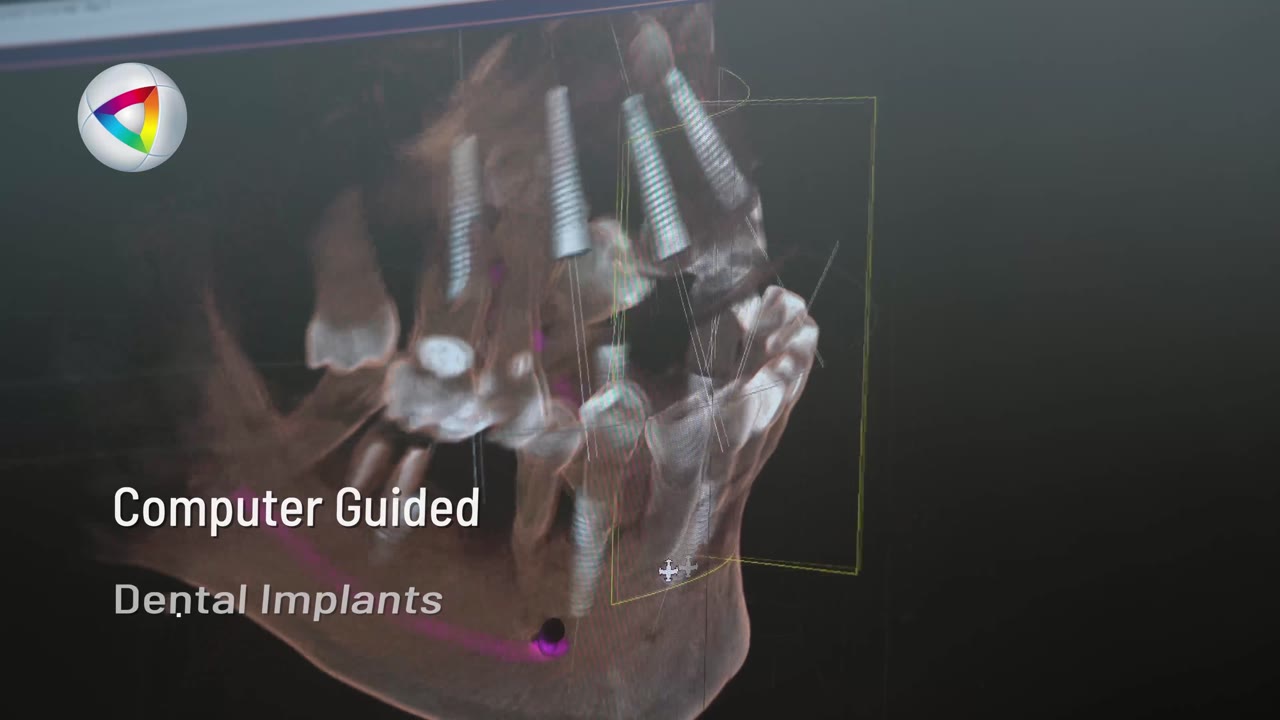
Dr. Singh and the team walk through how a guided case is planned and placed, in under four minutes. The video is hosted on YouTube; nothing is requested from YouTube until you press play. Watch it on YouTube instead.
The surgical stent transfers the virtual plan directly to your jaw, placing implants within fractions of a millimetre of the planned position.
Precise planning means less bone needs to be removed and, in many cases, no sutures are required — reducing post-operative discomfort.
Most people can be treated without lifting a flap of gum, which means less swelling and less pain in the first few days. The bone still takes the same time to heal.
3D mapping identifies nerves, sinuses, and blood vessels before surgery, allowing the team to plan a safe path around them.
When the implant is placed exactly where planned, the crown fits precisely and long-term bone integration is more reliable.
Guided placement is often required for same-day or immediate-load protocols, where the temporary crown is attached the same day as surgery.
We checked that experience against published studies, including large reviews that pooled dozens of trials. Here is what they show, and where the evidence is still limited.
Reviews of randomized trials find that guided placement puts implants much closer to the planned position than freehand placement. The angle is typically within about 3 degrees of the plan with a guide, compared with 7 to 10 degrees by hand, and the tip of the implant lands about 1 mm closer to where it was planned. In one trial, every implant placed with full guidance could be restored with the planned screw-retained crown, which is easier to maintain, compared with about four in five placed freehand.
Because we know exactly where the implant will go, many patients can be treated without lifting a flap of gum. In studies, this “flapless” approach shortened surgery by about 24 minutes in full-arch cases and meant less pain and fewer pain tablets in the first few days. This benefit comes from avoiding the cut; the guide is what makes that safe to do.
Most patients treated this way report less pain and use fewer pain pills in the first one to three days than patients who have conventional flap surgery. After that, the two approaches are similar. The bone still needs the same time to heal around the implant, so your overall treatment timeline does not change.
With no cut and no flap, bleeding during and after the procedure is usually minimal, and most patients have less swelling. These findings come from smaller studies and vary from person to person.
Studies have not shown that guided surgery changes the chance of infection. We take the same care to prevent infection with every approach.
In published studies of guided full-arch treatment, about 97 in 100 implants were still working after one year, and 94 to 98 in 100 after five to ten years — similar to implants placed with conventional surgery. Guided surgery changes how the procedure feels, not how long implants last.
The figures above come from peer-reviewed systematic reviews and randomized trials published between 2010 and 2025. The full references are available on request.
Three of our own patients, photographed before treatment and again once their implant restorations were in place, and shared with their written consent. Every mouth is different, and individual results vary.
Upper and lower arches on All-on-6 implants
Heavily decayed and discoloured teeth replaced with fixed restorations carried on six implants in each arch, rebuilt to an even shade and alignment.
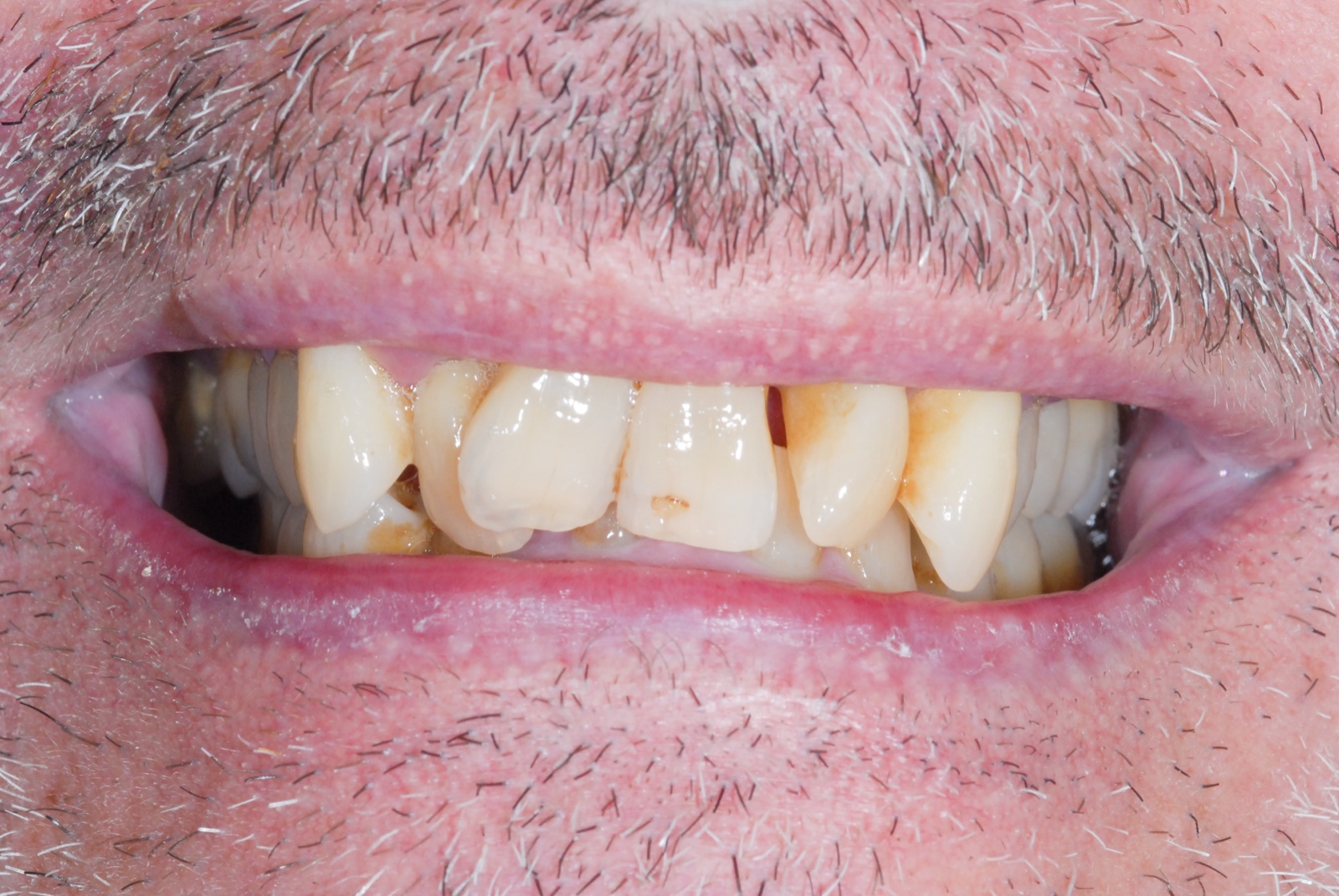
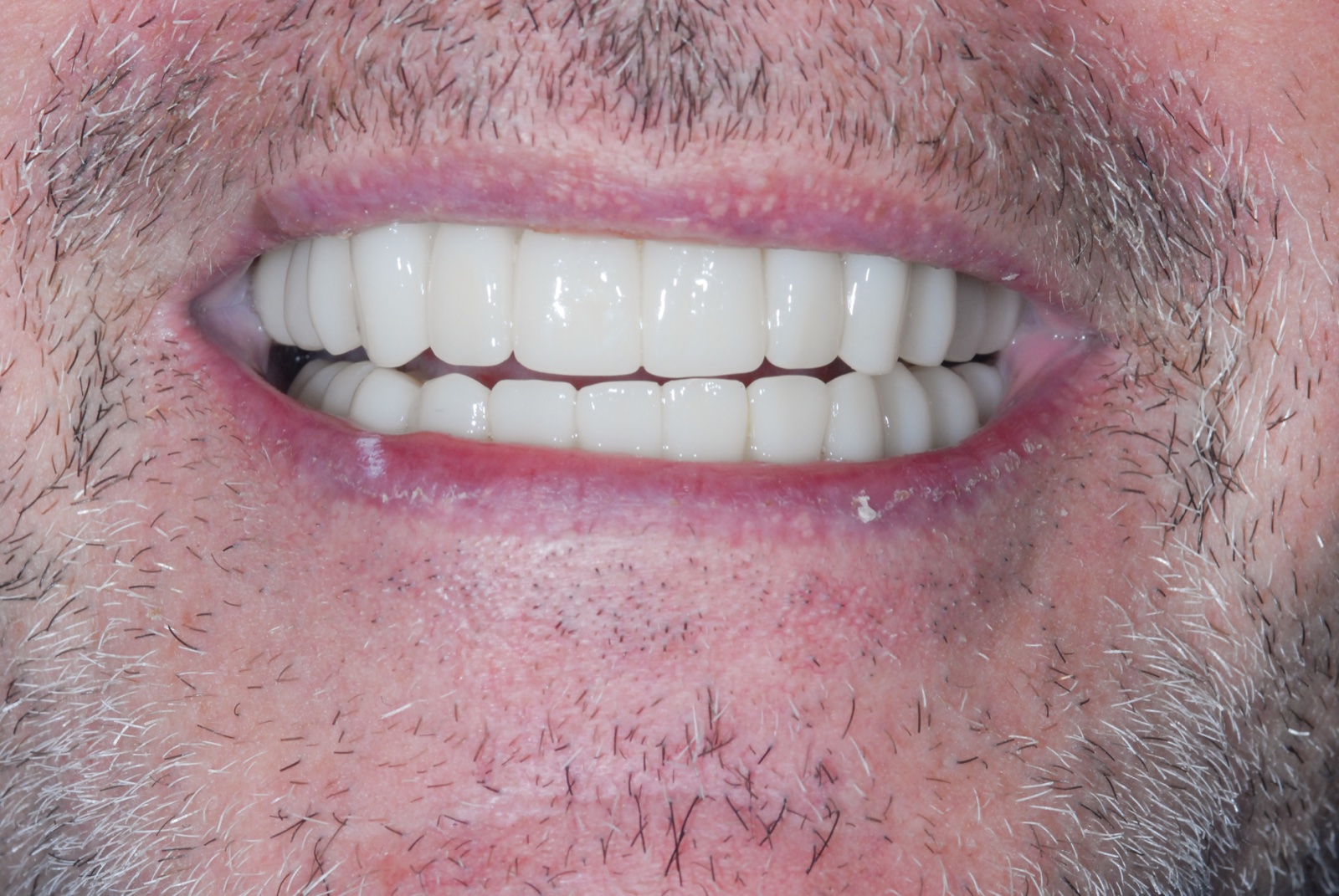
Four-unit implant bridge, with crowns on the remaining teeth
Two implants supporting a four-unit bridge at the front, with crowns on the remaining teeth to complete a full-mouth rehabilitation.
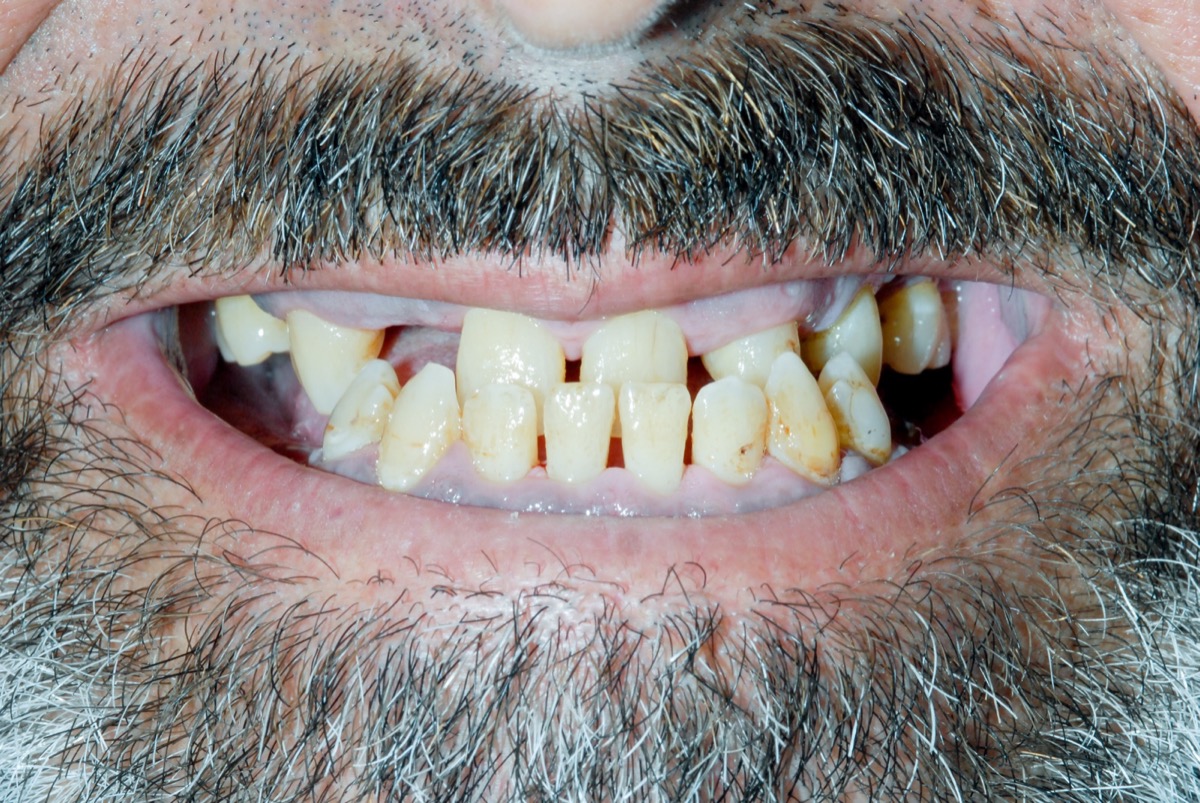
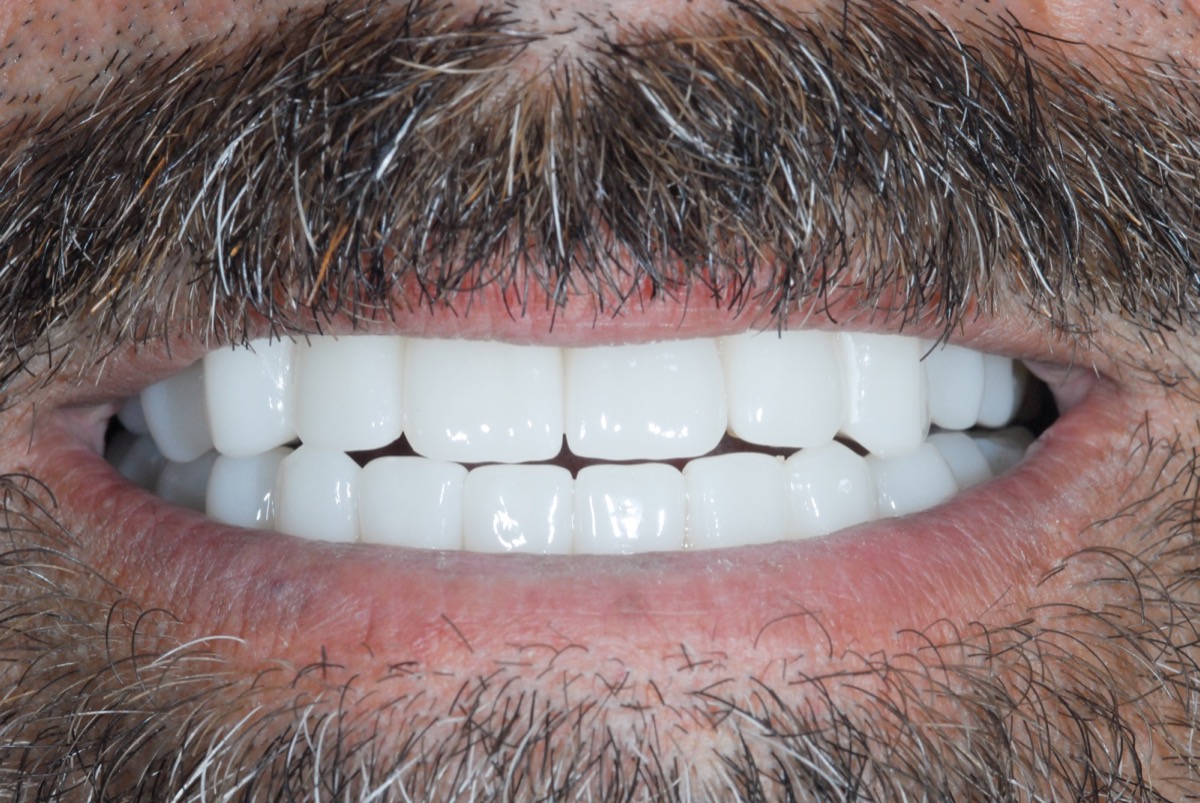
Upper and lower All-on-6 implant-supported restorations
A complete full-arch rehabilitation, restoring chewing ability and improving aesthetics with upper and lower All-on-6 solutions.
A cone-beam CT scan captures a full 3D image of your jaw, teeth, bone density, and anatomy in under a minute.
Our team uses specialist software to plan the exact position, angle, and depth of each implant in three dimensions.
A custom-fit surgical guide is produced from the virtual plan, ensuring the drill follows the planned path precisely during surgery.
The stent is seated over your teeth or gums during surgery. The implant is placed through the guide to the pre-planned position.
Guided surgery involves additional planning time and stent fabrication, which may add to the overall cost. However, the improved accuracy reduces the risk of complications and revision procedures, which can offset the difference. Your itemised quote will include all components.
Not necessarily. Guided surgery is most beneficial for complex cases — multiple implants, limited bone, proximity to nerves or sinuses, or same-day teeth protocols. Your surgeon will recommend the approach best suited to your anatomy.
Yes. Local anaesthetic is used for all implant placements. IV sedation is also available for patients who prefer to be deeply relaxed throughout the procedure.
Most patients experience mild swelling and tenderness for 2–4 days. Because guided surgery is minimally invasive, recovery is typically shorter than with conventional freehand placement.
In many cases, yes. Guided placement is a prerequisite for immediate-load protocols where a temporary fixed bridge is attached the same day as implant surgery. Candidacy depends on bone quality and the number of implants placed.
Our team will review your 3D CBCT scan and explain whether computer-guided surgery is right for your case — with no obligation.
4792 Highway 7 E, Markham, ON L3R 1M8
Request an Implant Consultation
Complimentary · No obligation · Markham office