Surface staining and internal discolouration are different problems with different solutions — and getting that distinction right determines whether whitening works for you.
Sits on the outside of the enamel, accumulated from coffee, tea, red wine, and tobacco. Responds well to professional cleaning and whitening.
Intrinsic — Internal Discolouration
Sits within the tooth structure, from trauma, certain medications such as tetracycline taken during development, excess fluoride, or simply the natural yellowing of dentine with age. Responds poorly or not at all to bleaching.
Treatment options
Professional Whitening
Fast and effective for extrinsic staining and mild intrinsic discolouration, with results lasting months to years depending on your habits and whether you maintain with take-home trays.
Porcelain Veneers
A long-lasting solution for severe discolouration that resists whitening — particularly tetracycline staining and single dark teeth following trauma. Lasts ten to fifteen years and beyond.
Composite Bonding
A more conservative and less expensive option for isolated discoloured spots or individual teeth, though composite itself picks up stain over time.
Why some teeth do not whiten
A single dark tooth following an old injury is discoloured from the inside, usually because the nerve died. External bleaching does very little; internal bleaching after root canal treatment, or a veneer or crown, is what works.
Existing dental work is another consideration. Crowns, veneers, and composite fillings do not change colour when you whiten. If you have restorations in the smile zone, whiten first and then replace them to match — doing it the other way round leaves you with mismatched teeth.
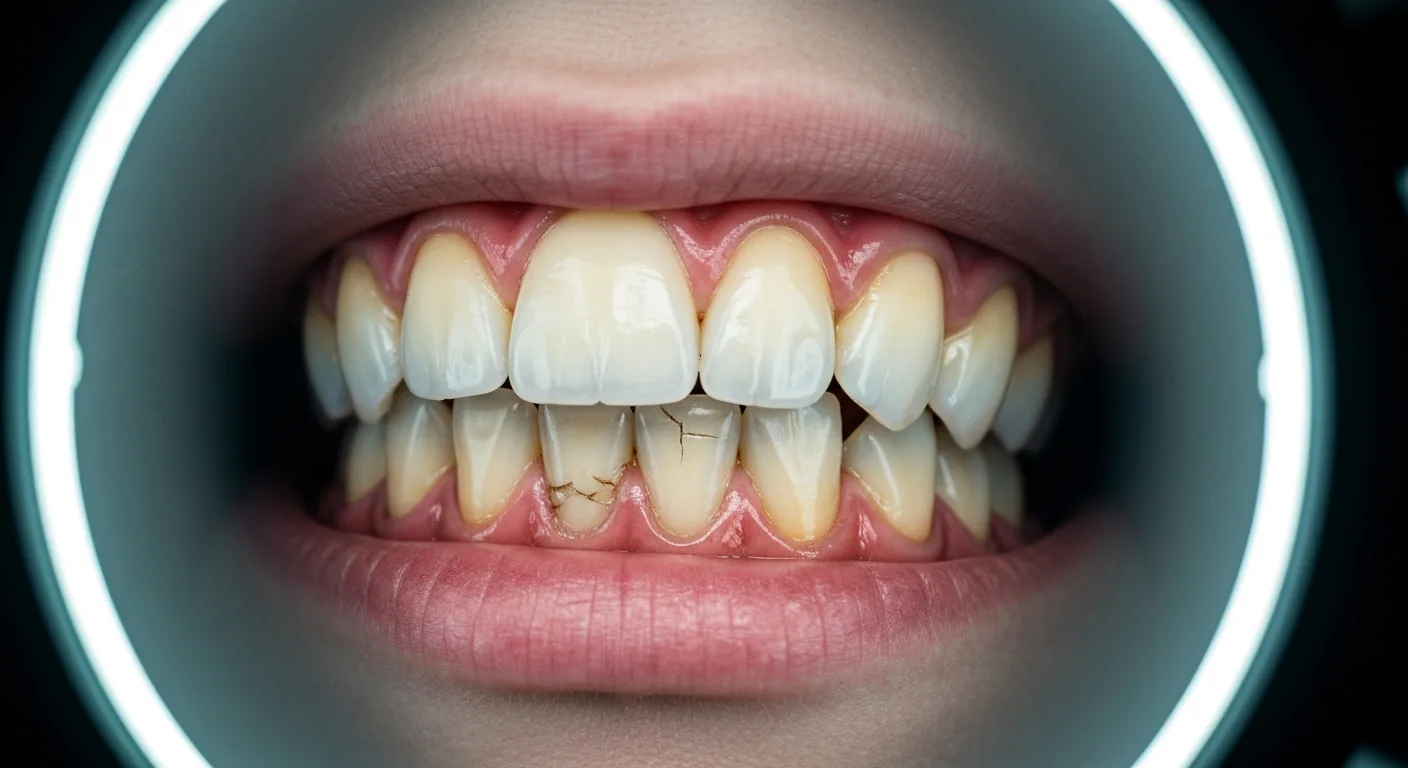
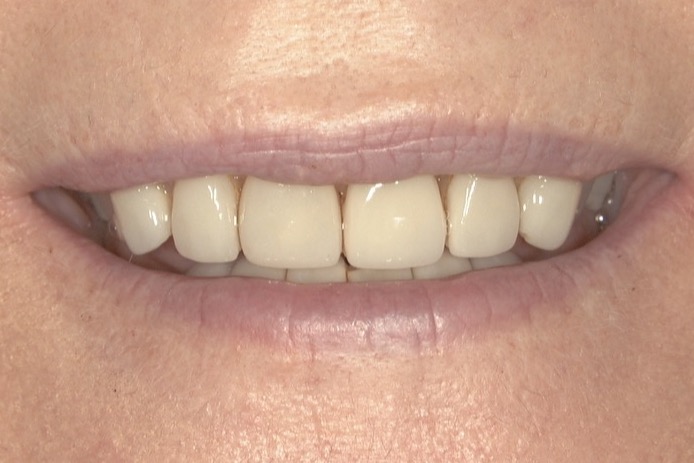
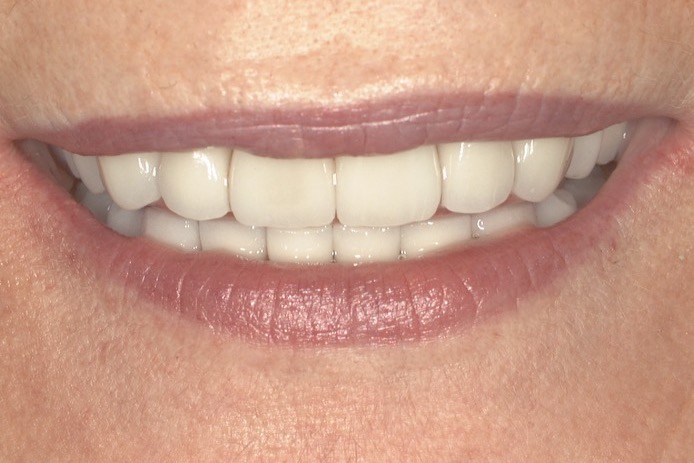
Both of these patients had discolouration that whitening alone could not lift. Individual results vary.
Before
After
Full Mouth Rehabilitation with Crowns and Veneers
Upper & Lower Arches — no implants
Porcelain crowns and veneers across both arches, rebuilding teeth that had worn down over years. Restoring the height of the bite returns comfortable function and supports the proportions of the lower face.
Before
After
Eight Veneers and Two Crowns
Upper arch
Eight porcelain veneers and two crowns across the upper arch, evening out shade, length and alignment while keeping the lower teeth as they were.