All-on-4 vs All-on-6: Which Full-Arch Implant Is Right for You?
If four implants can hold a full set of teeth, why would anyone recommend six? It is a fair question, and one we are asked most weeks. Usually it comes from someone who has already had a difficult few years — teeth that have been patched and re-patched, a denture that has never really felt right, or the news that the remaining teeth in an arch cannot be saved. By the time the choice between All-on-4 and All-on-6 comes up, you have usually had enough of dental decisions.
If four implants can hold a full set of teeth, why would anyone recommend six? It is a fair question, and one we are asked most weeks. Usually it comes from someone who has already had a difficult few years — teeth that have been patched and re-patched, a denture that has never really felt right, or the news that the remaining teeth in an arch cannot be saved. By the time the choice between All-on-4 and All-on-6 comes up, you have usually had enough of dental decisions.
So this is not a sales page for one over the other. Both are good treatments. Which one suits you depends on your jaw, your bite and what you want the finished teeth to be made of — and the honest answer is that you cannot know which it is until someone has looked at a 3D scan of your jaw. What follows is what actually drives that decision, so that when you hear a recommendation you can tell whether it has been reasoned or simply reached for.
The short version
- The number in the name is the number of implants supporting one arch of teeth — four or six. Everything else about the two treatments is broadly the same.
- All-on-4 angles the back implants so they meet solid bone in front of the sinus, which often avoids the need for grafting.
- All-on-6 spreads the load across more points, which matters most if you have a heavy bite, grind your teeth, or want a zirconia bridge.
- Bone quality, not preference, usually settles it. A CBCT scan is what makes that judgement possible.
- At this practice, full-arch treatment ranges from $18,000 to $36,000 per arch. Where you land in that range depends on how many implants are placed and what is restored on top of them.
What the numbers actually mean
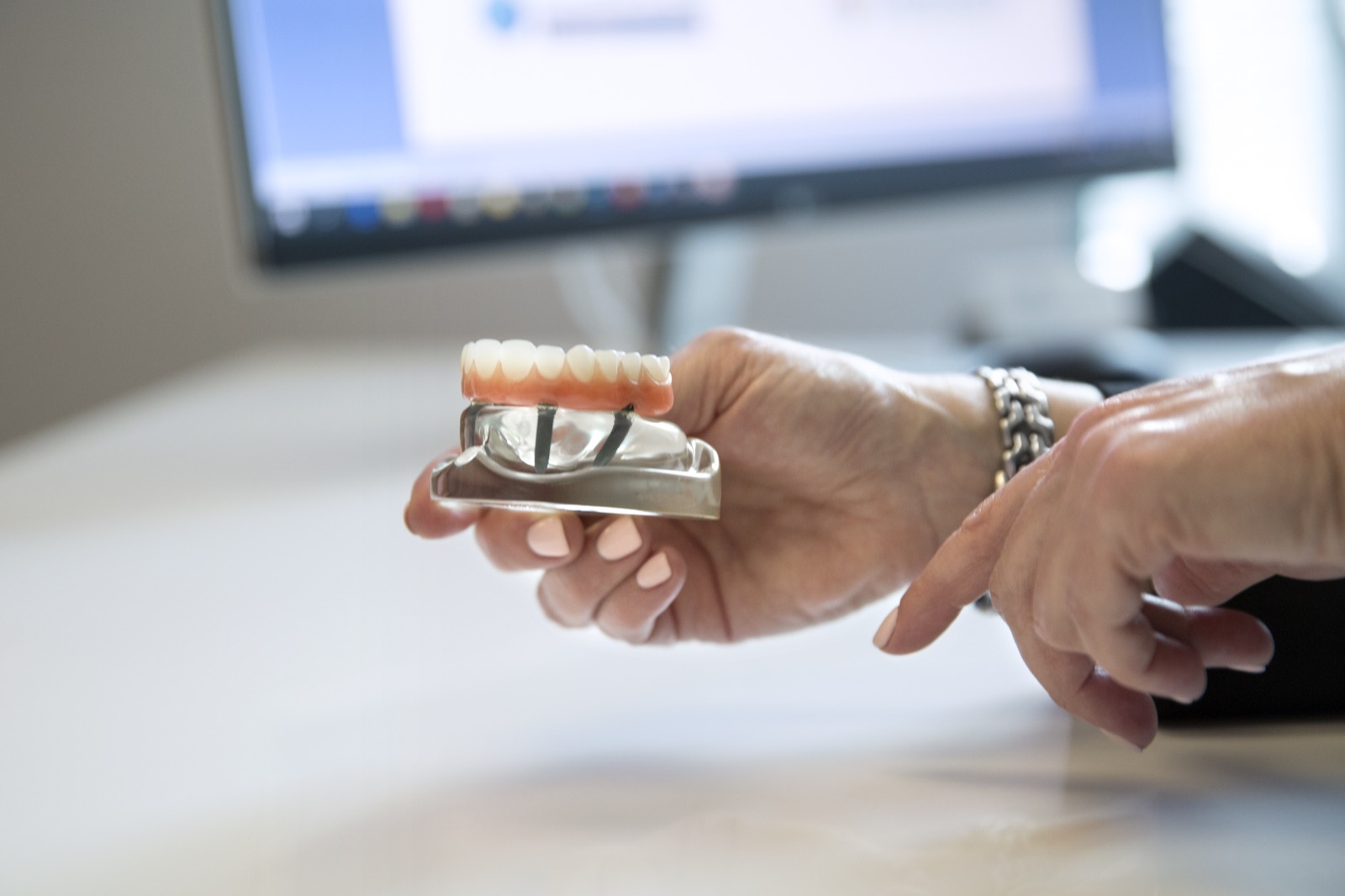
Both treatments replace every tooth in an arch with a single fixed bridge, anchored to titanium implants placed in the jaw. The bridge does not come out. You clean around it rather than soaking it overnight, and it does not move when you eat or speak. That is the point of both approaches, and it is the part most people care about.
The difference is how many anchors carry it. All-on-4 uses four. All-on-6 uses six. That is genuinely the whole distinction — the surgical principles, the materials and the healing are the same.
Implants work because bone grows directly onto titanium, a process called osseointegration. It takes a few months, and it is why the timeline for this treatment is measured in months rather than weeks. Once it has happened, the implant behaves like a root: it stays put, and it gives the bone around it something to do. Jawbone that has no tooth roots in it gradually shrinks, which is the reason long-term denture wearers often notice their lower face changing shape. Implants slow that down.
Why the back implants are tilted in All-on-4
In the upper jaw, the sinus sits directly above the back teeth, and the bone beneath it is often thin. In the lower jaw, a nerve runs through the bone and has to be avoided. Both limit where an implant can safely go.
All-on-4 works around this by angling the two rear implants forward, typically around 30 to 45 degrees. That does two useful things: it reaches denser bone further forward, and it lets the back of the bridge sit further back than a vertical implant in the same spot would allow. For a lot of people this is the difference between having treatment now and needing a bone graft first.
Why six is sometimes the better answer
Adding two implants spreads the forces of chewing over more points. The back of the mouth is where the hardest work happens, and two extra anchors there reduce how much any single implant has to take.
That matters in three situations in particular: if you have a strong bite, if you grind or clench, or if you want a zirconia bridge. Zirconia is harder and heavier than acrylic, looks closer to natural enamel and resists wear better — but it is unforgiving, and it is usually built on six.
Bone is usually what decides it
People tend to arrive having decided which treatment they want, having read about it. In practice the jaw decides.
When teeth are lost, the bone that held them starts to recede. How much, and where, varies enormously — it depends on how long ago the teeth went, whether there was gum disease, and simple individual variation. Two people the same age with the same missing teeth can have quite different jaws.
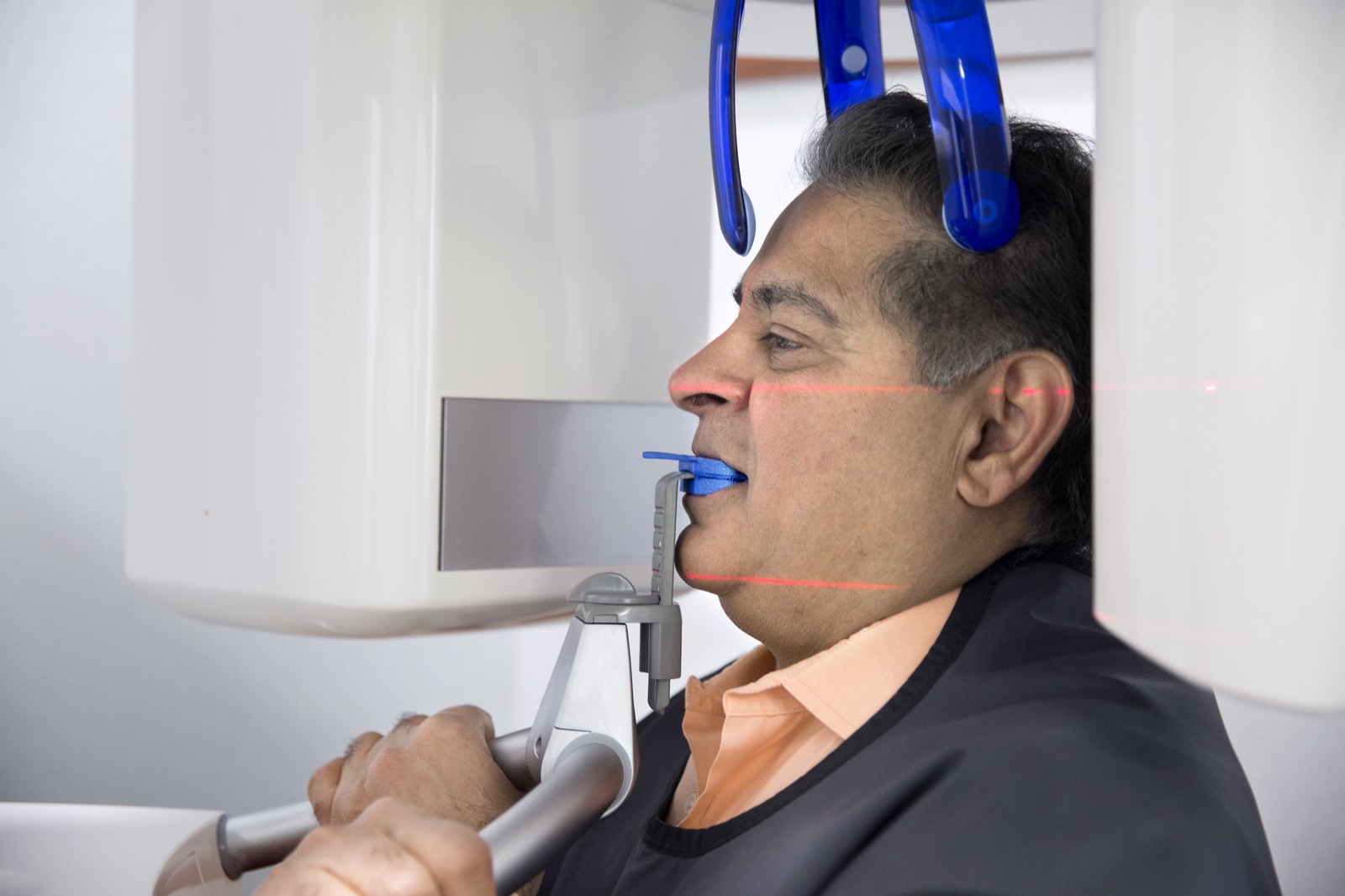
So the first appointment involves a CBCT scan, a 3D X-ray that shows bone volume and density, the position of the sinus and the path of the nerve. Until that exists, any recommendation is a guess.
Broadly: if the bone at the back is thin, the angled approach of All-on-4 may let treatment go ahead without grafting. If there is enough bone throughout, six vertical implants become straightforward and bring the advantages above. If there is very little bone anywhere, grafting or a sinus lift may be needed first — which adds months, and cost, but is routine and predictable.
On grafting
Bone grafting has a worse reputation than it deserves. It is usually a smaller procedure than people expect, done under the same sedation as the rest of the treatment. The real cost is time: bone needs months to mature before implants go into it.
It is worth saying plainly that avoiding a graft is not automatically the better outcome. If six implants with a graft will serve you better for twenty years than four without, that is the recommendation you should get.
The bridge on top matters as much as the implants
Most of the attention goes to the implants. The part you will actually live with is the bridge.
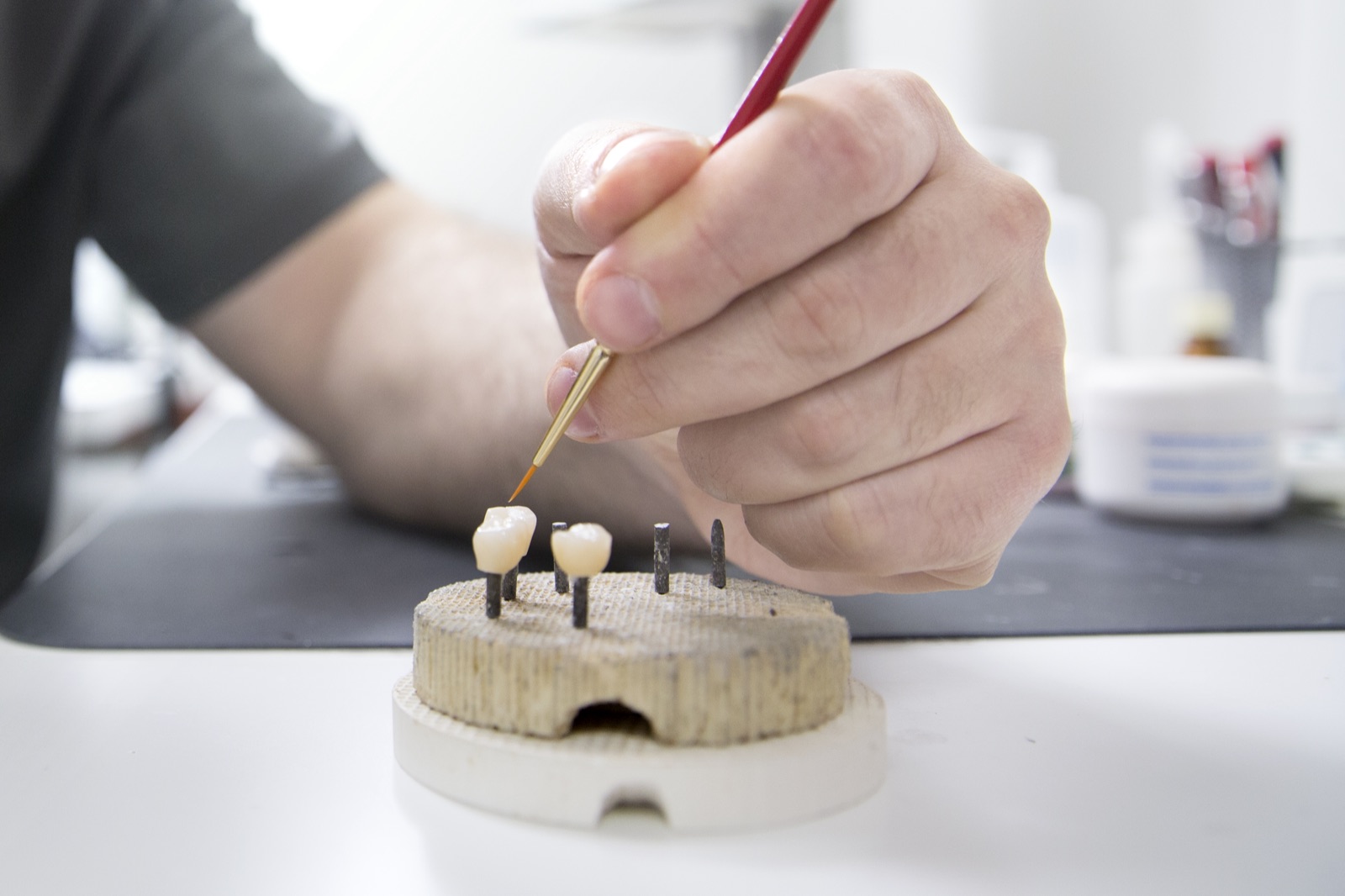
Acrylic on a titanium bar is lighter, less expensive, and kinder to the implants because it absorbs some of the shock of chewing. It wears down over the years and the teeth can stain, so it is generally expected to need replacing at some stage.
Zirconia is a solid ceramic. It resists staining and wear, and it catches the light more like natural enamel. It is also heavier and much harder, which is why it tends to be built on six implants and why it costs more.
Neither is the right answer for everyone. Someone who grinds heavily may do better with acrylic precisely because it gives slightly. Someone who wants the most natural appearance and has the bone for it will usually prefer zirconia.
What the treatment is actually like
Planning comes first: the scan, an assessment of your bite and gum health, photographs, and a digital plan that positions each implant before anything is done. From that plan a surgical guide can be made, so placement follows the plan rather than being judged freehand on the day.
Surgery is usually one appointment per arch. Remaining teeth are removed, implants are placed, and in many cases a temporary fixed bridge goes on the same day — you leave with teeth. Sedation is available, and most people remember very little of it.
The first week is the most uncomfortable: swelling, bruising, and a soft diet. Most people take a few days off. After that it settles quickly, though the diet stays soft for several weeks while the bone integrates.
The final bridge is fitted once integration is confirmed, typically three to six months later. That gap exists for a good reason — loading an implant too early is one of the few ways to lose one.
What it costs, and what drives the range
Full-arch treatment at this practice ranges from $18,000 to $36,000 per arch. That is a wide band, and it is wide for real reasons rather than vagueness.
What moves you within it:
- How many implants. Six costs more than four — more components, more surgical time.
- What the bridge is made of. Zirconia costs more than acrylic on titanium.
- Whether grafting is needed. Adds cost and months.
- How many teeth have to come out. Extractions are usually part of the same appointment, and a full arch of failing teeth is more work than a jaw that is already edentulous.
- Whether there is active infection. Abscessed teeth or established gum disease have to be resolved before implants go in. Infected bone does not integrate, so this is not a step that can be skipped or hurried.
- Sedation. IV sedation is charged by the time it is needed for.
A written estimate after the scan should itemise all of it, including the final bridge. If a quote does not say clearly whether the permanent bridge is included, ask — that is the single most common gap between a quoted figure and a final bill.
Most Canadian insurance plans treat implants as a major restorative service with an annual maximum well below the cost of full-arch treatment, so partial coverage is the usual outcome. Financing is available, and splitting treatment across two benefit years sometimes helps.
Questions worth asking whoever you see
- Why this number of implants for me specifically — what did the scan show?
- Is the final bridge included in the quoted figure?
- What is it made of, and what is the expected lifespan?
- Who places the implants and who makes the bridge, and do they work together?
- What happens if an implant does not integrate?
- What does maintenance involve, and what does it cost each year?
The last two matter more than people expect. Implants occasionally fail to integrate — it is uncommon, but it happens, and you want to know in advance who bears that. And a fixed bridge needs professional cleaning underneath it, usually a couple of times a year, for as long as you have it.
Where this leaves you
If you take one thing from this: the choice between four implants and six is a clinical judgement based on your bone, your bite and the bridge you want — not a tier of service where more is better. A practice that recommends the same configuration to everyone is not examining anyone very closely.
We have been treating patients in Markham since 1985, and full-arch work is done here under one roof — planning, surgery and the bridge itself — which means the person placing the implants and the person making the teeth are looking at the same plan.
If you are weighing this up, a consultation with a CBCT scan will tell you which approach your jaw actually supports, what it would cost, and how long it would take. You are welcome to take that away and think about it. Book a consultation whenever you are ready.
Common questions
Is All-on-6 better than All-on-4?
Neither is better in the abstract. All-on-6 distributes chewing forces over more points, which helps if you have a heavy bite or want zirconia. All-on-4 reaches solid bone at an angle, which often avoids grafting. The better treatment is the one your jaw supports, which is why the scan comes before the recommendation.
Is the All-on-6 surgery harder to recover from?
Not meaningfully. Two extra implant sites add little to the recovery, and most people describe the first week similarly either way — swelling and soreness that settles within days, managed with ordinary pain relief. Guided placement tends to reduce trauma regardless of the number.
How long will the teeth last?
The implants themselves are intended to be long-lasting, and in most people they are. The bridge is a separate question: acrylic generally needs replacing sooner than zirconia, and both depend on cleaning, your bite and whether you grind. Anyone who quotes you a precise number of years is guessing.
Will I leave with teeth on the day of surgery?
Usually, yes. A temporary fixed bridge is often placed the same day. It is not the final restoration — it is lighter, and deliberately not as strong, because the implants underneath are still integrating. The permanent bridge follows once healing is confirmed.
Can I start with four implants and add two later?
Not practically. The bridge is made to fit the exact number and position of the implants beneath it, so adding two later means new surgery and a new bridge. This is the main argument for settling the question properly at the planning stage rather than choosing on price alone.
Do I need a bone graft?
Only the scan can answer that. All-on-4 is often chosen precisely because the angled implants can avoid it. Six vertical implants ask more of the bone, so grafting is more often needed for All-on-6 — routine when it is, but it does add months.
How do I clean a fixed bridge?
A water flosser under the bridge daily, interdental brushes along the gum line, and normal brushing. It takes a few minutes and is easier than it sounds. Professional cleaning underneath the bridge, usually twice a year, is the part that protects the implants long-term.
Does insurance cover it?
Partially, at best. Most plans classify implants as major restorative work and cap annual payouts well below the cost of an arch. Extractions and imaging are sometimes covered separately. It is worth requesting a pre-determination from your insurer before starting, so you know the number rather than estimating it.

Free Dental Implant Seminar — No Obligation, No Pressure
"Everything You Need to Know About Today's Dental Implant Treatments" — held monthly at our Markham clinic.
Explore Topics
Written by
Dentistry at Vitality Health
Content creator and writer sharing insights and stories.