
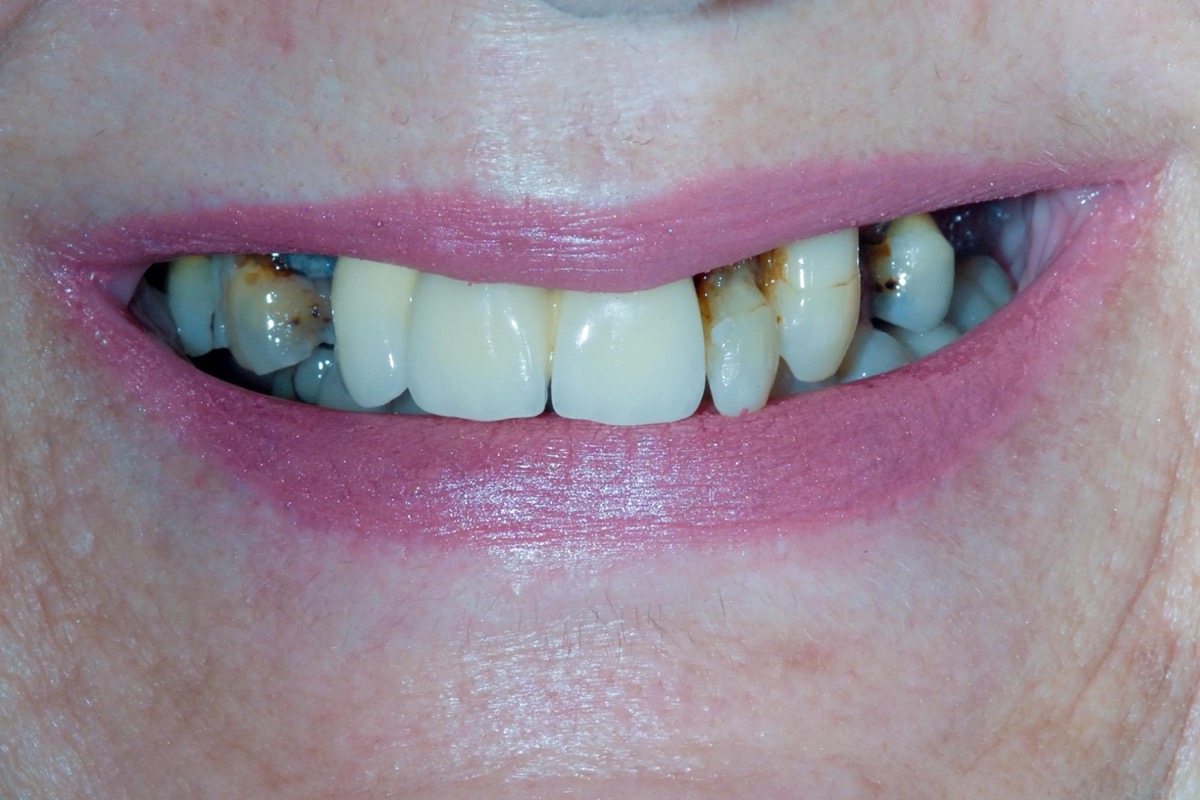
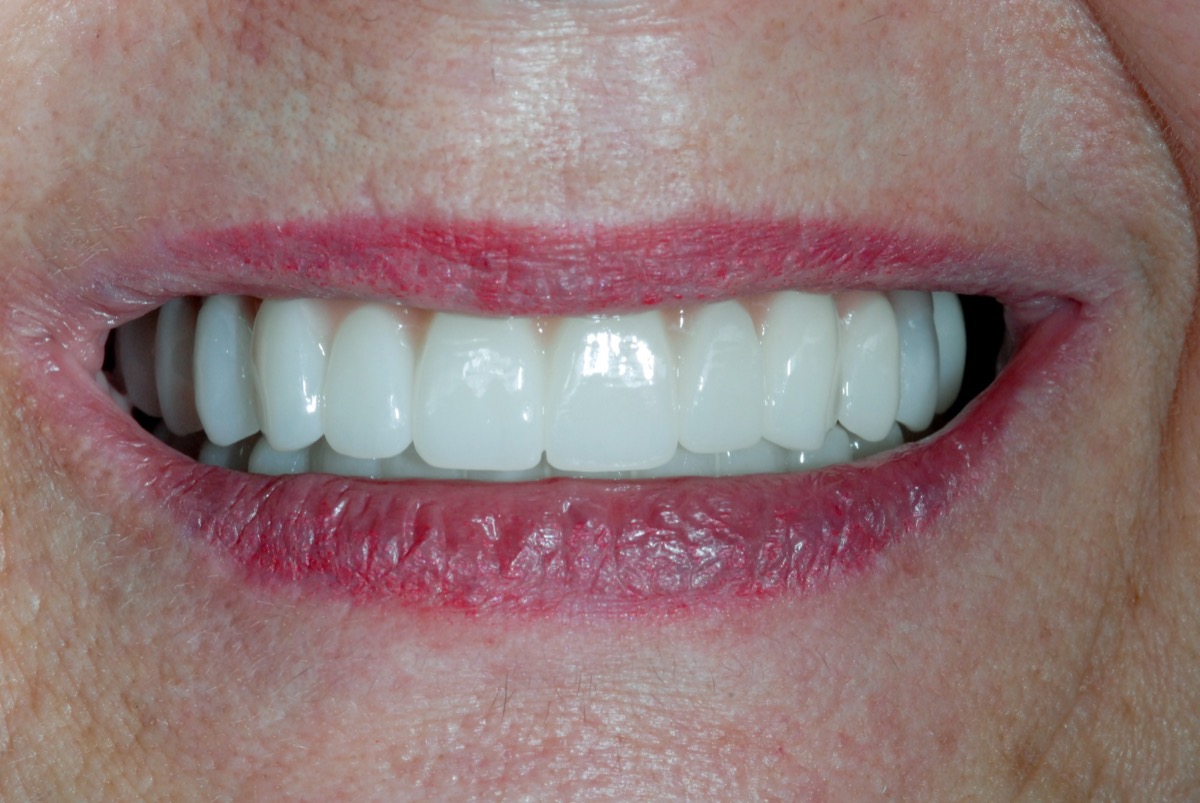
Full Mouth Restoration on All-on-6 Implants
Upper and lower arches on All-on-6 implants
Heavily decayed and discoloured teeth replaced with fixed restorations carried on six implants in each arch, rebuilt to an even shade and alignment.
Patient Results
Every case in one place — implants, veneers, crowns and full-mouth reconstruction. Filter by the treatment you are considering.
Every case shown here was treated by Dr. Raj Singh at our Markham practice. They are tagged by what was actually used rather than by what the case is called, so a smile makeover built with implant-supported crowns appears under veneers, crowns and implants alike.
That matters, because cosmetic dentistry and implant dentistry overlap more than most people expect. Individual results vary; what these cases illustrate is what the treatment is capable of, not a guarantee of any particular result.
Photographs are cropped to the smile and published only with the patient's written consent.
Upper and lower arches on All-on-6 implants
Heavily decayed and discoloured teeth replaced with fixed restorations carried on six implants in each arch, rebuilt to an even shade and alignment.
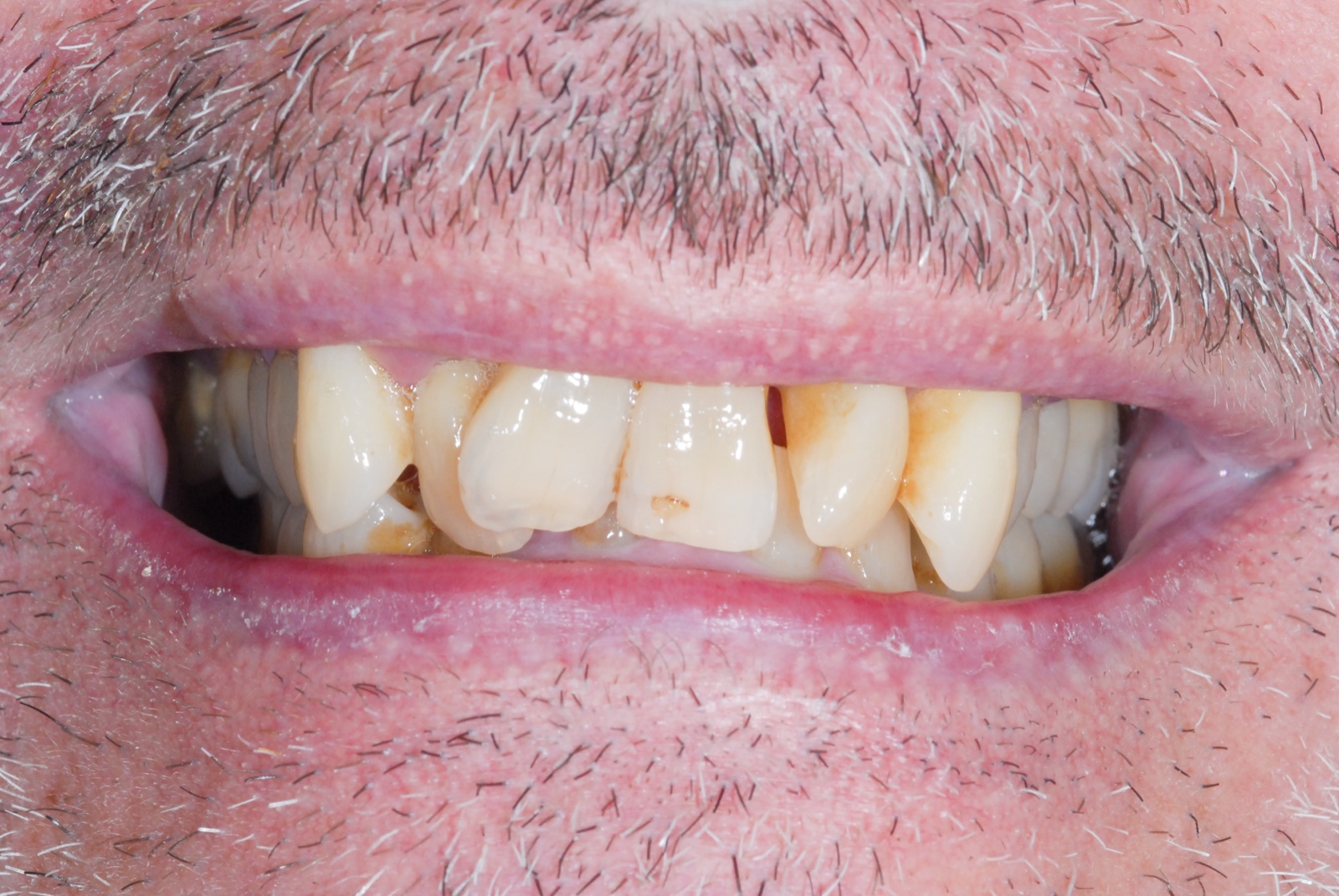
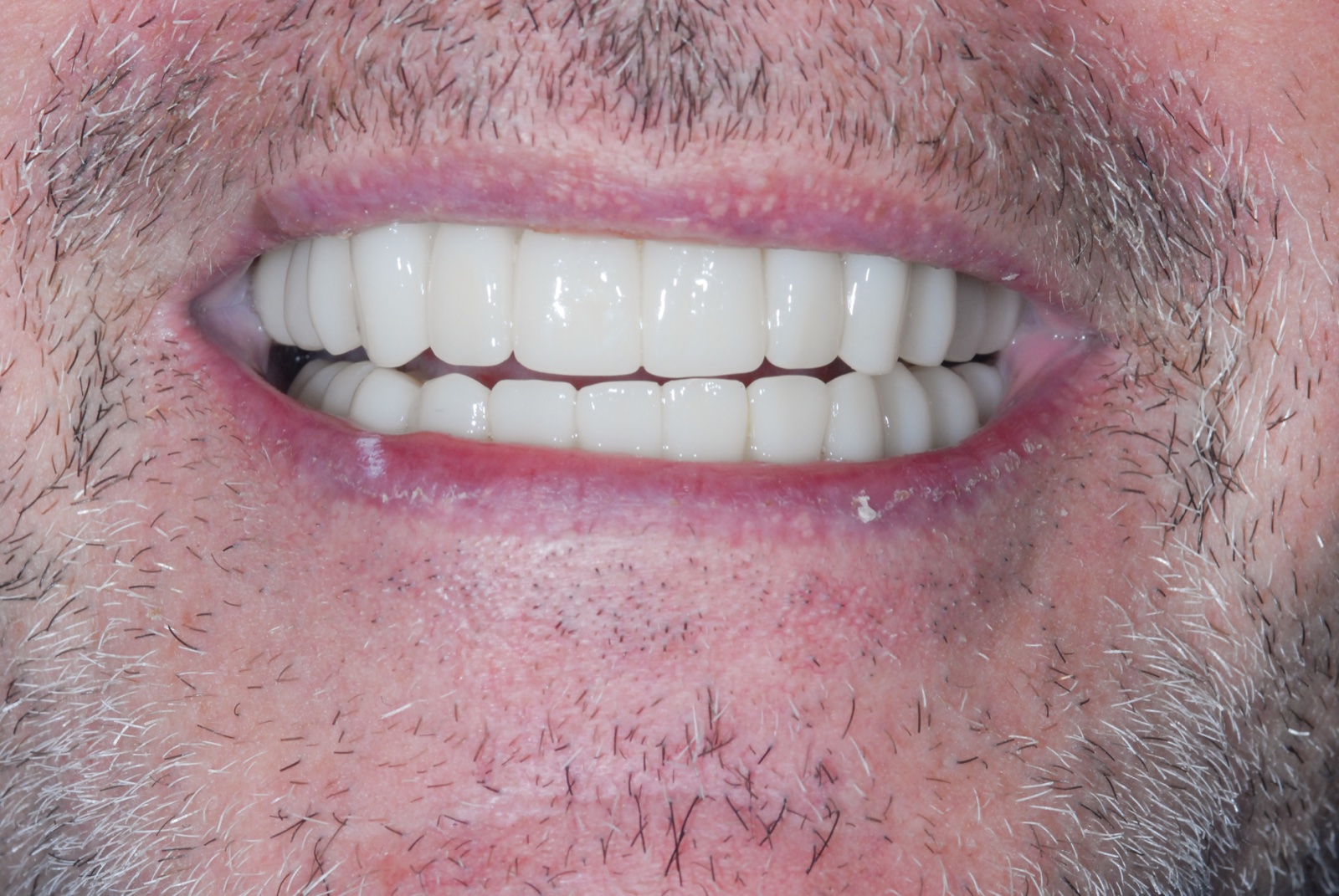
Full Mouth Rehabilitation using Four unit implant bridge; Crowns on remaining teeth
Two implants supporting a four-unit bridge at the front, with crowns on the remaining teeth to complete a full-mouth rehabilitation.
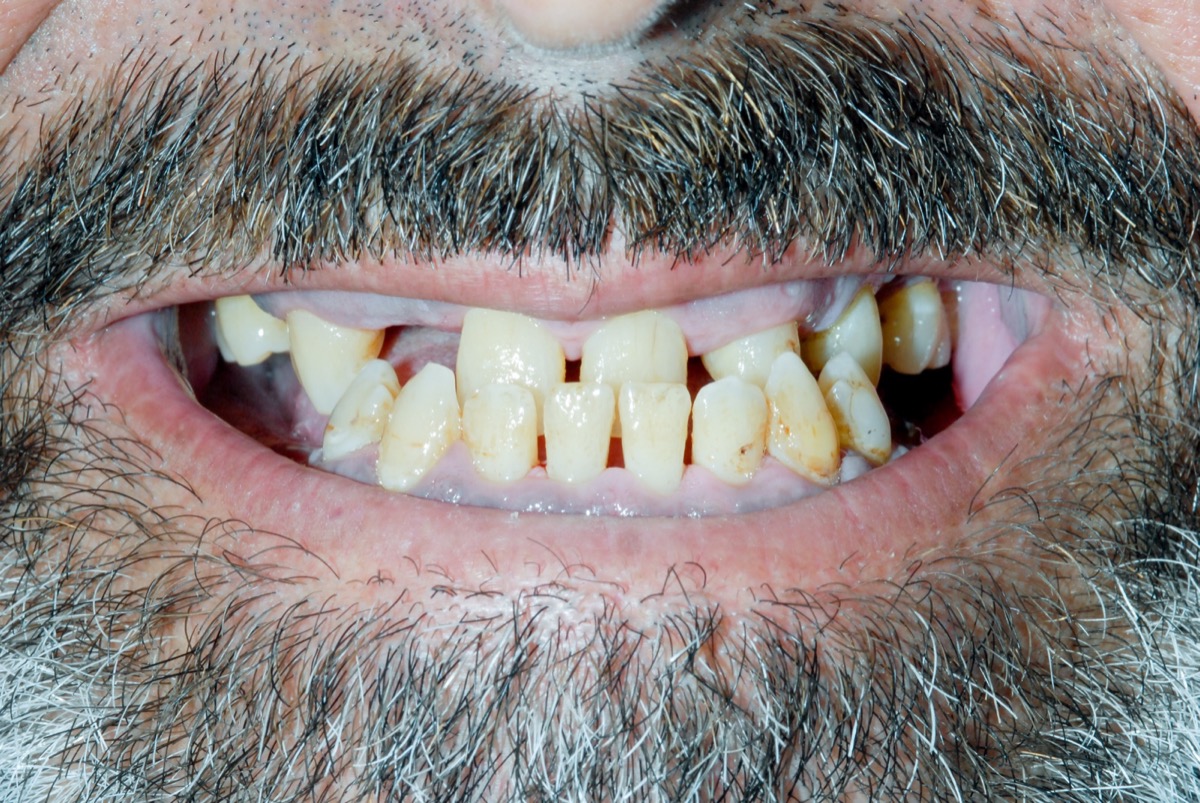
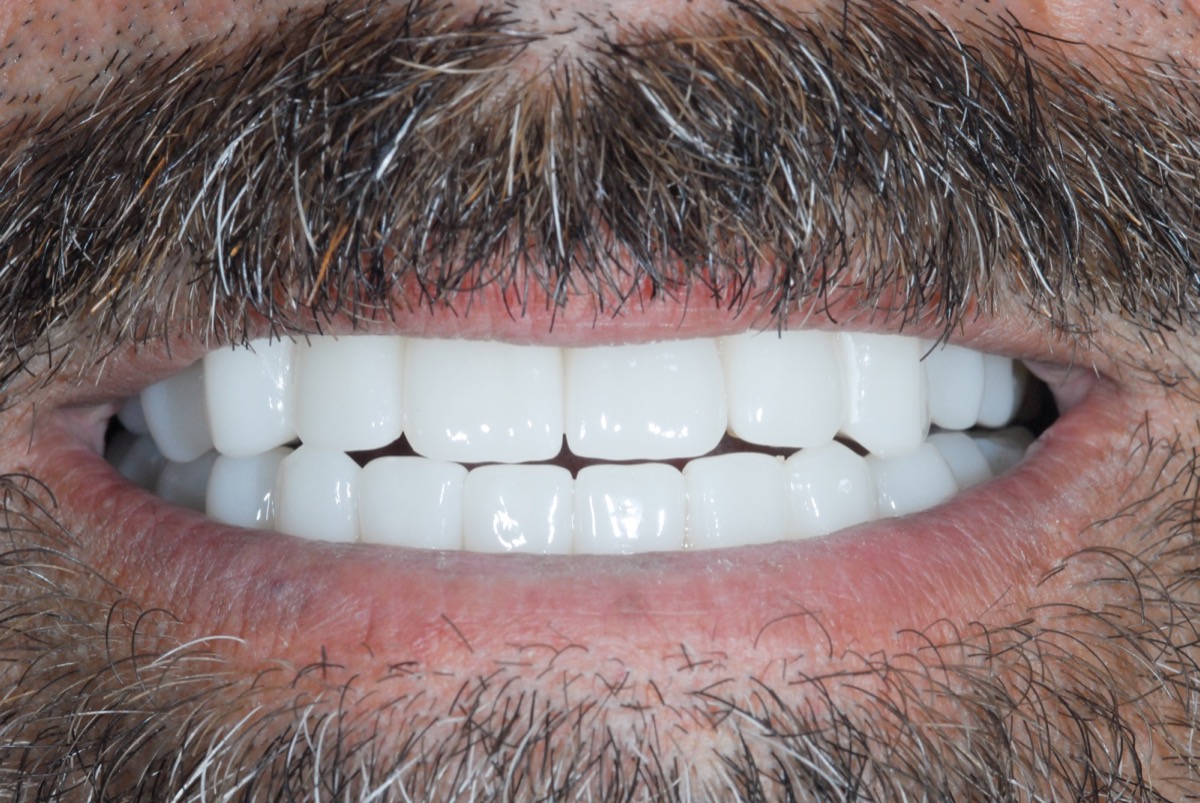
Upper and lower all-on-6 implant-supported restorations
A complete full-arch rehabilitation, restoring chewing ability and improving aesthetics using upper and lower all-on-six implant solutions
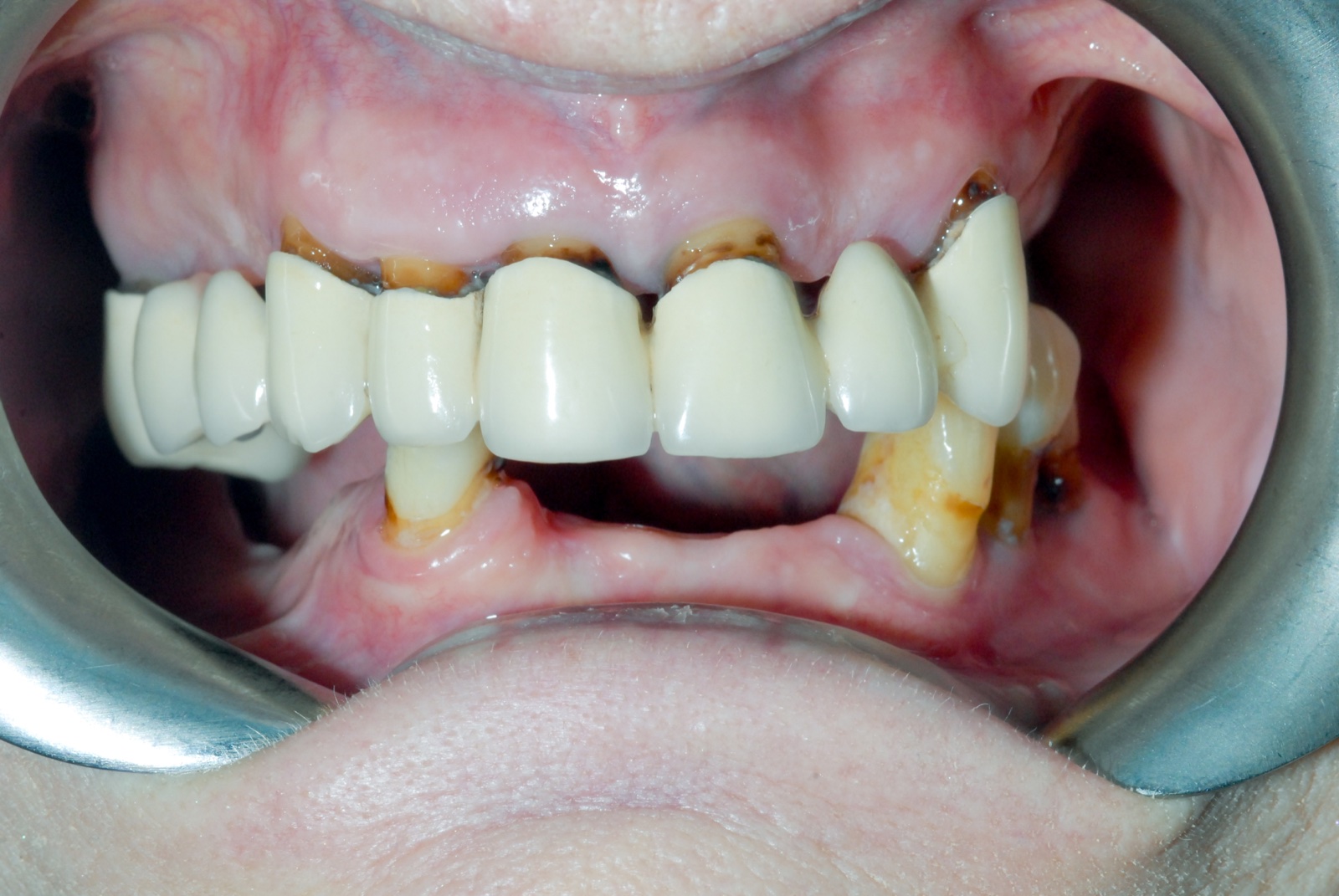
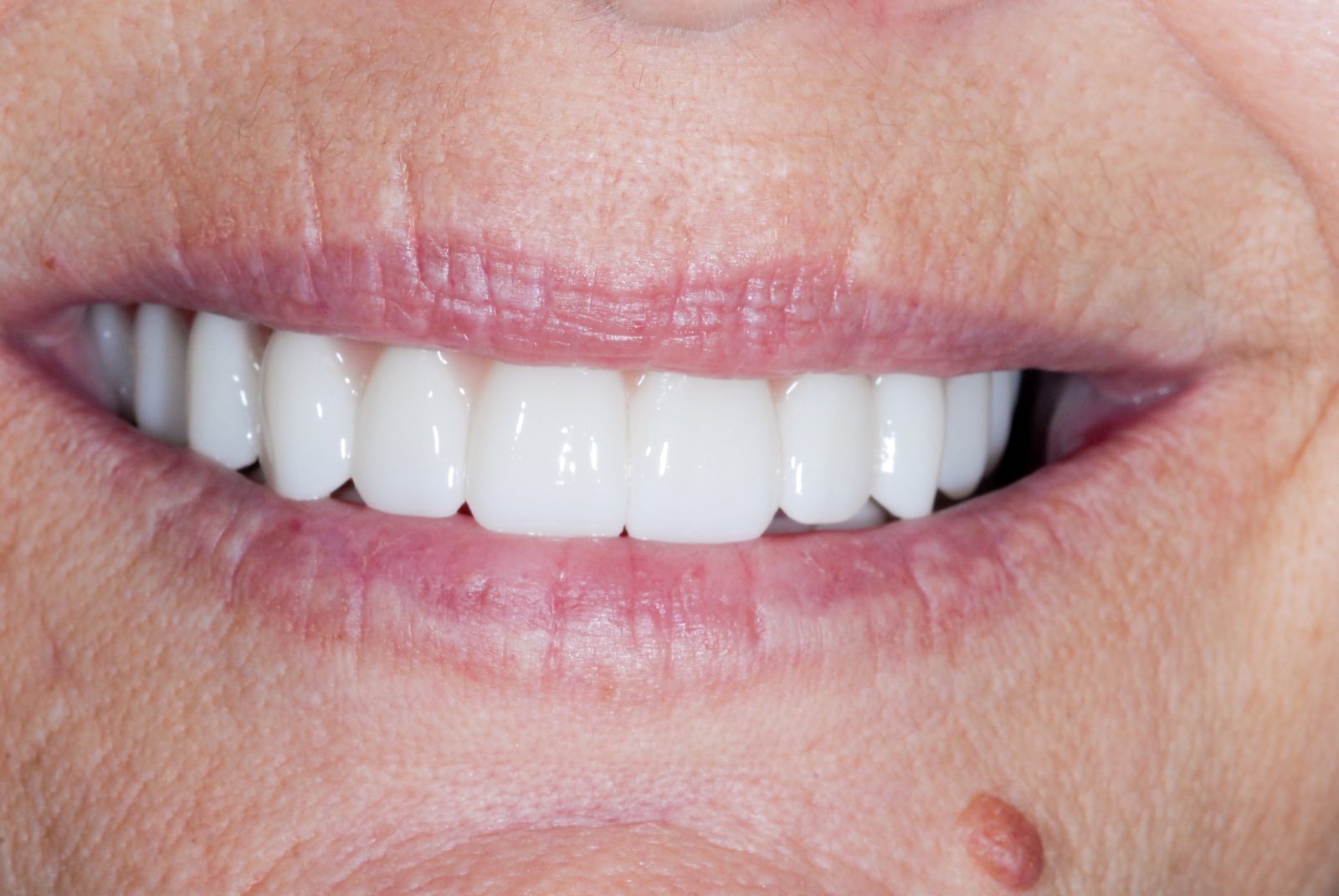
Upper & Lower Arches
A full-mouth implant-supported rehabilitation utilizing upper and lower full-arch restorations
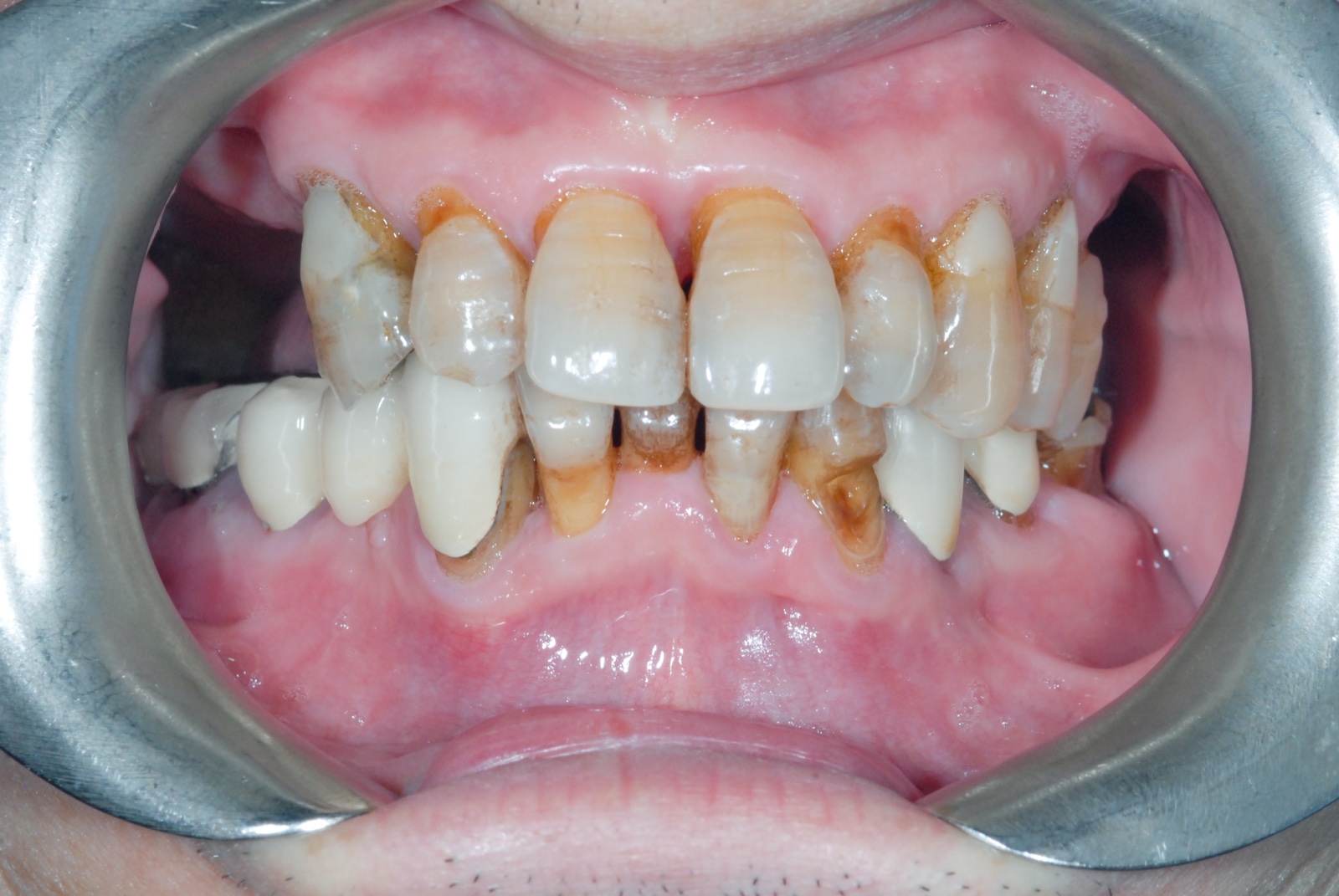
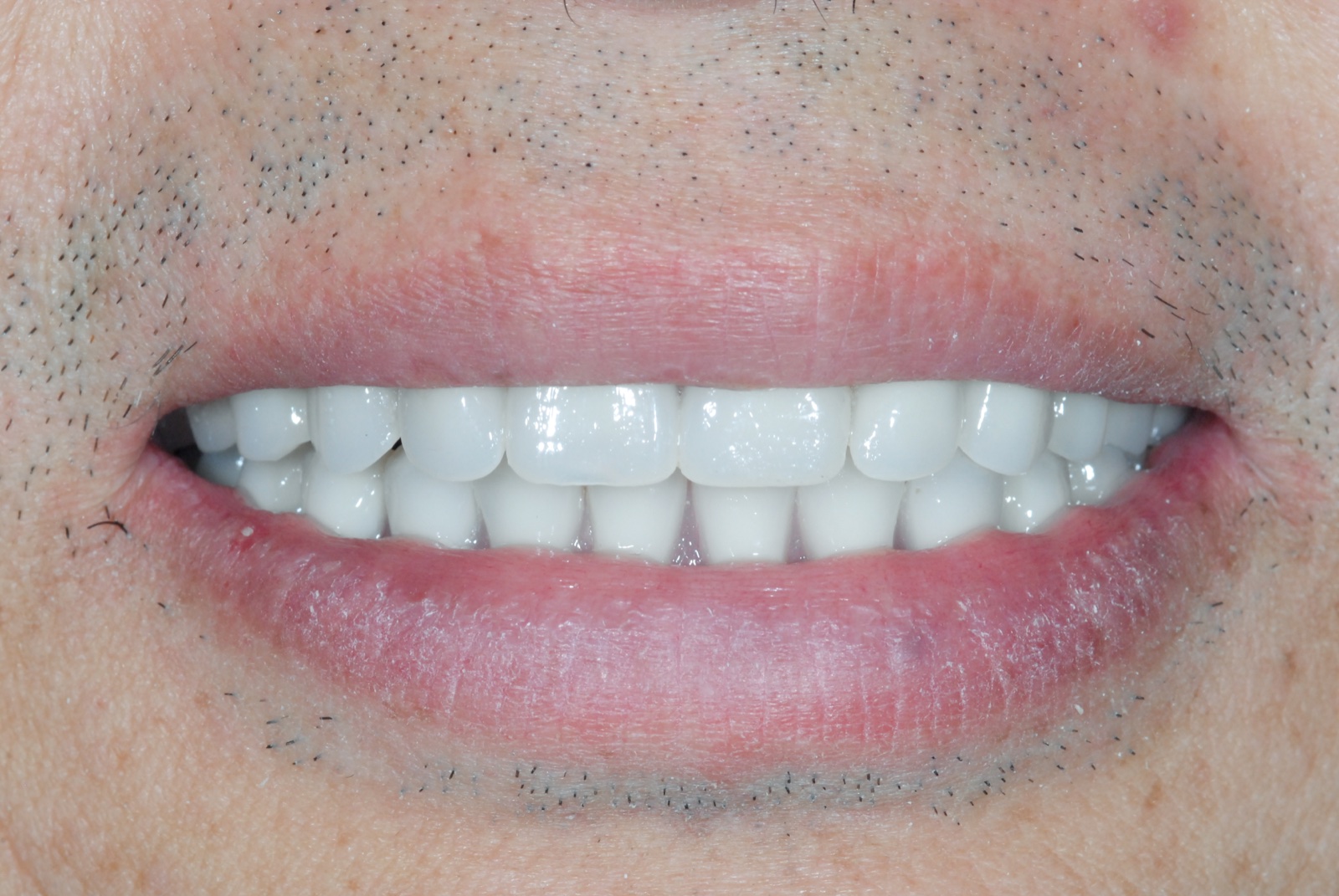
Upper and lower arches
Both arches restored together, re-establishing bite height as well as appearance.
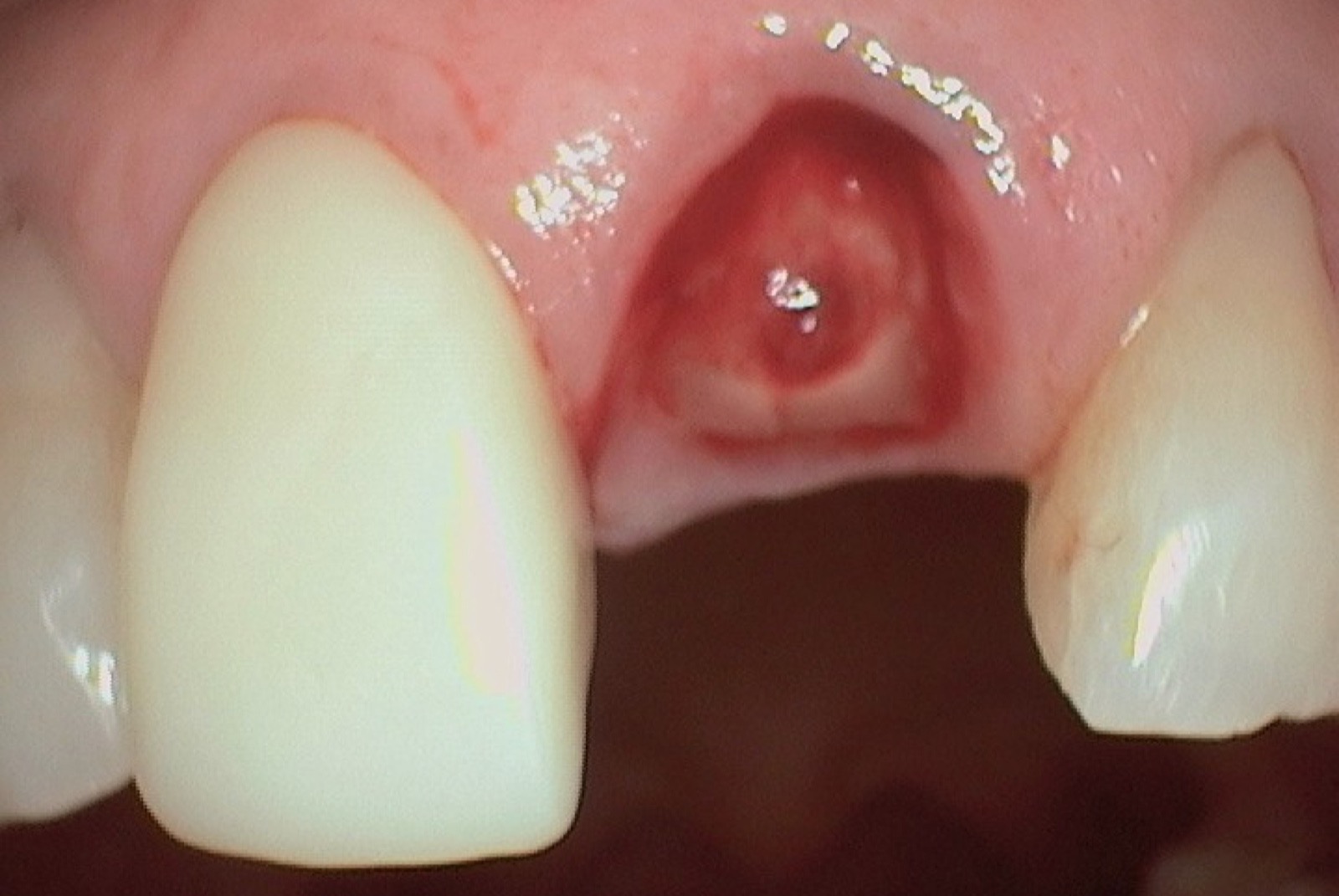
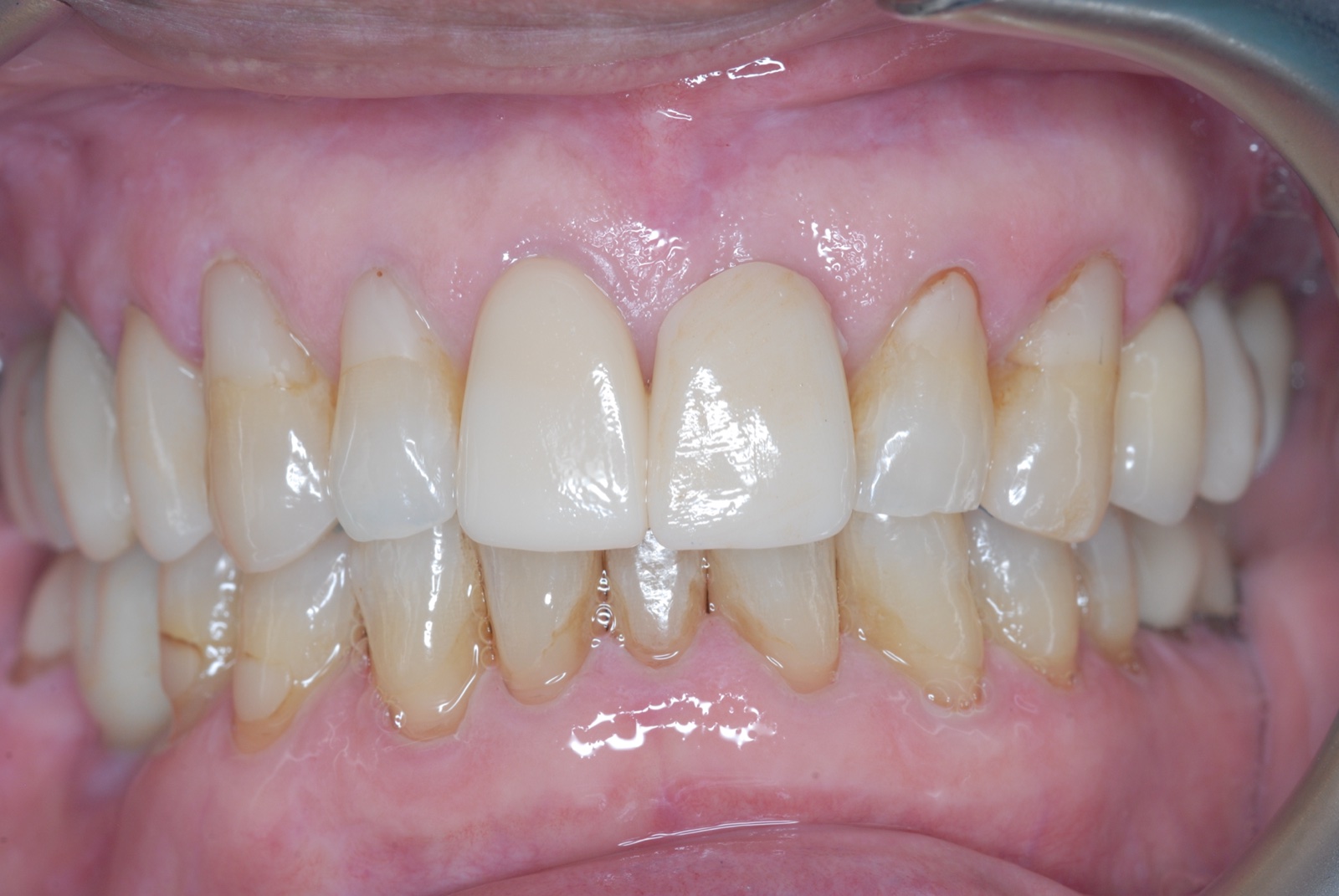
Fractured tooth removed with computer-guided immediate implant placement
A fractured tooth removed and an implant placed at the same visit, with a temporary tooth fitted the same day.
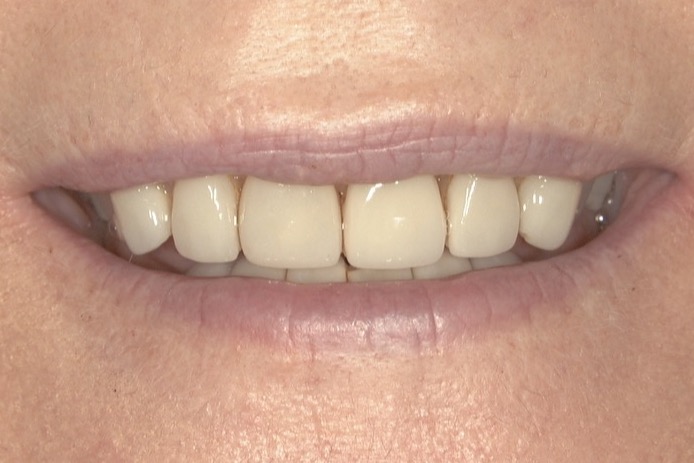
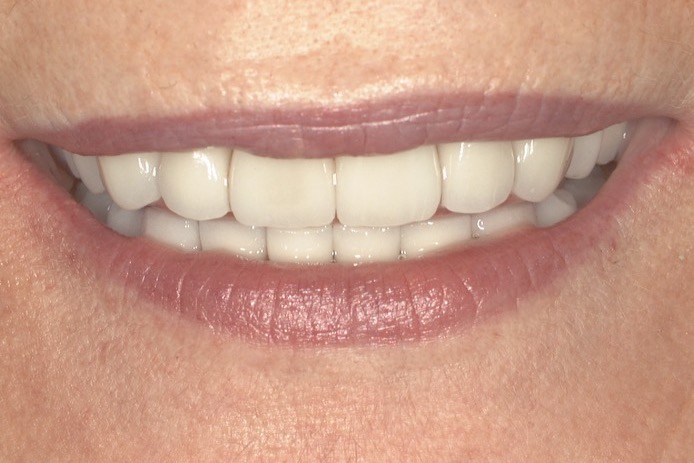
Upper & Lower Arches — no implants
Porcelain crowns and veneers across both arches, rebuilding teeth that had worn down over years. Restoring the height of the bite returns comfortable function and supports the proportions of the lower face.
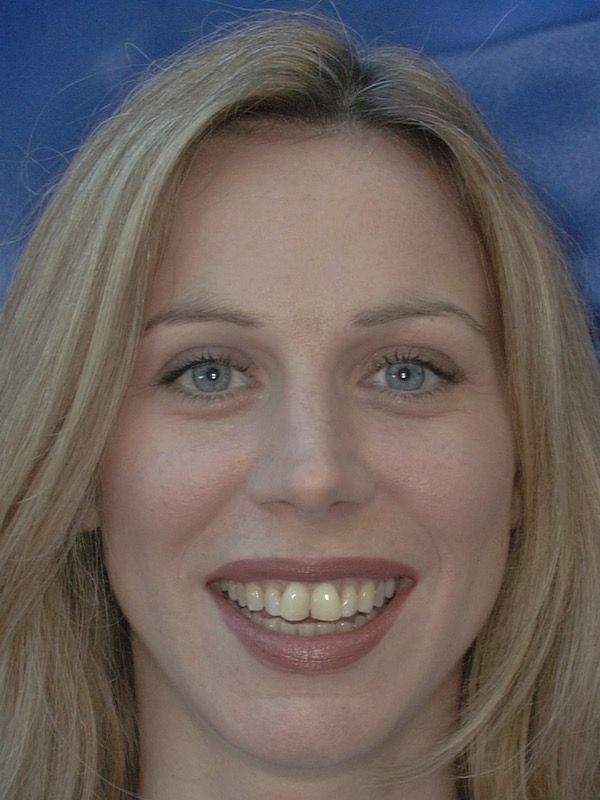

Upper arch
Eight porcelain veneers and two crowns across the upper arch, evening out shade, length and alignment while keeping the lower teeth as they were.
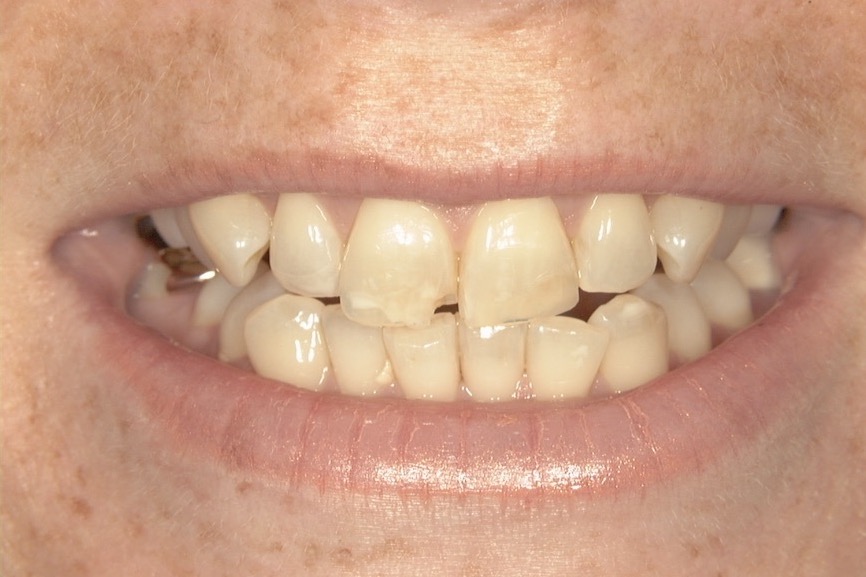
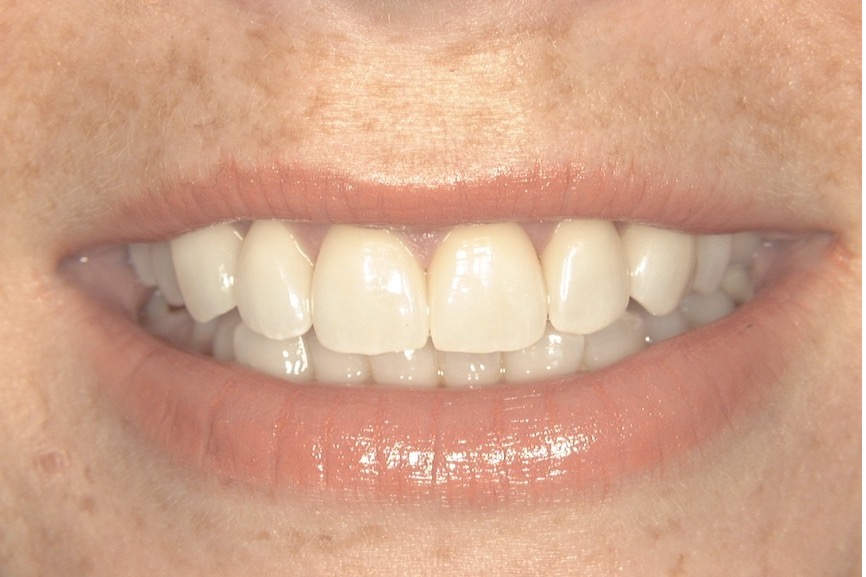
Upper front teeth
Six porcelain veneers across the upper front teeth. The teeth on either side were sound and were left untouched, which keeps the treatment as conservative as the result allows.
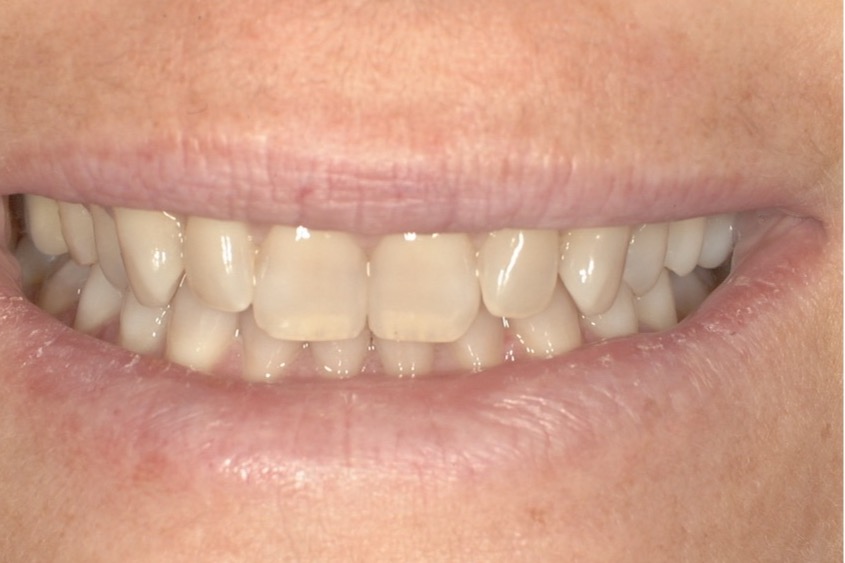
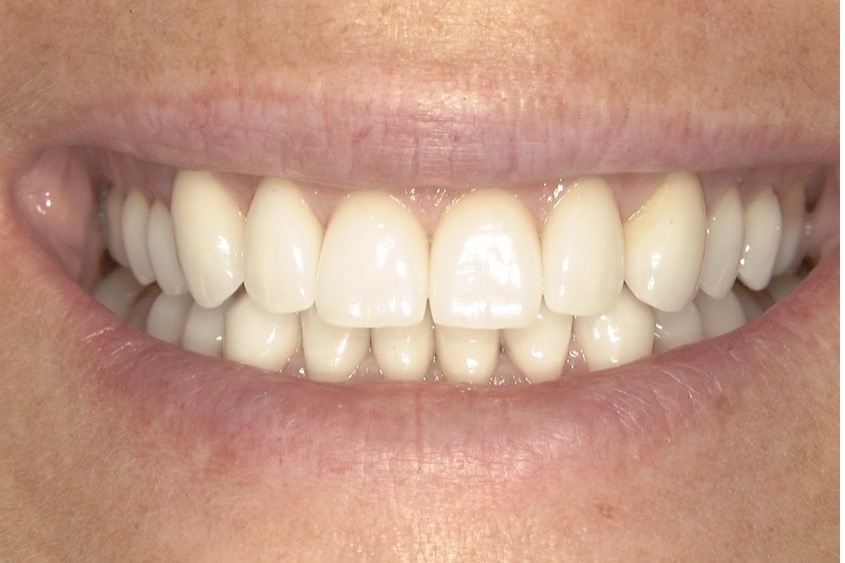
Upper & Lower Arches
Eight porcelain veneers on the upper front teeth and eight on the lower, masking discolouration that whitening alone could not lift and correcting the alignment across both arches.
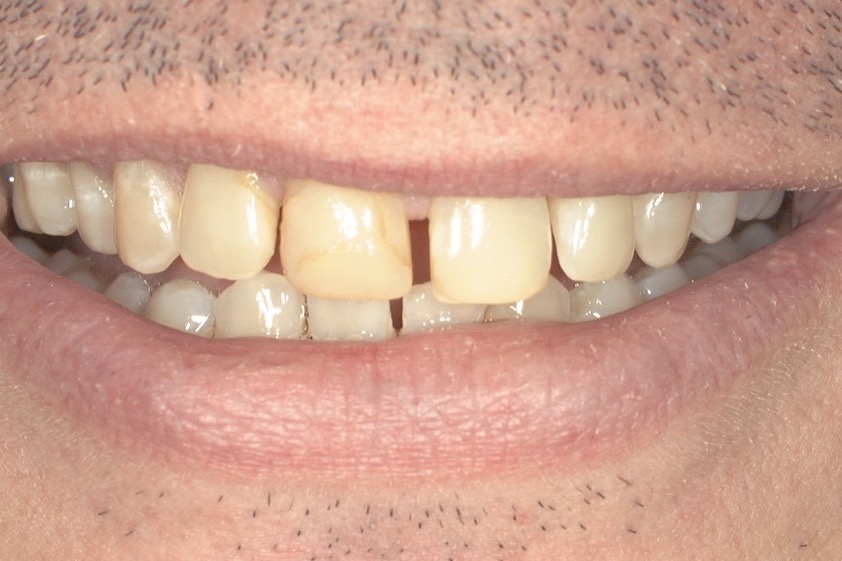
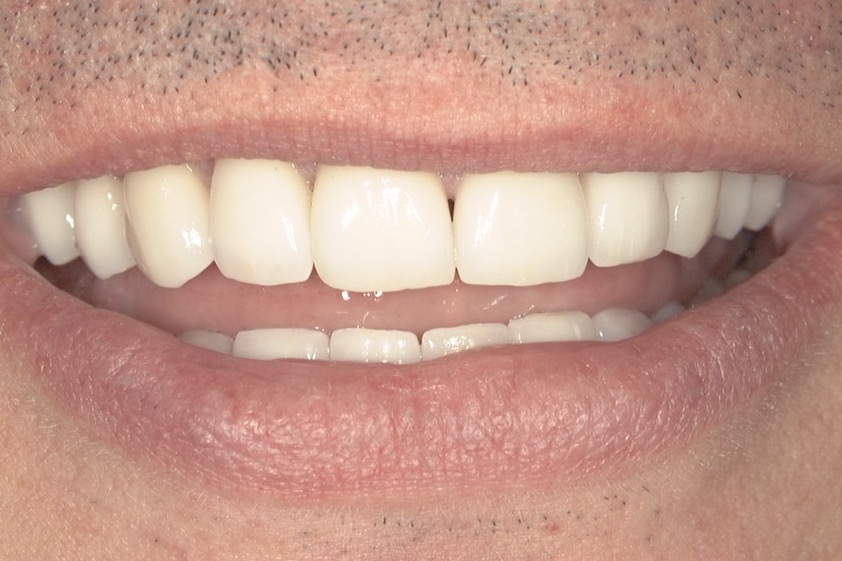
Upper arch
Eight porcelain veneers across the upper arch, closing the gap between the front teeth and replacing stained, chipped edges with an even shade and line.
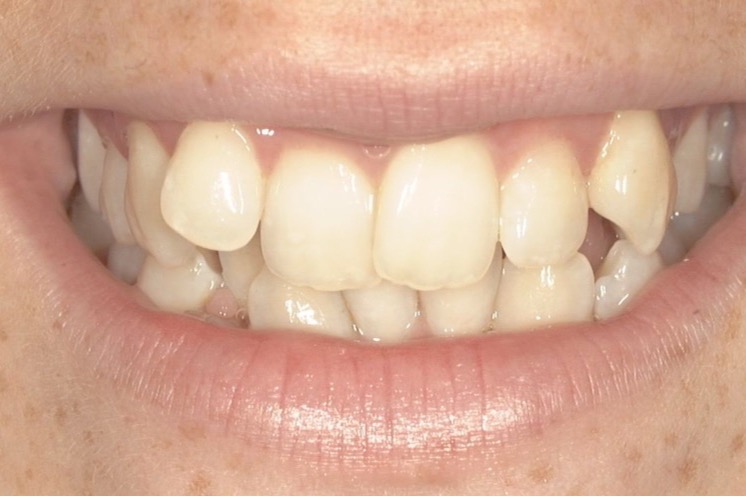
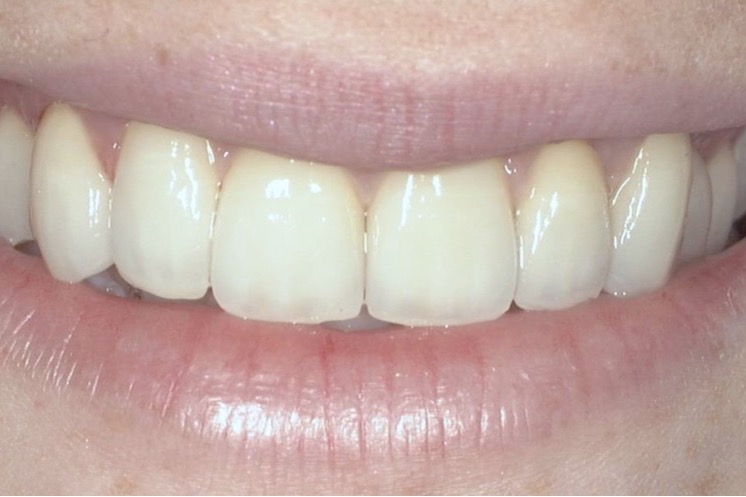
Upper front teeth
A combination of porcelain crowns and veneers across the upper front teeth, disguising crowding and misalignment. For patients who do not want orthodontic treatment, this reaches a straight-looking result in weeks rather than years.
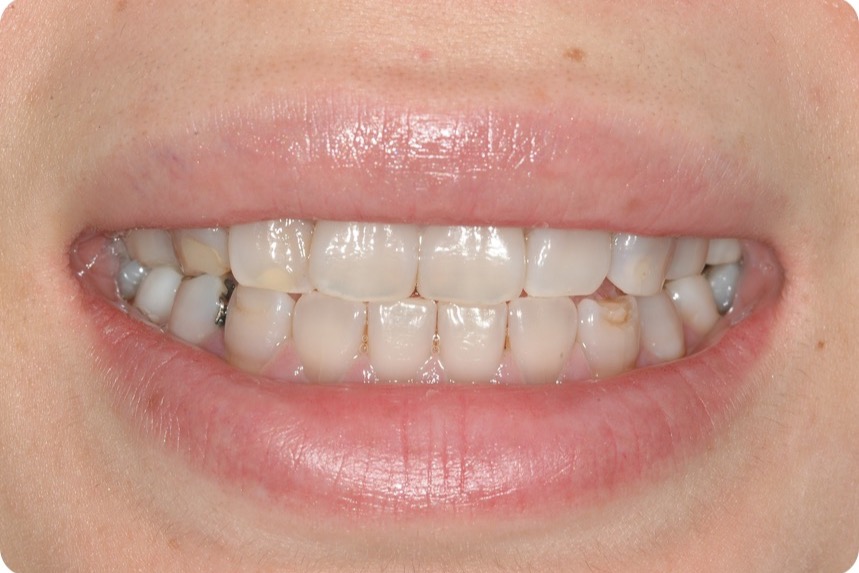
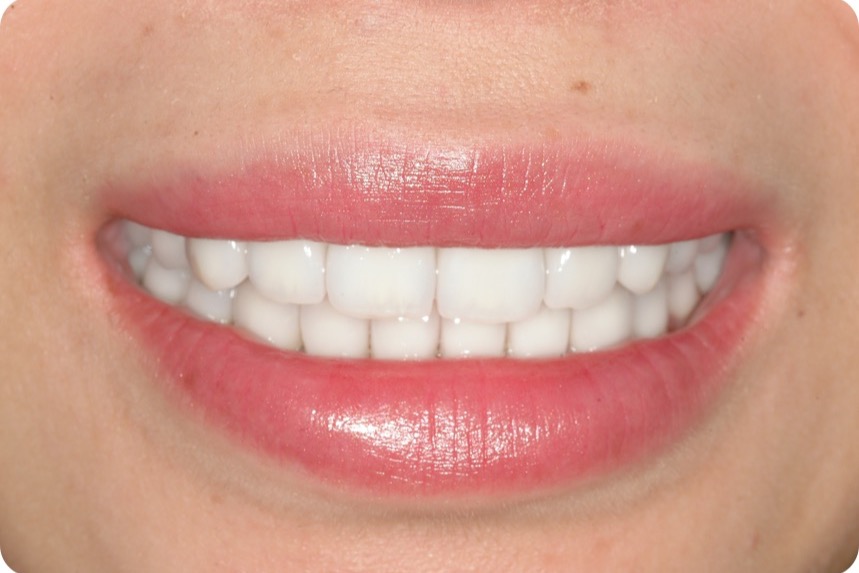
All teeth
Tetracycline staining, alongside hypoplastic areas where the enamel had formed thin and weak. Crowning all of the teeth covers the staining and rebuilds the weakened structure at the same time, so the result is durable as well as even.
Front teeth, with the lower teeth whitened
Eight porcelain veneers across the front teeth, with the lower front teeth whitened to match rather than veneered. Where the lower teeth are sound, whitening them to the new shade is the more conservative way to balance the smile.
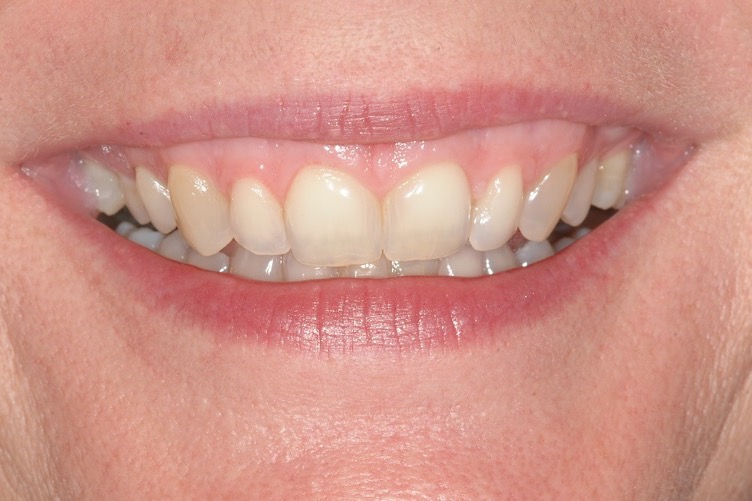
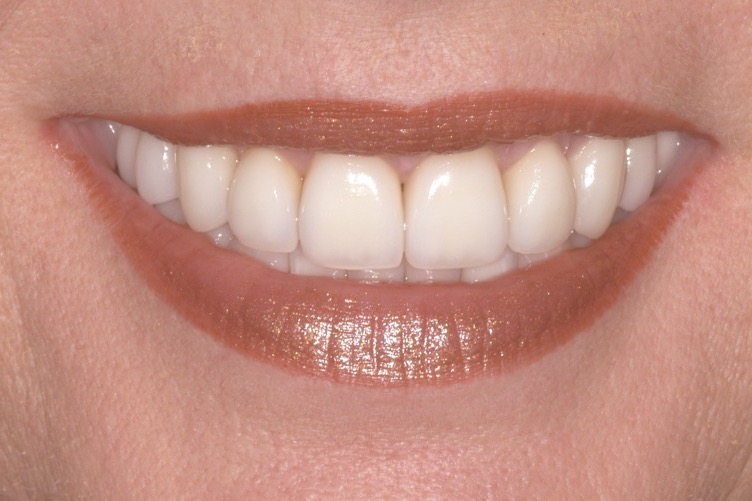
Crowns, veneers and implants
Porcelain crowns and veneers across the mouth, with implants replacing the teeth that had been lost. The gum line was reshaped at the same time, so the new teeth sit in proportion to it rather than being framed by an uneven margin.
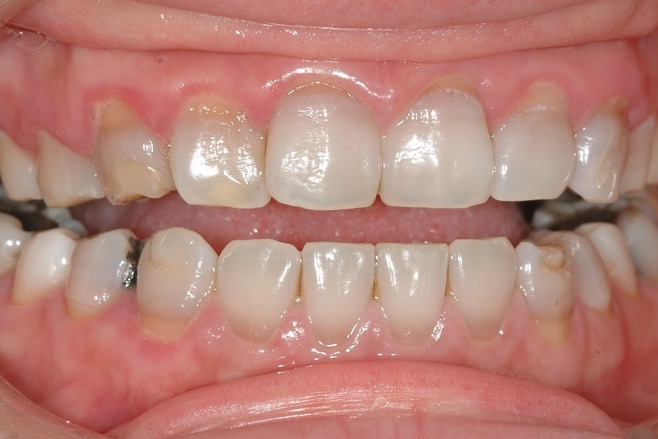
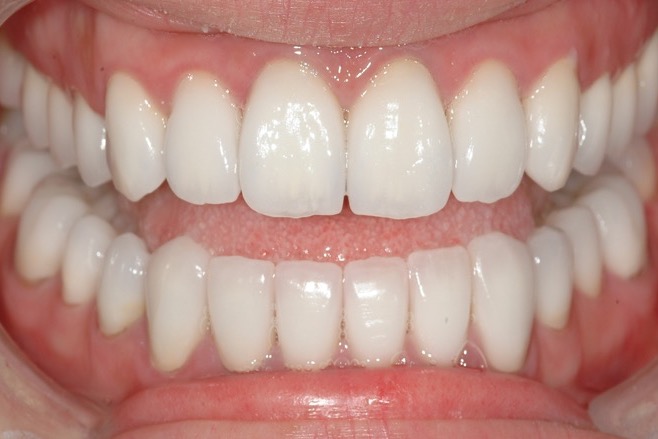
Crowns throughout, with the bite rebuilt
Tetracycline staining alongside hypoplastic enamel that had formed thin and weak. Crowning the teeth covers the staining and rebuilds the structure; rebuilding the bite at the same time restored chewing function, not only appearance.
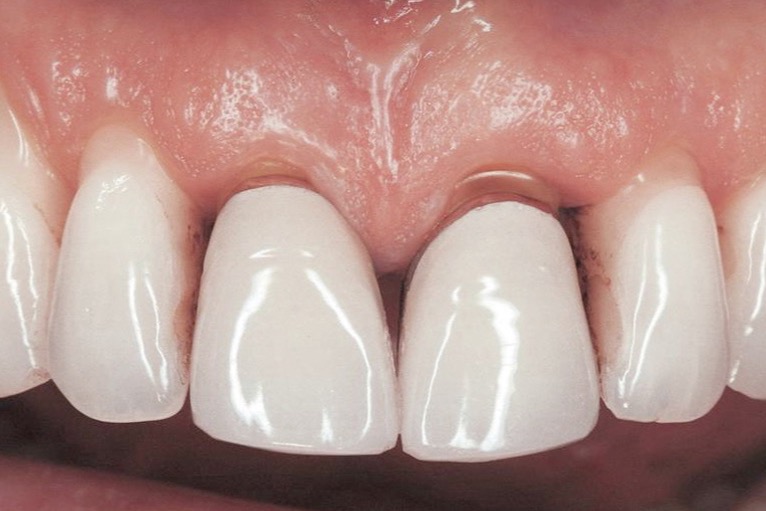
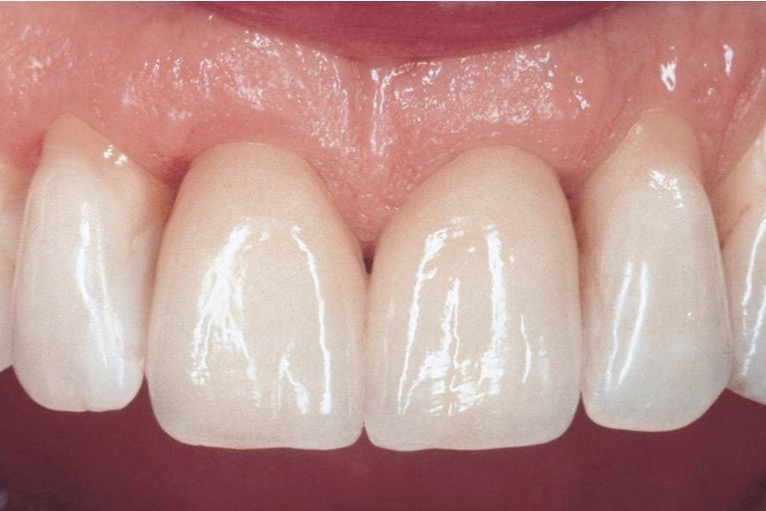
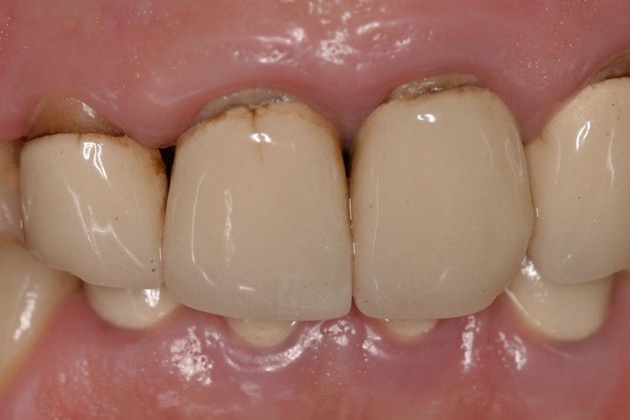
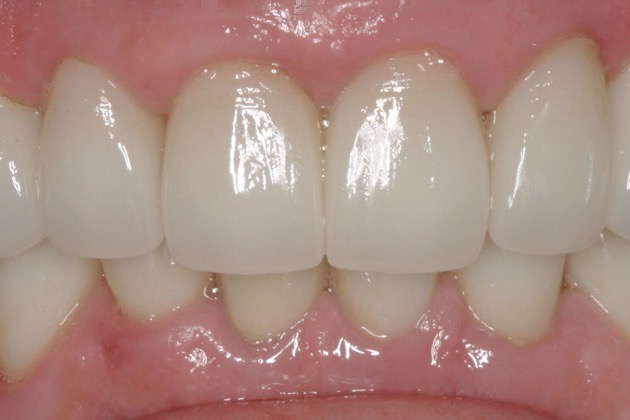
Upper front teeth
Two porcelain-fused-to-metal crowns replaced with all-porcelain. The metal core under the older pair is what gave them their flat look and the dark line at the gum; porcelain on its own lets light through the way a natural tooth does.
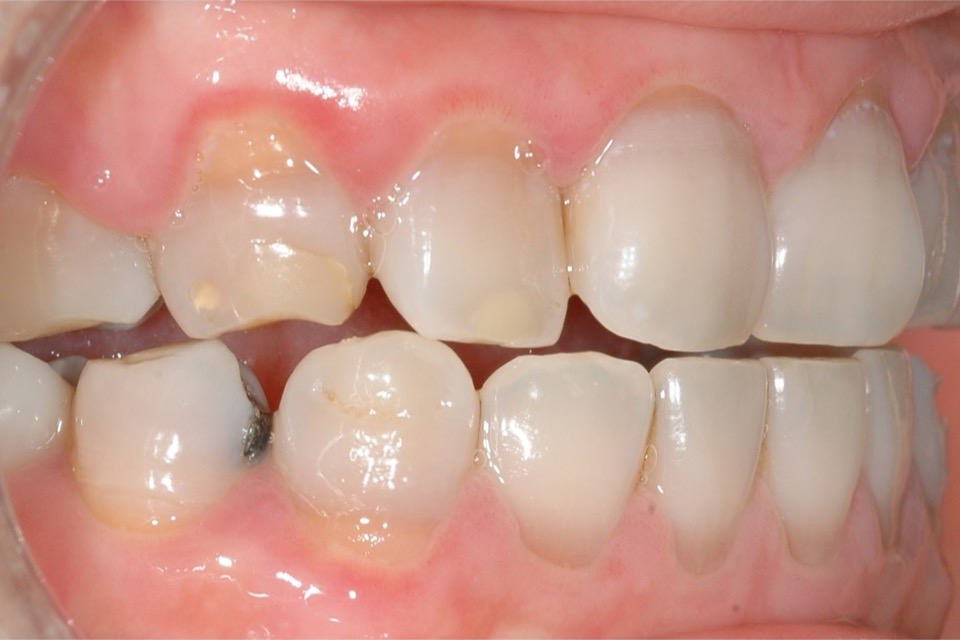
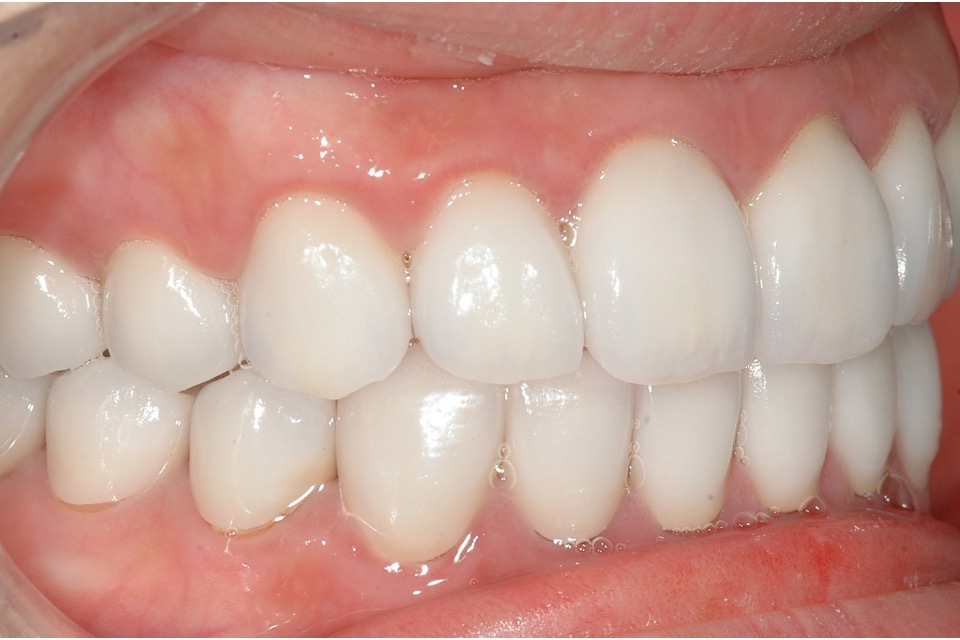
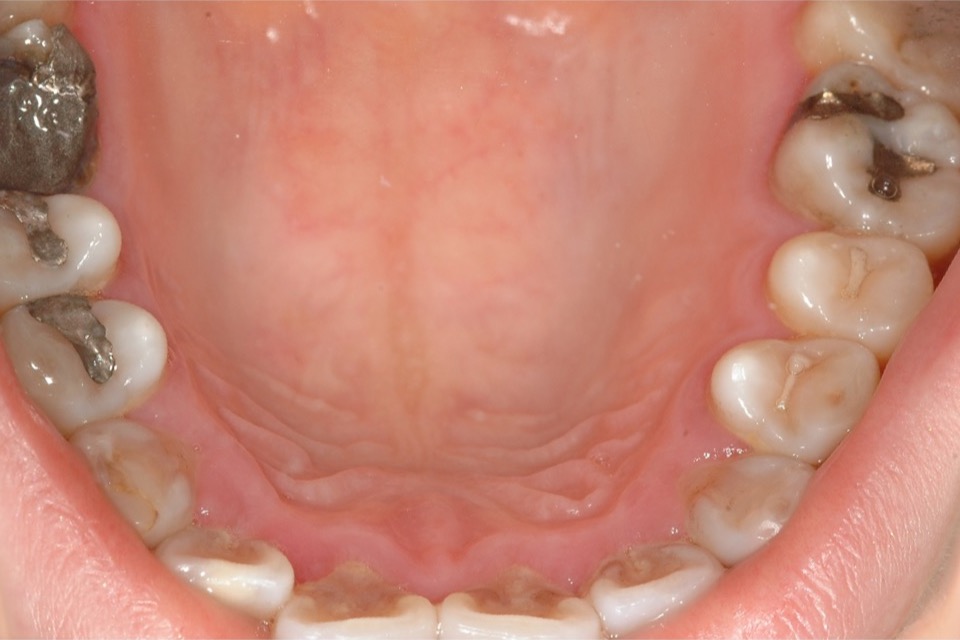
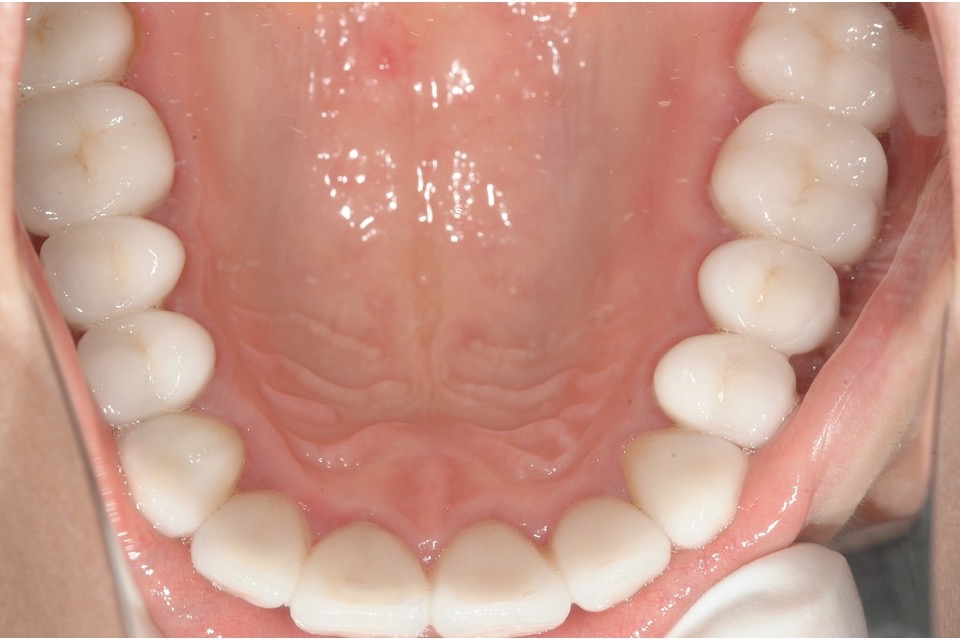
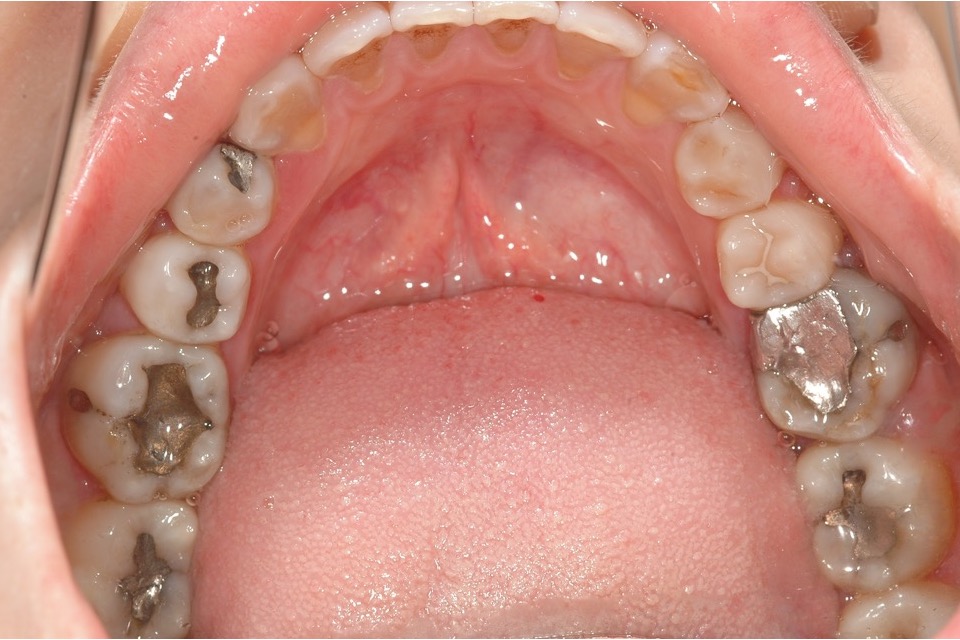
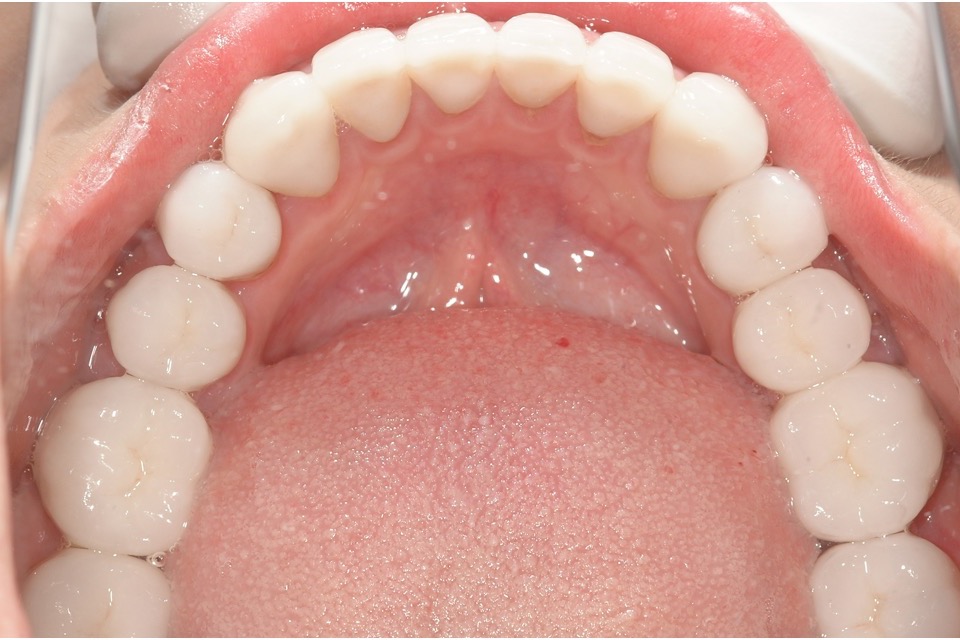
Every tooth restored — crowns and veneers
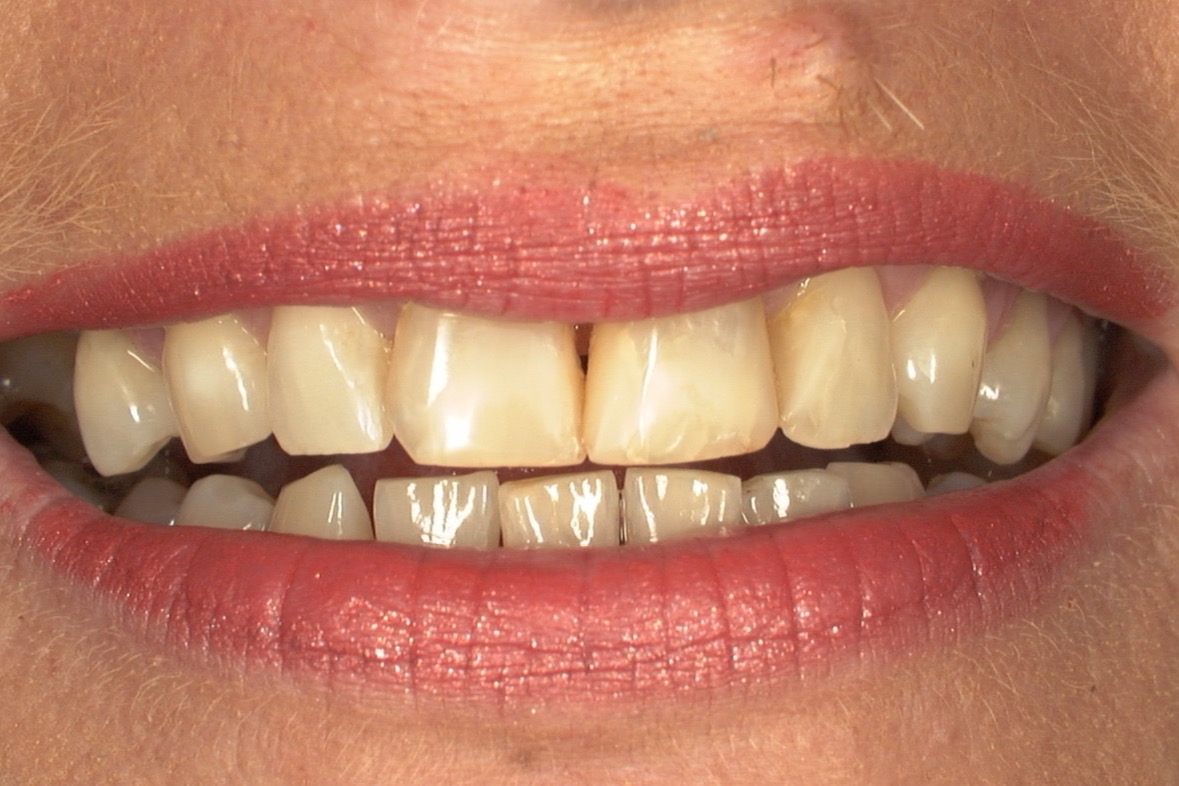
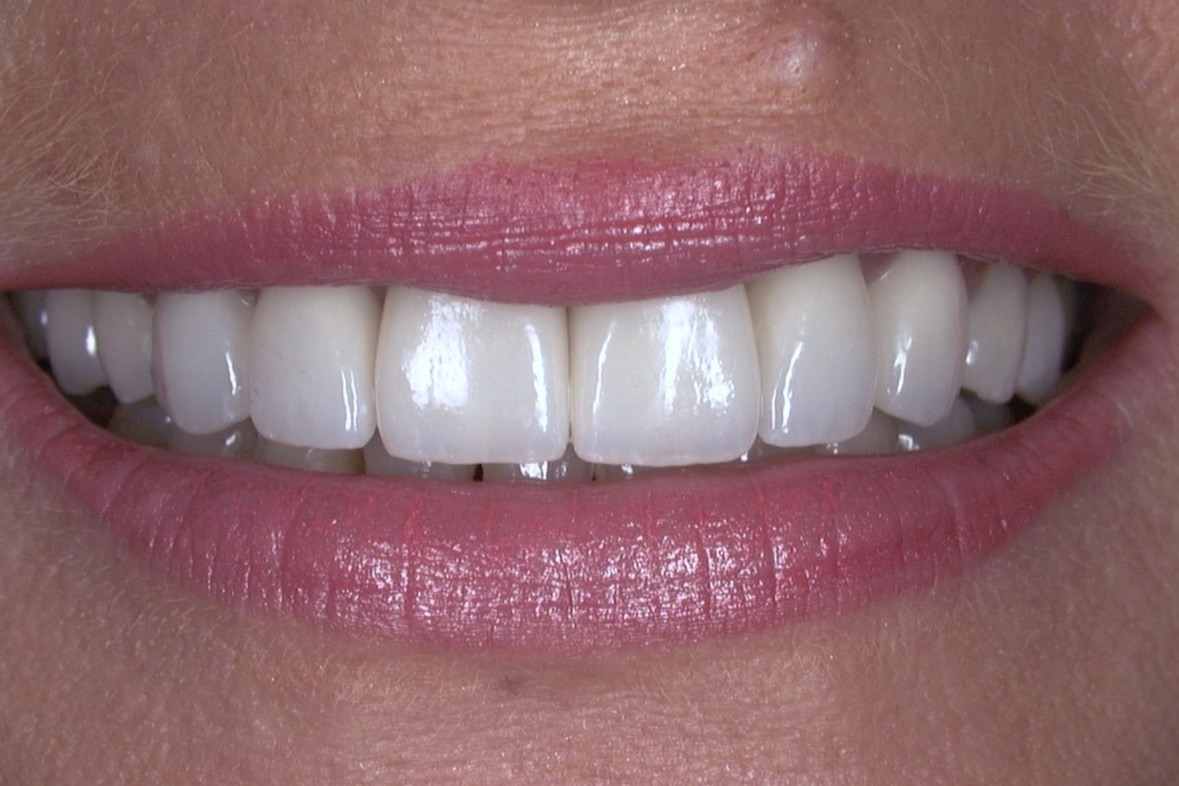
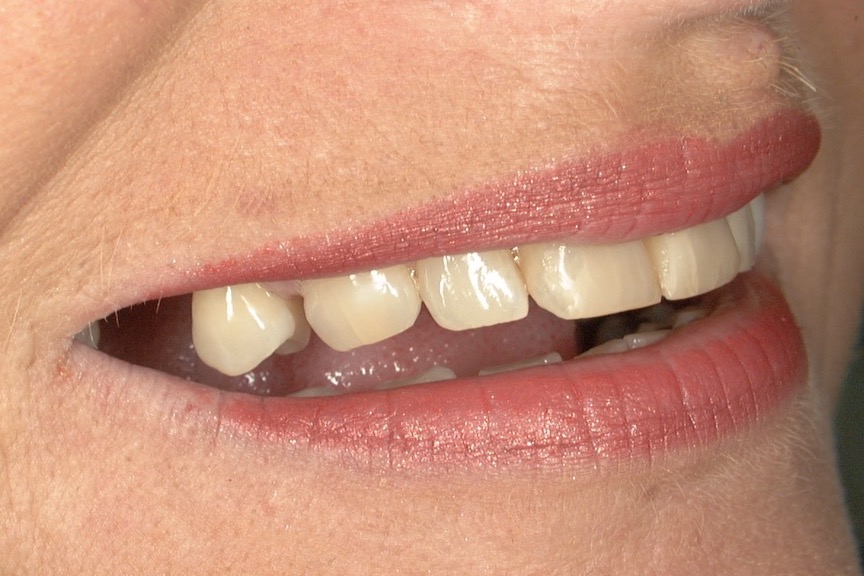
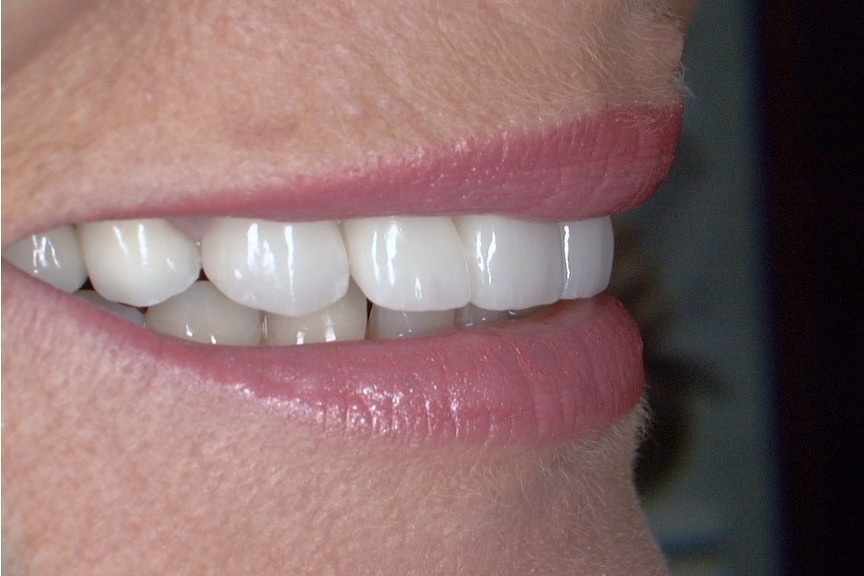
Porcelain crowns and veneers restoring every tooth in both arches, replacing old metal fillings and the decay around them. The views of each arch show what a smile photograph cannot: the back teeth carry the bite, and they were rebuilt too.
Upper front teeth
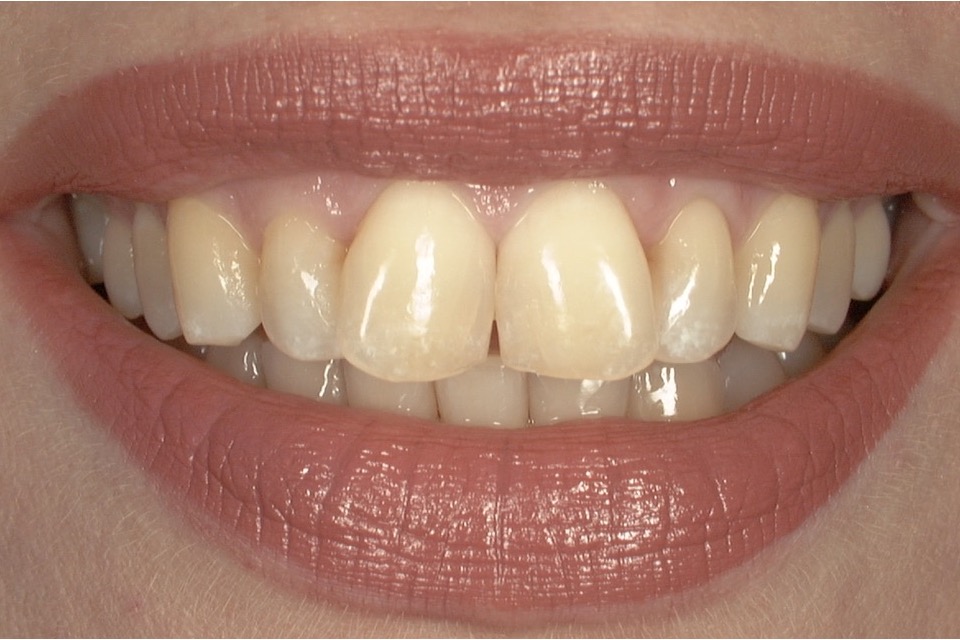
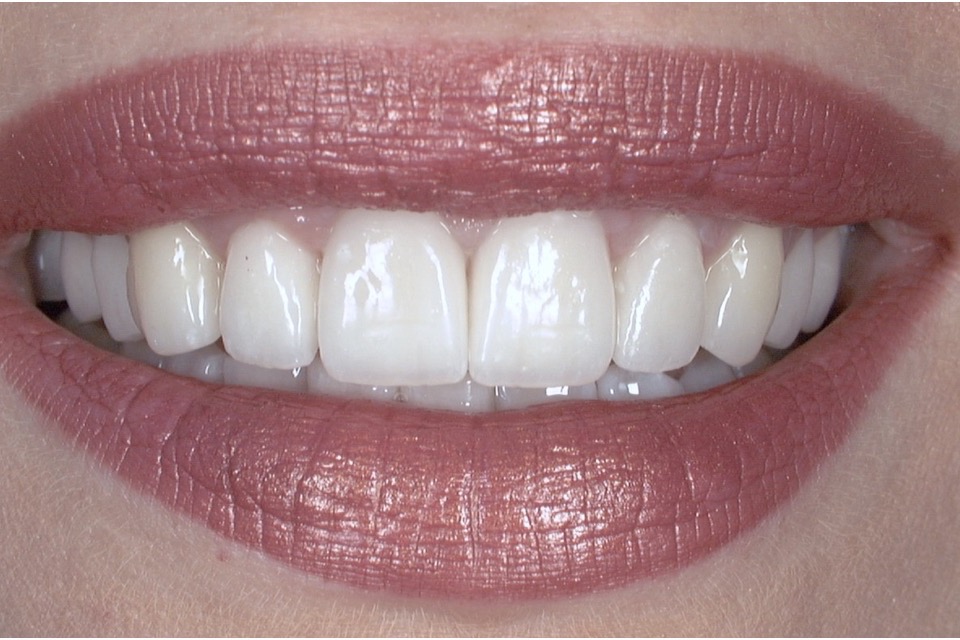
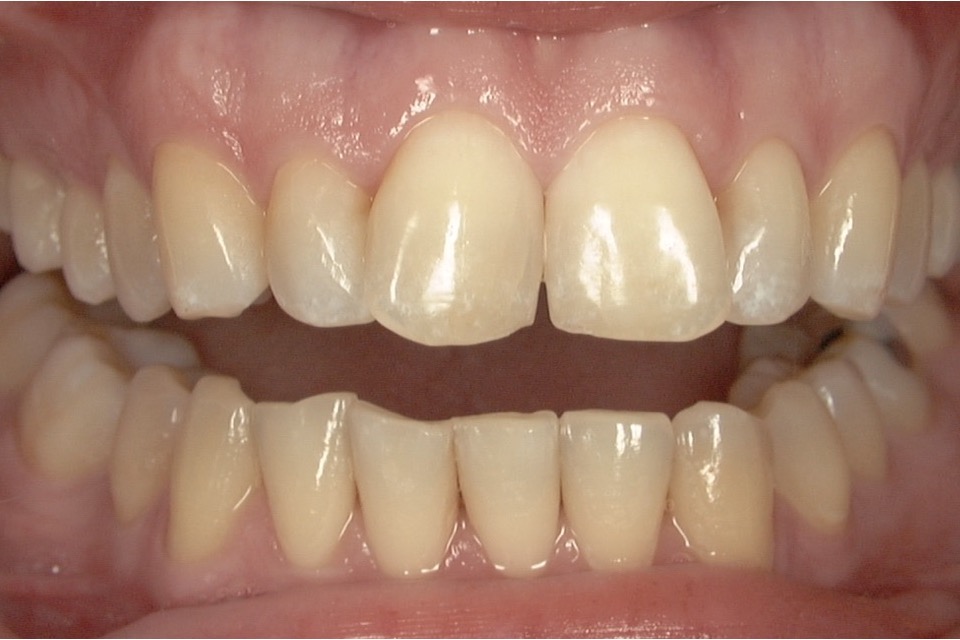
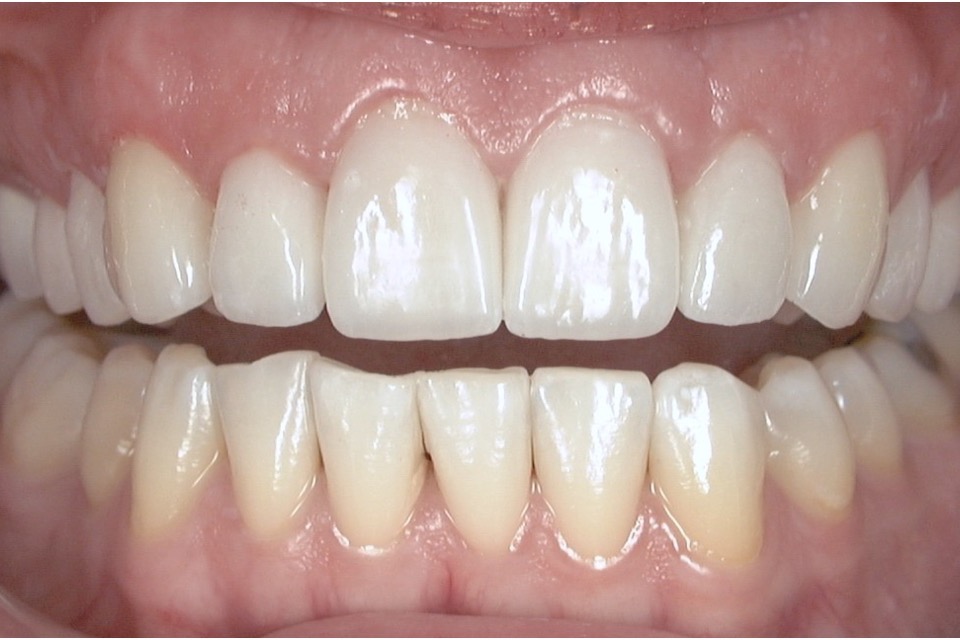
Ten crowns and veneers reshaping the upper front teeth, evening out both shade and length. The view from the side shows something the front view hides: the new teeth follow the curve of the lip instead of sitting flat across it.
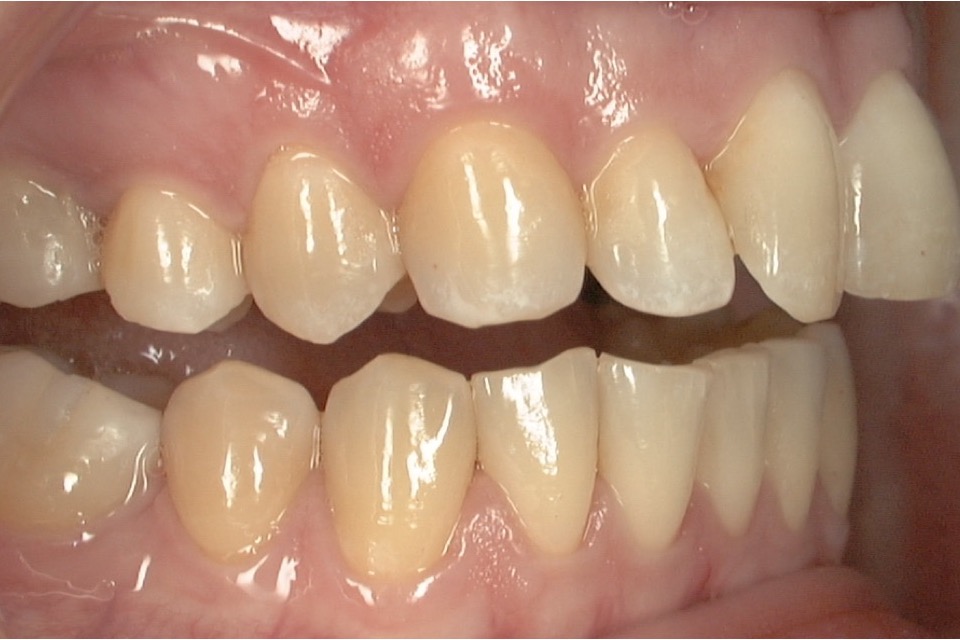
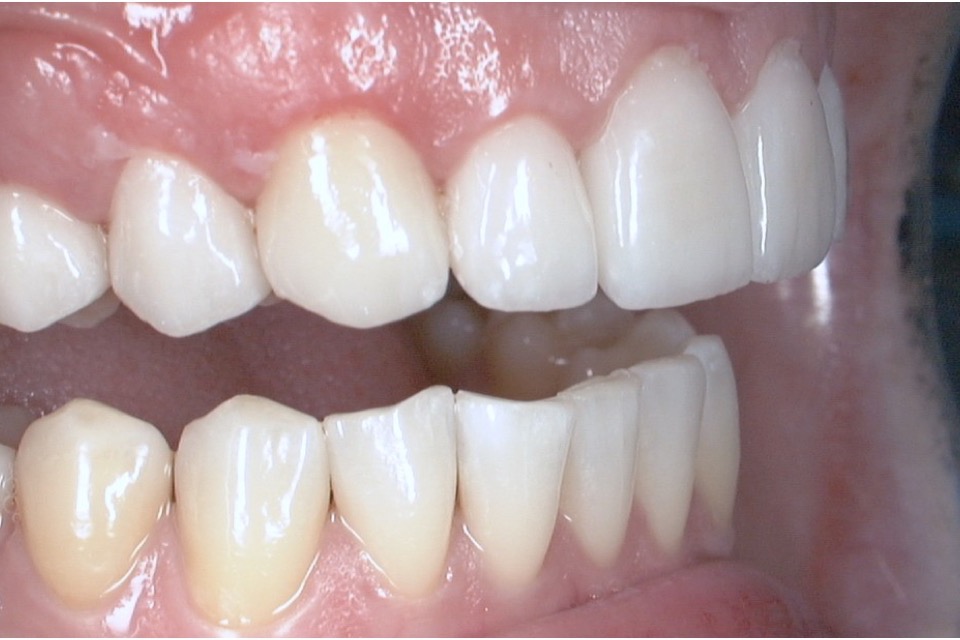
Upper front teeth
A combination of crowns and veneers reshaping the upper front teeth and bringing them back into line — a result that both looks even and meets the lower teeth properly, which is what keeps it lasting.
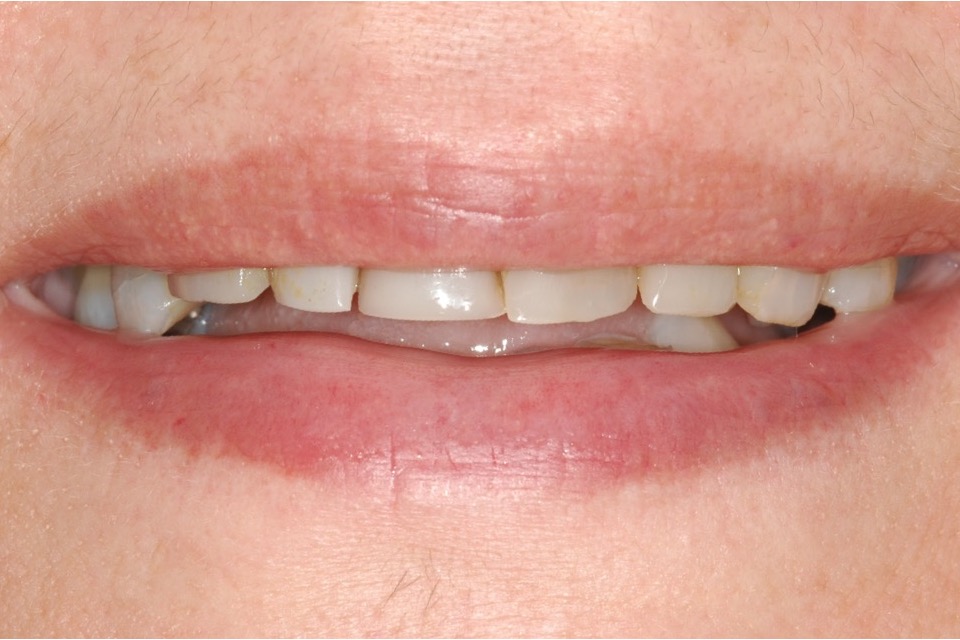
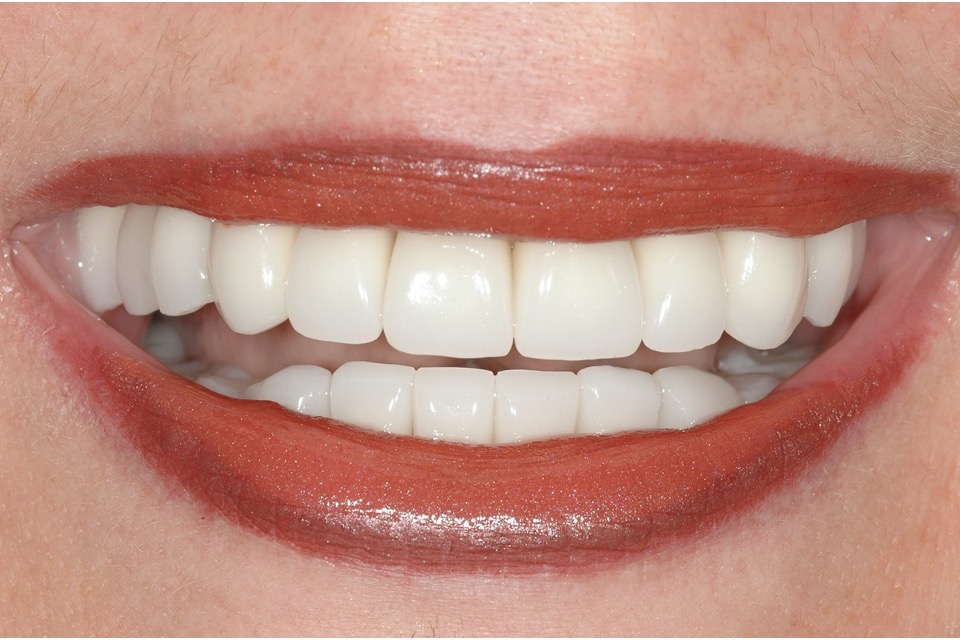


Implants and porcelain crowns
Implants replacing the teeth that were missing and porcelain crowns rebuilding the rest, restoring the bite as a whole. The portrait shows what a rebuilt bite does beyond the teeth themselves: it gives the lower face back its height.
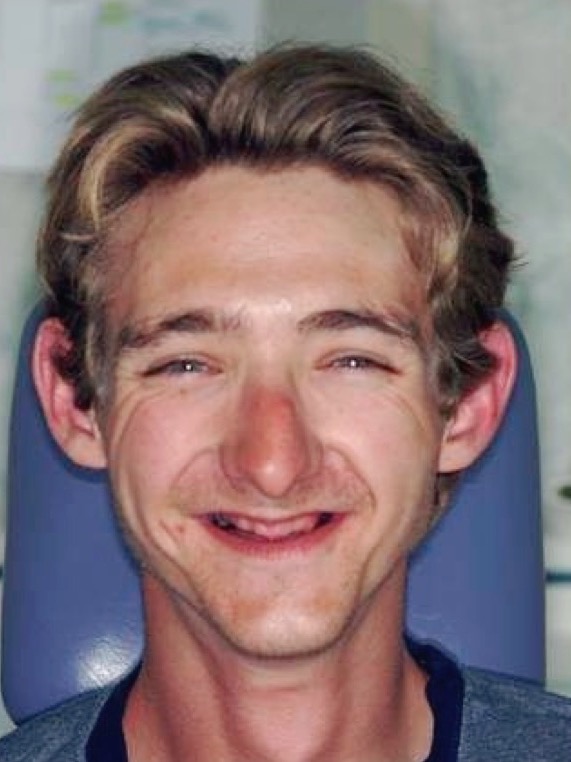
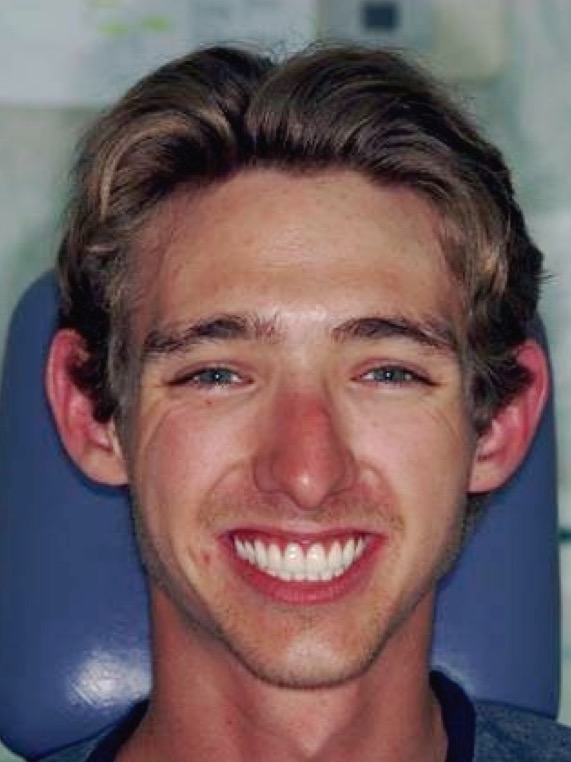
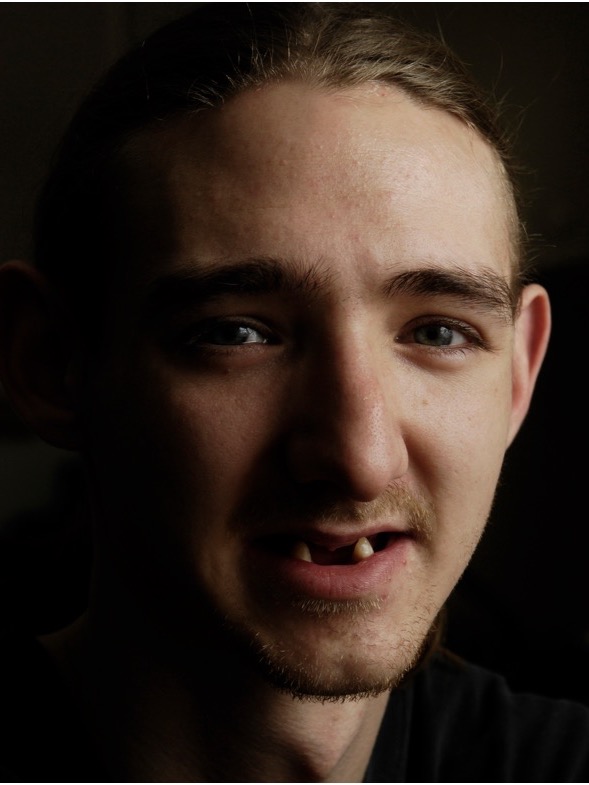
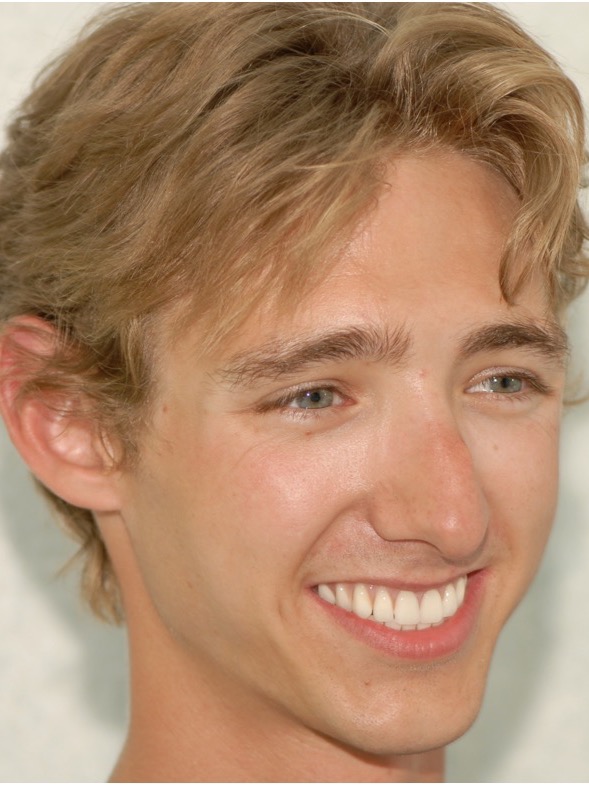
Implants with a partial denture
Most of the teeth had been lost. Implants together with a partial denture rebuilt the smile. The first pair is the try-in itself — the same appointment, without the teeth and then with them. The second is the before and after the Toronto Star ran in its feature, where the haircut and the daylight changed along with the teeth.
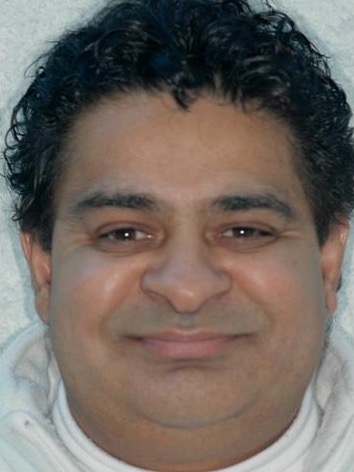
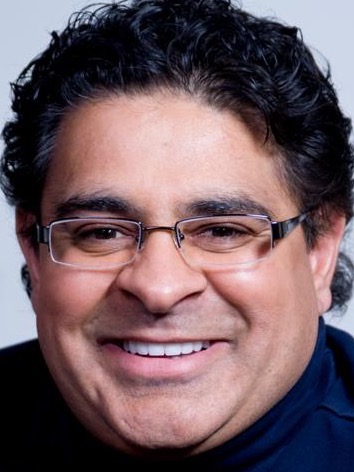
Implants and porcelain crowns
Implants and porcelain crowns rebuilding the bite and restoring the height it had lost. When a bite collapses the lower face shortens with it, which is why opening it back up changes the whole face and not only the teeth.
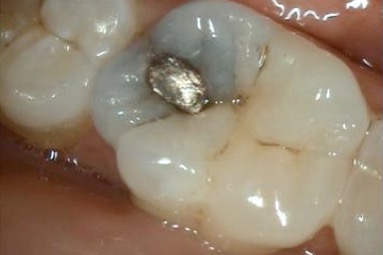
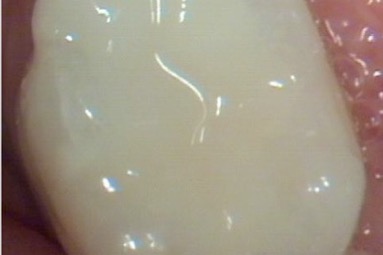
CEREC CAD/CAM — designed and fitted the same day
An old metal filling with a crack running from it, replaced by a porcelain inlay milled in the practice while the patient waited. The two photographs are of the same tooth: the after is taken closer in and at a slightly different angle, which is why the inlay fills more of the frame. An inlay keeps more of the natural tooth than a crown does, so it is the more conservative repair wherever enough sound structure remains.
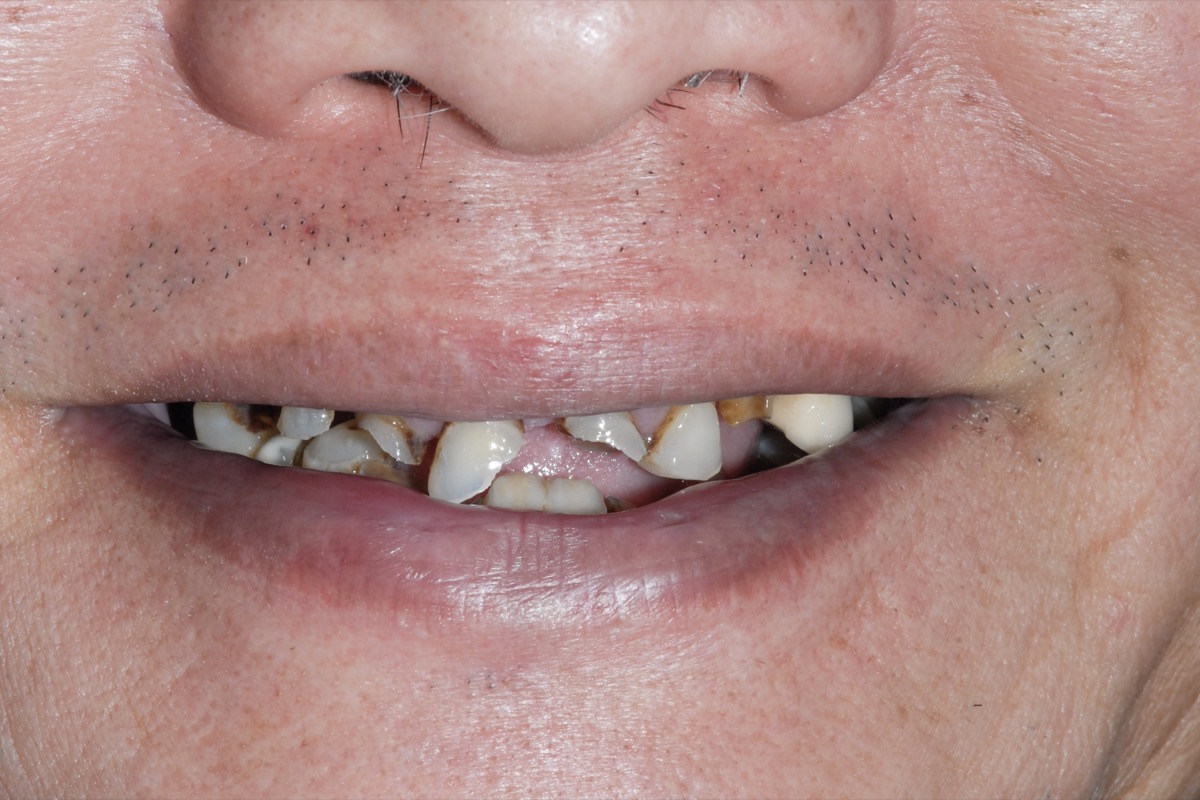
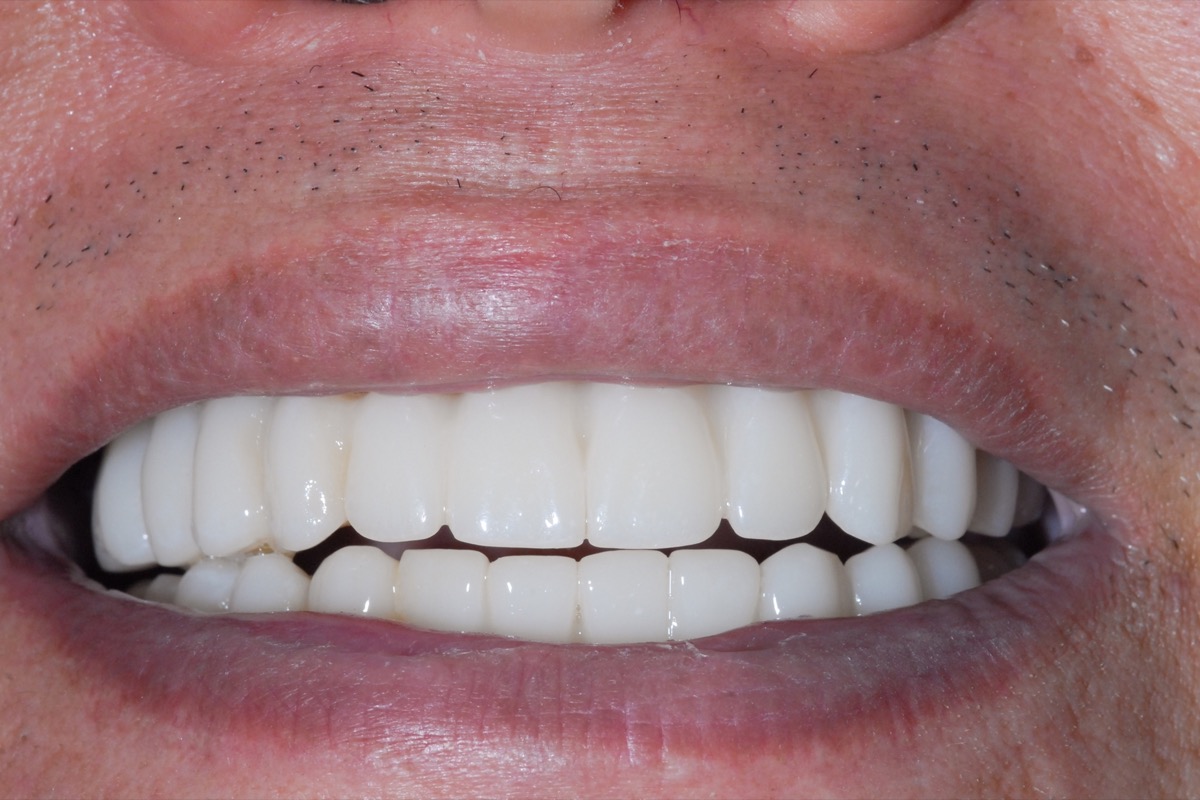
Upper & Lower Arches on All-on-6 implants
Teeth broken down by decay to the point where none could be saved. Six implants in each arch carry a fixed bridge, restoring the whole mouth at once rather than tooth by tooth — which is what makes this possible where individual repairs would not last.
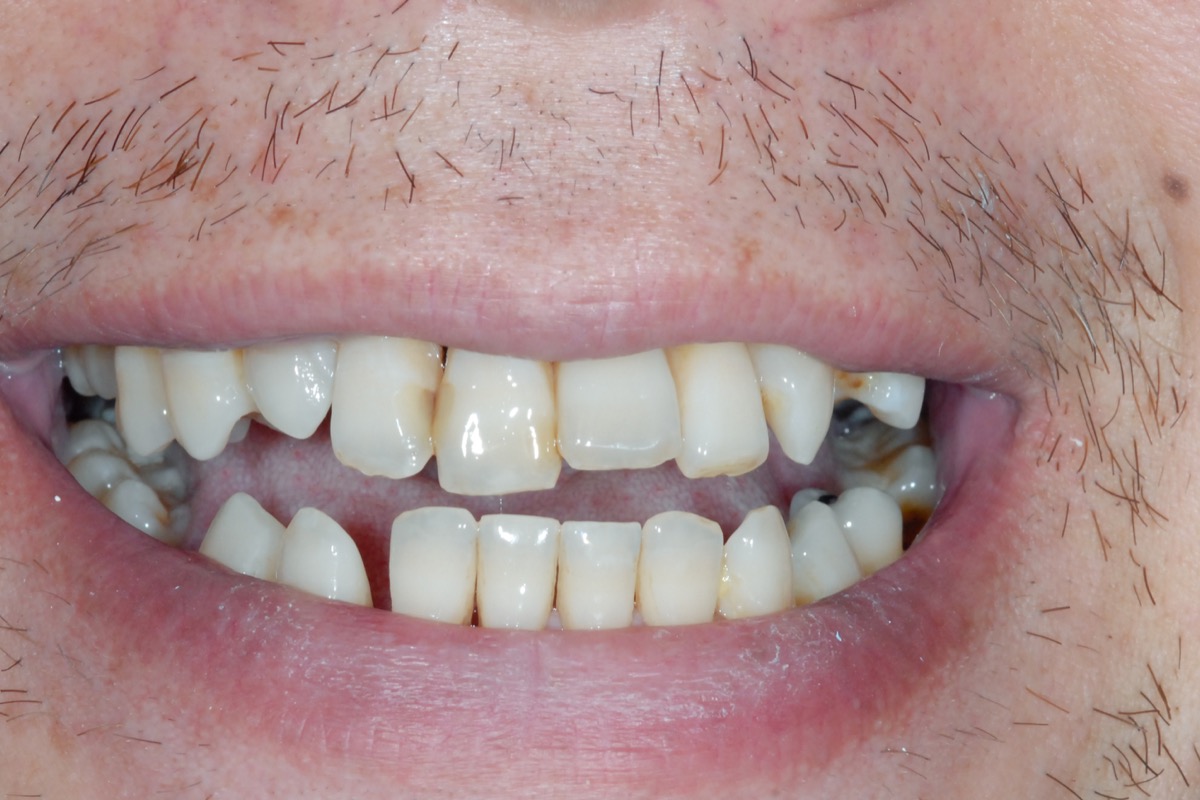
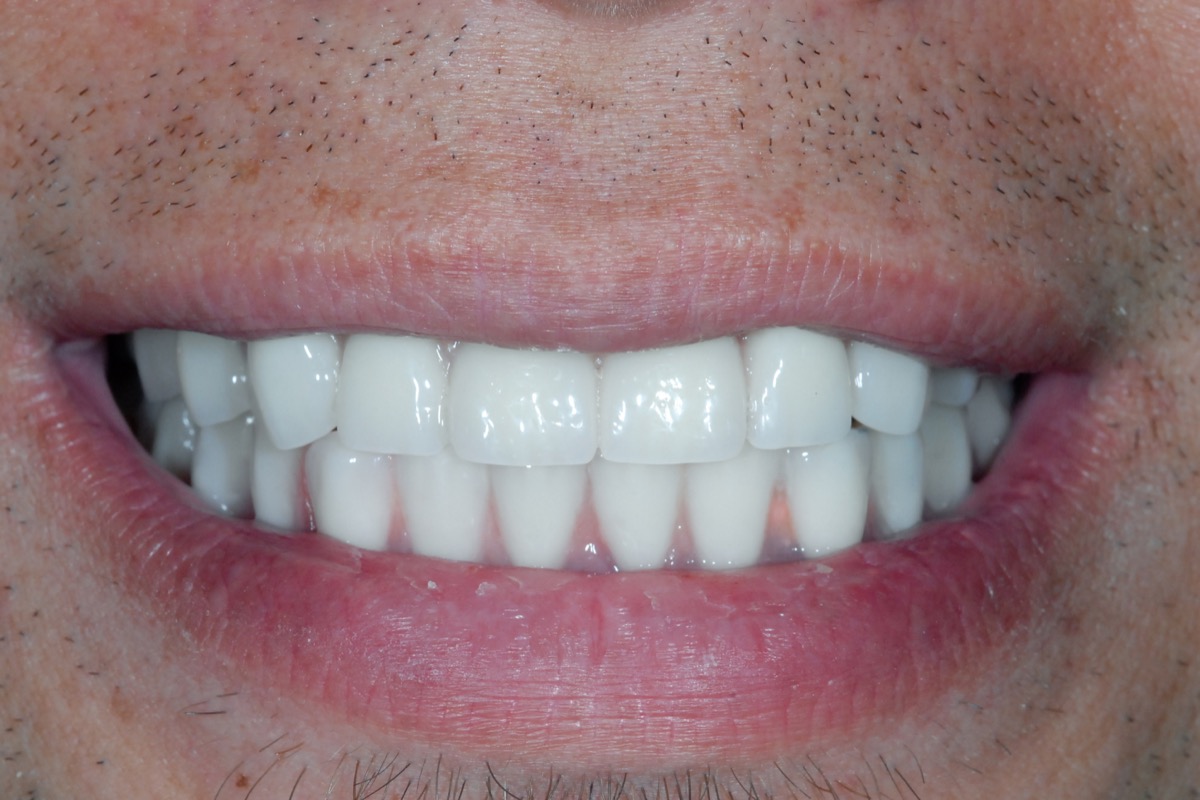
Upper & Lower Arches on All-on-6 implants
Years of wear had shortened the teeth and opened spaces between them, closing the bite along with it. Fixed bridges on six implants per arch restore the length of the teeth and the height of the bite together.
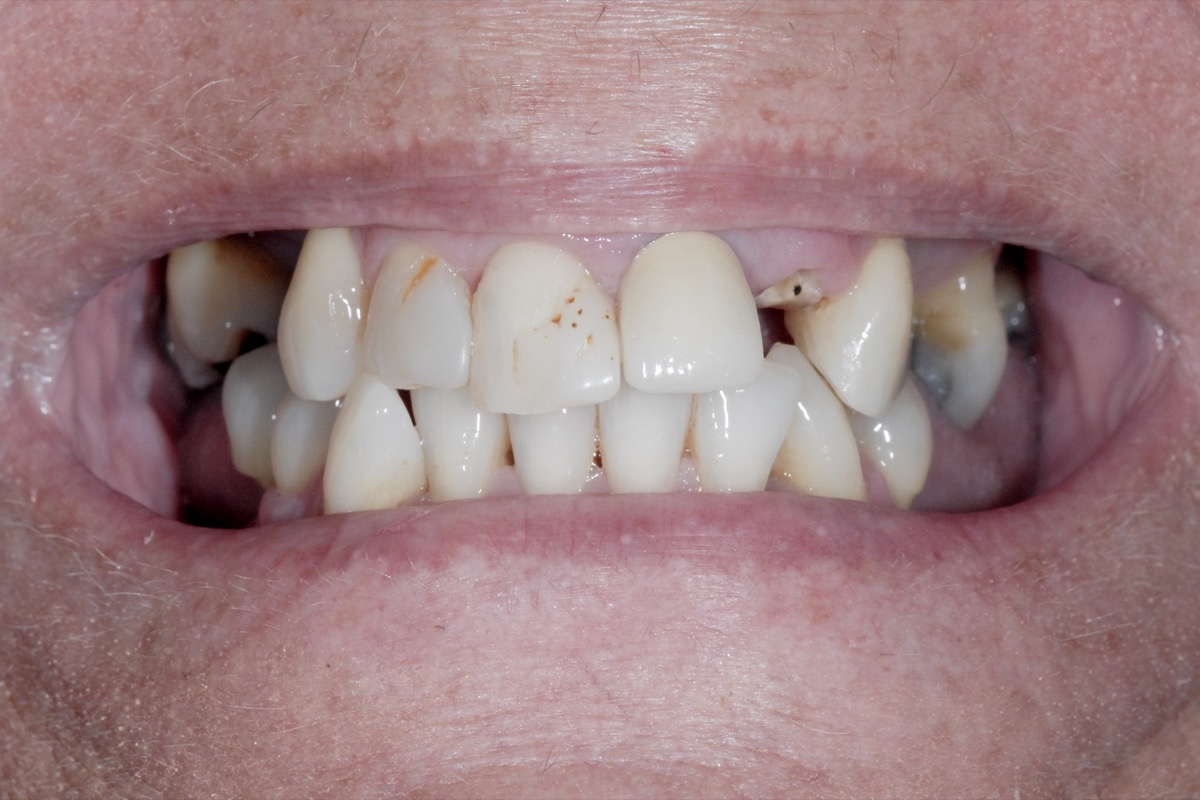
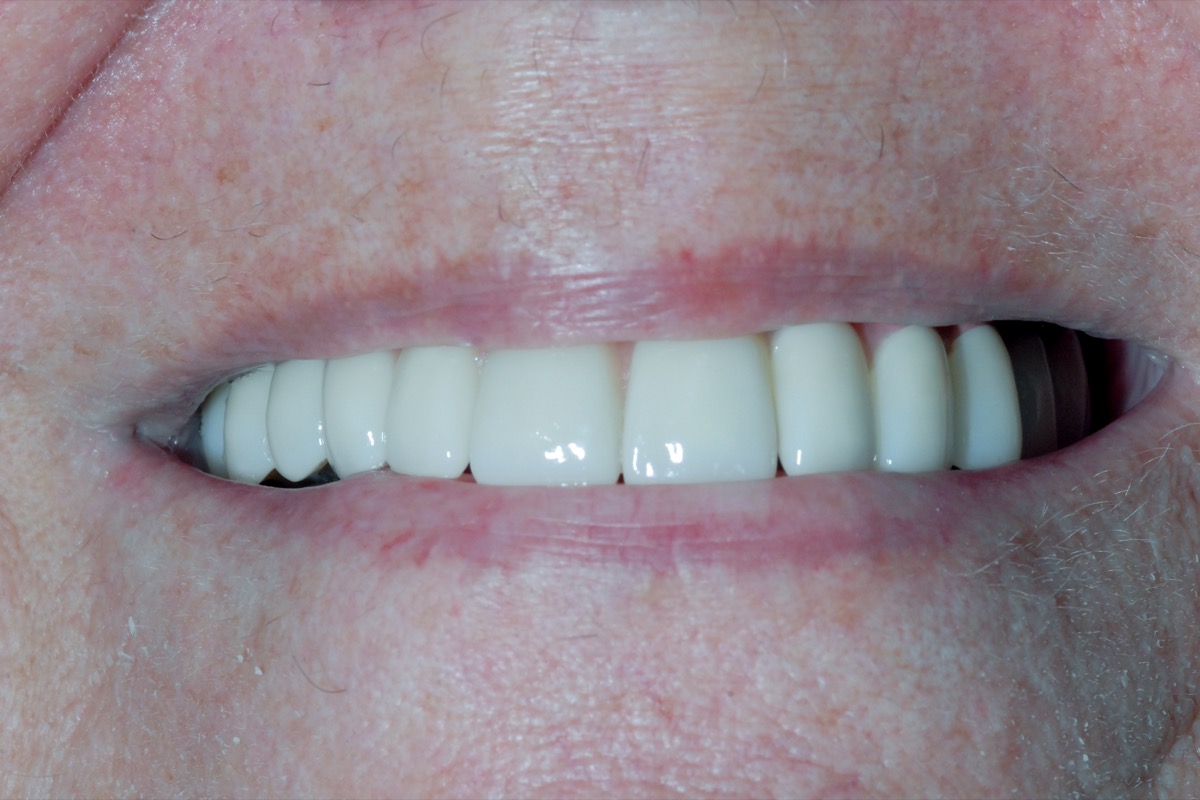
Upper & Lower Arches on All-on-6 implants
Crowding, chipping and discolouration together, with teeth already breaking. Rebuilding on six implants per arch resolves the alignment and the loss in one treatment, rather than straightening teeth that were failing anyway.
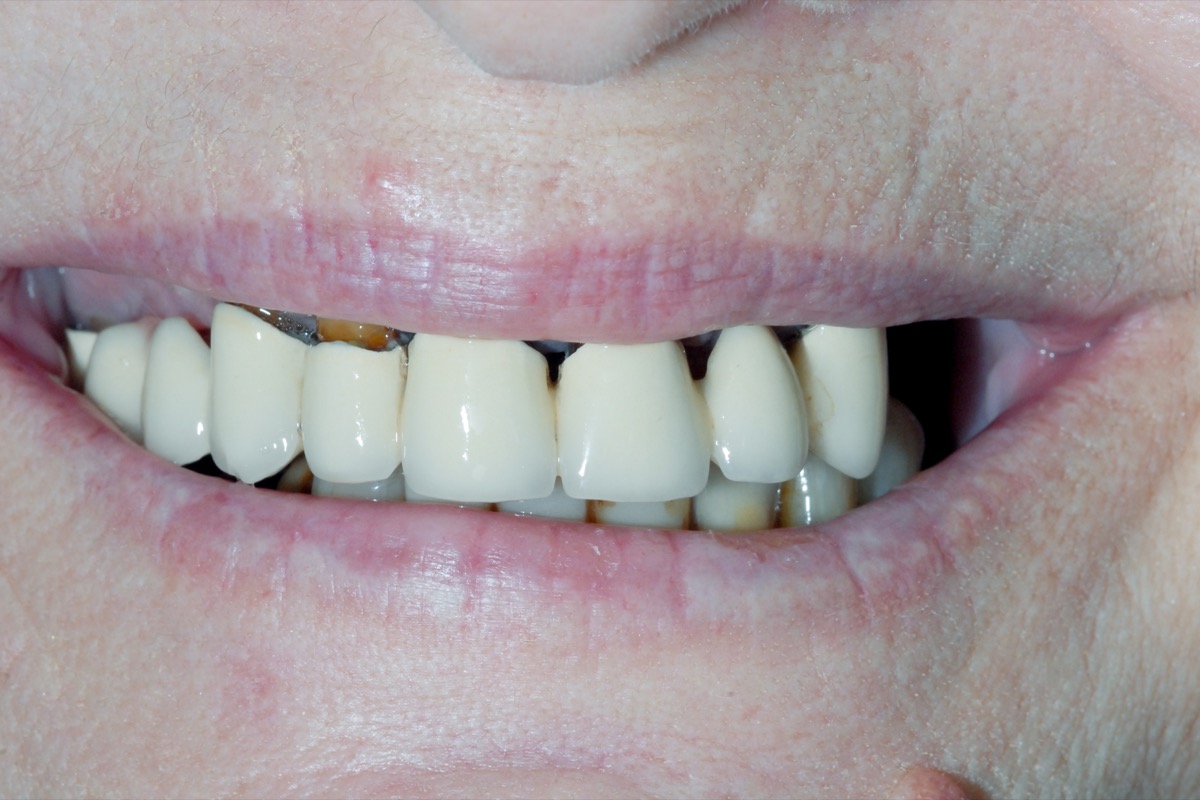
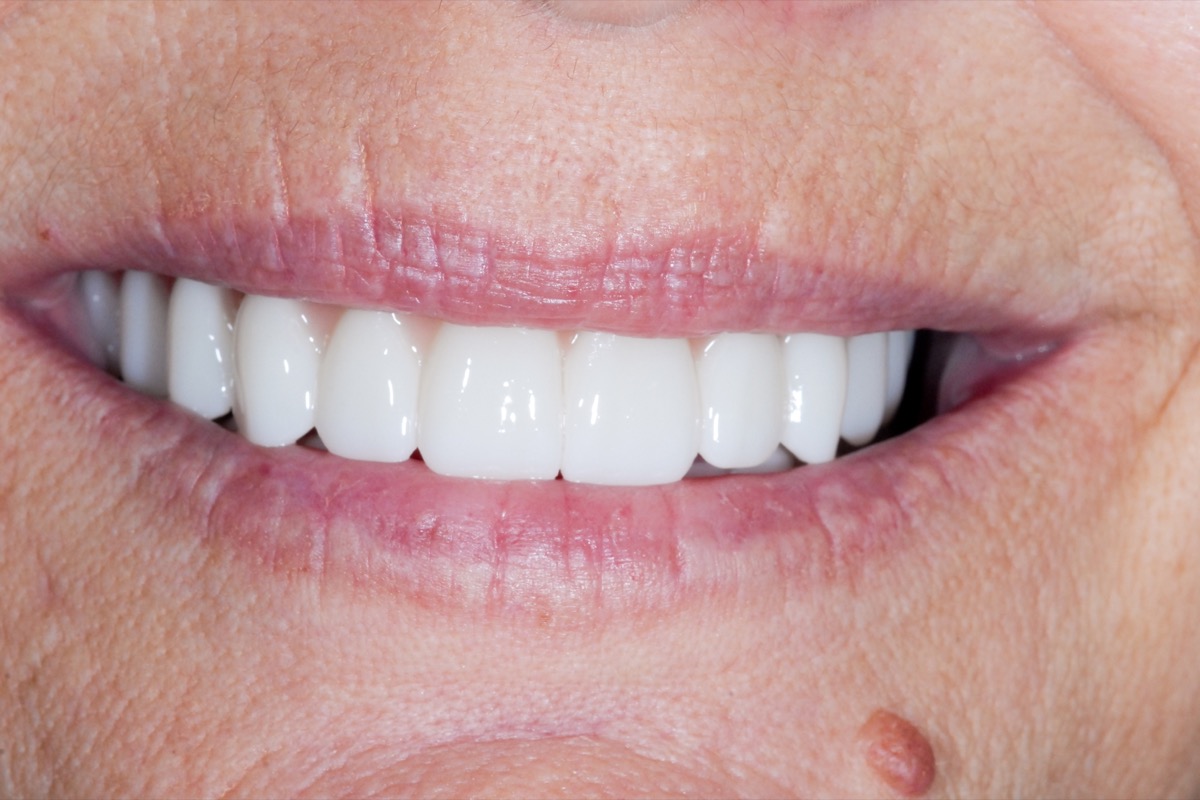
Upper & Lower Arches on All-on-6 implants
Older crowns and fillings failing at their margins, with decay tracking underneath. Where restorations have been repeatedly replaced and the underlying teeth are running out, rebuilding both arches on implants ends the cycle.
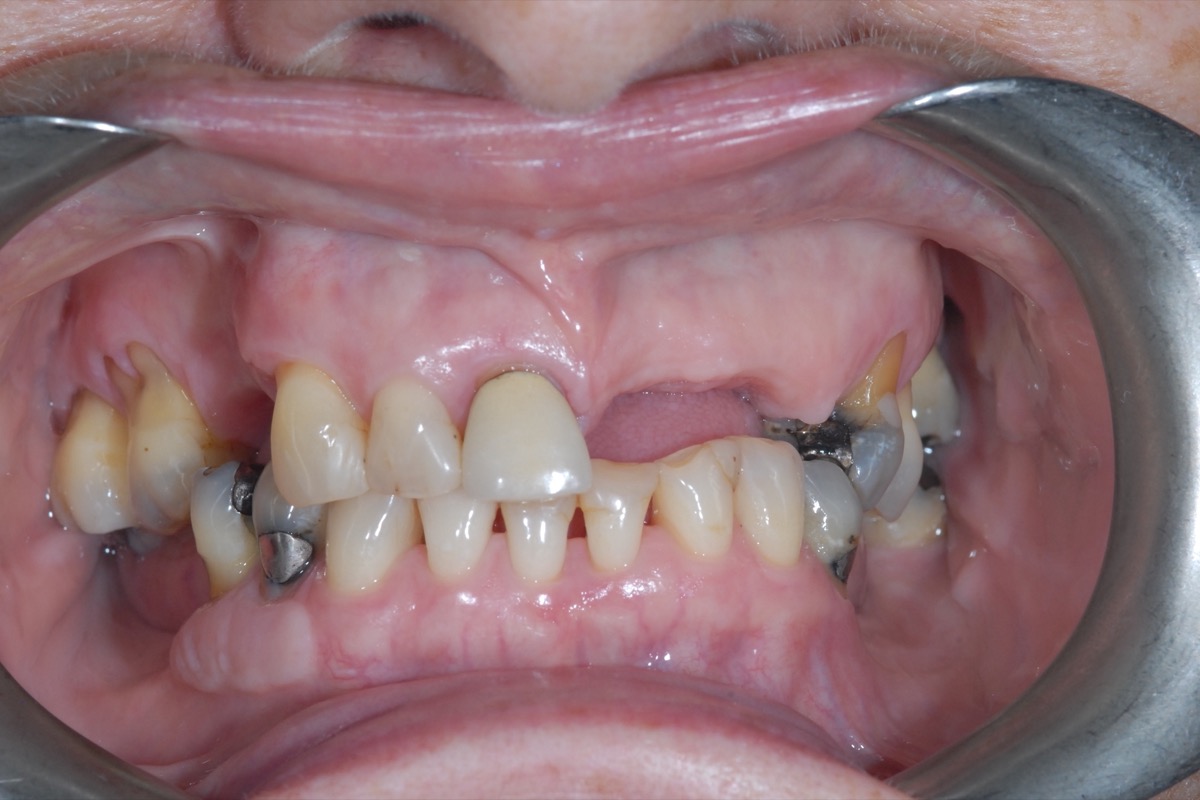
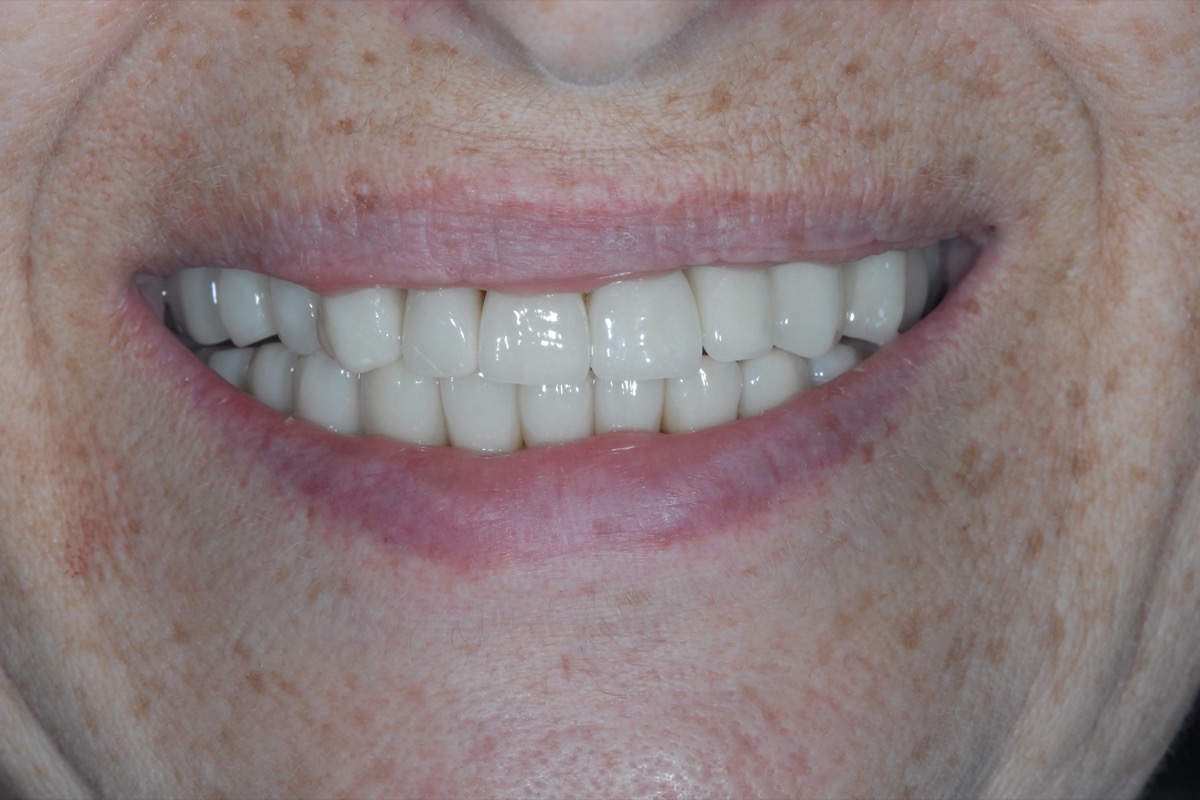
Single implants, computer-guided
Single implants placed with computer guidance, each replacing one tooth, as part of rebuilding the whole mouth. Replacing teeth individually keeps the healthy ones doing their own work rather than carrying a bridge.
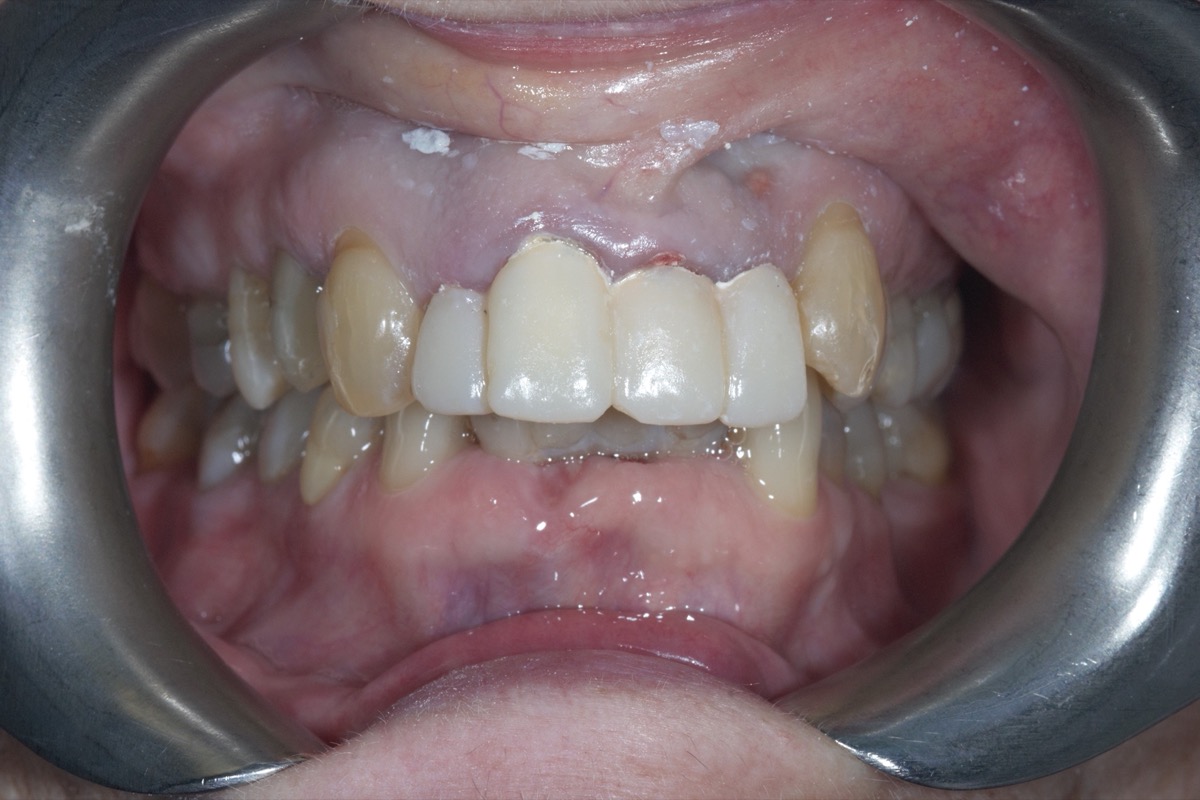
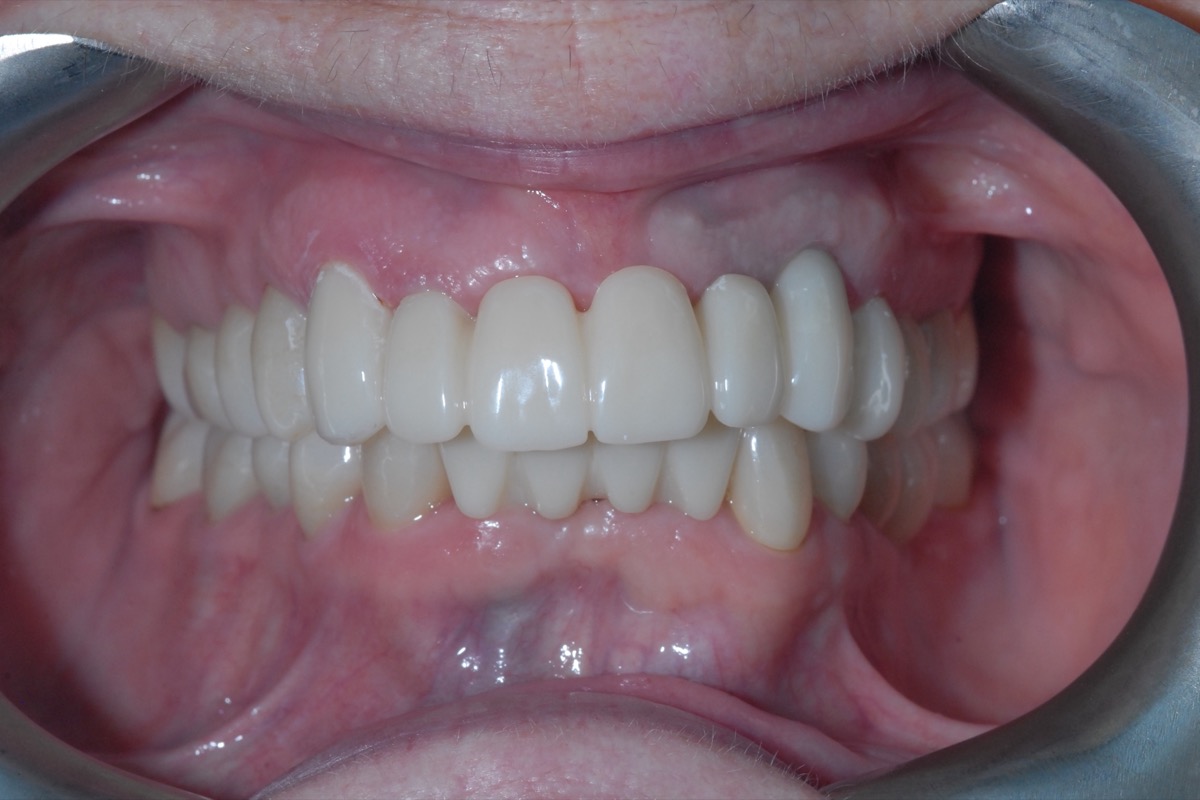
Implants with crowns on the remaining teeth
Implants replacing the teeth that could not be kept, and crowns rebuilding those that could. Treating each tooth on its own merits is what keeps the work as conservative as the result allows.
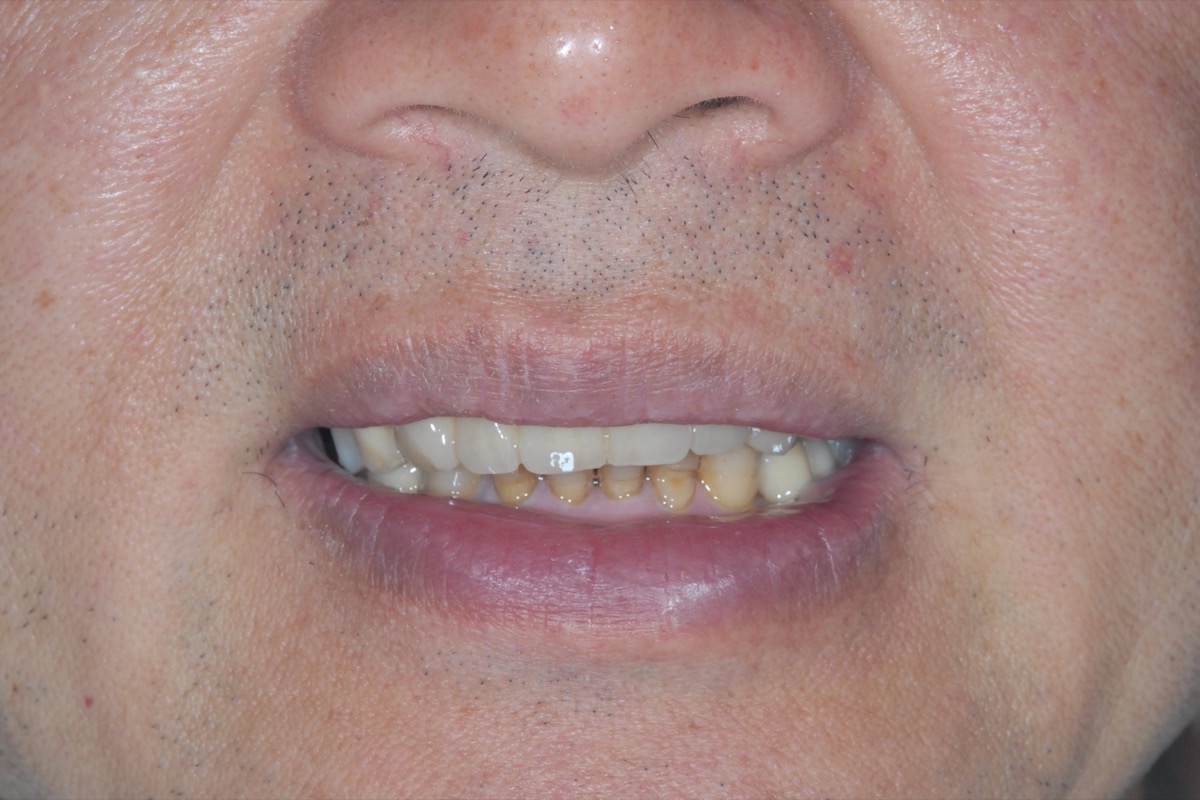
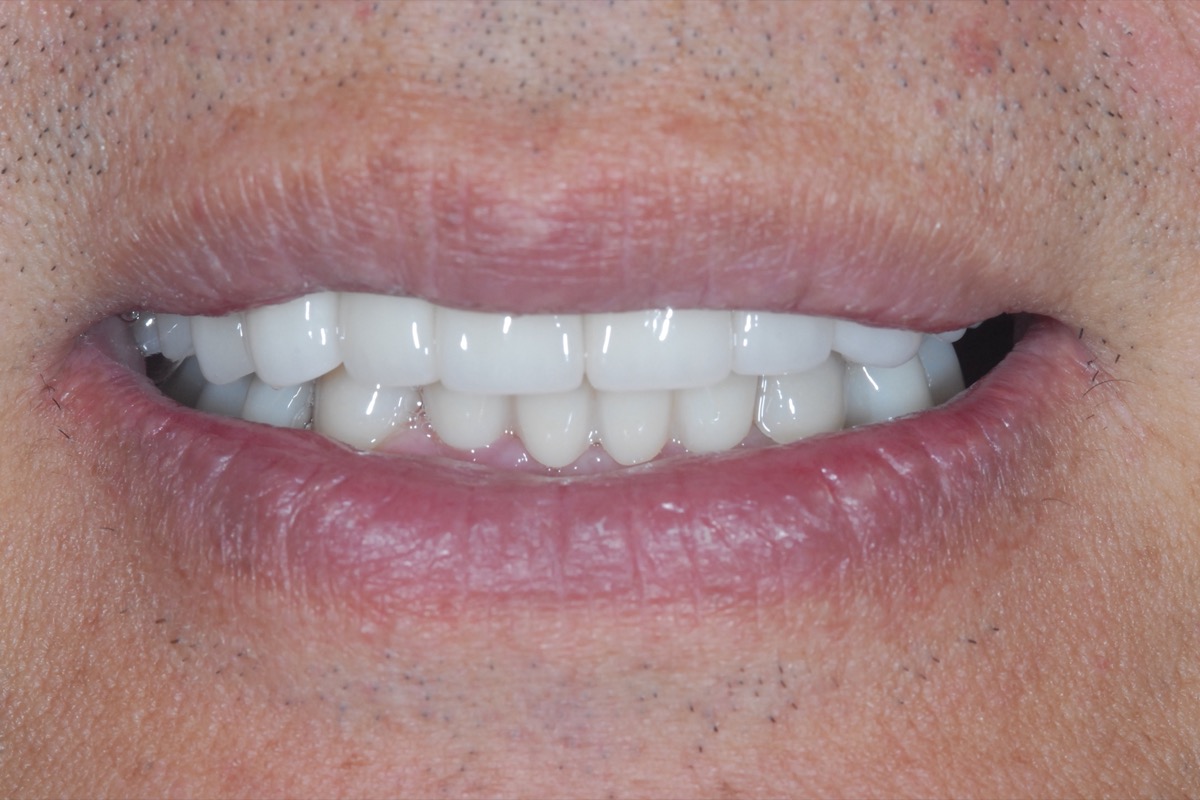
Implants with crowns, upper and lower
Implants where teeth had been lost and crowns where they could be saved, across both arches, restoring the bite as a whole rather than one arch at a time.
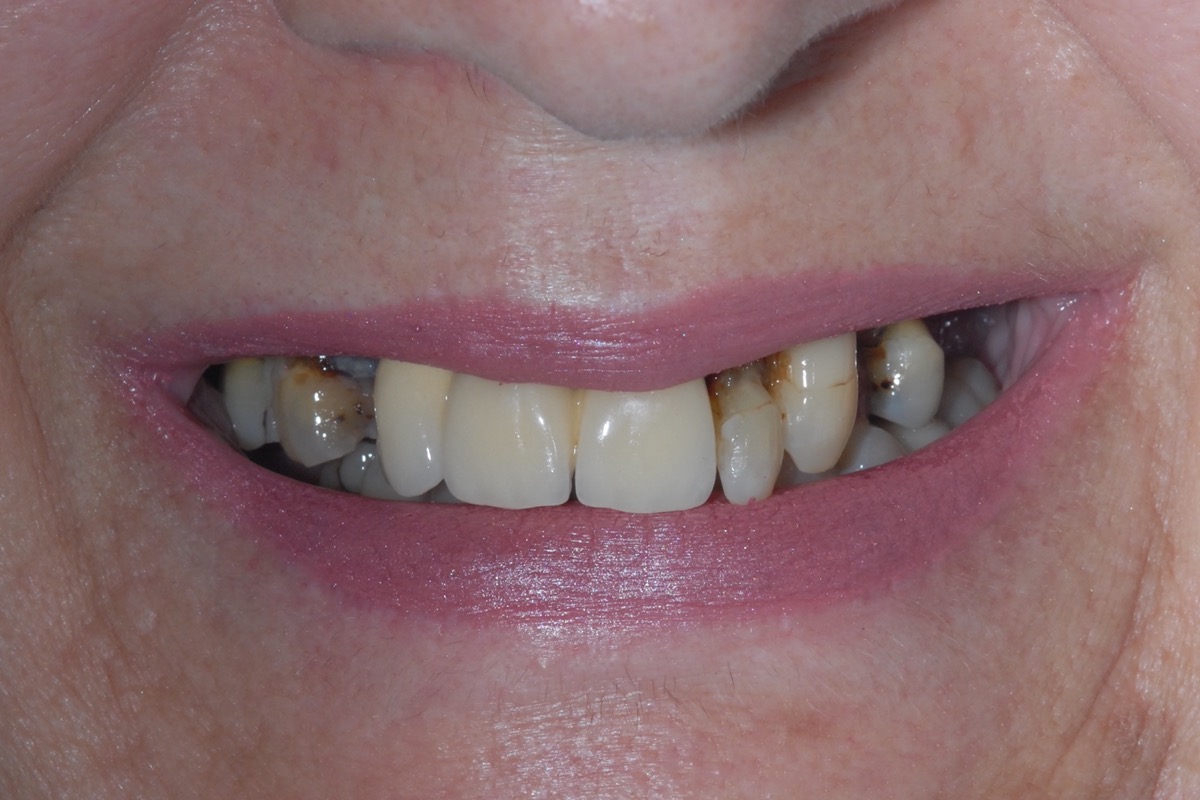
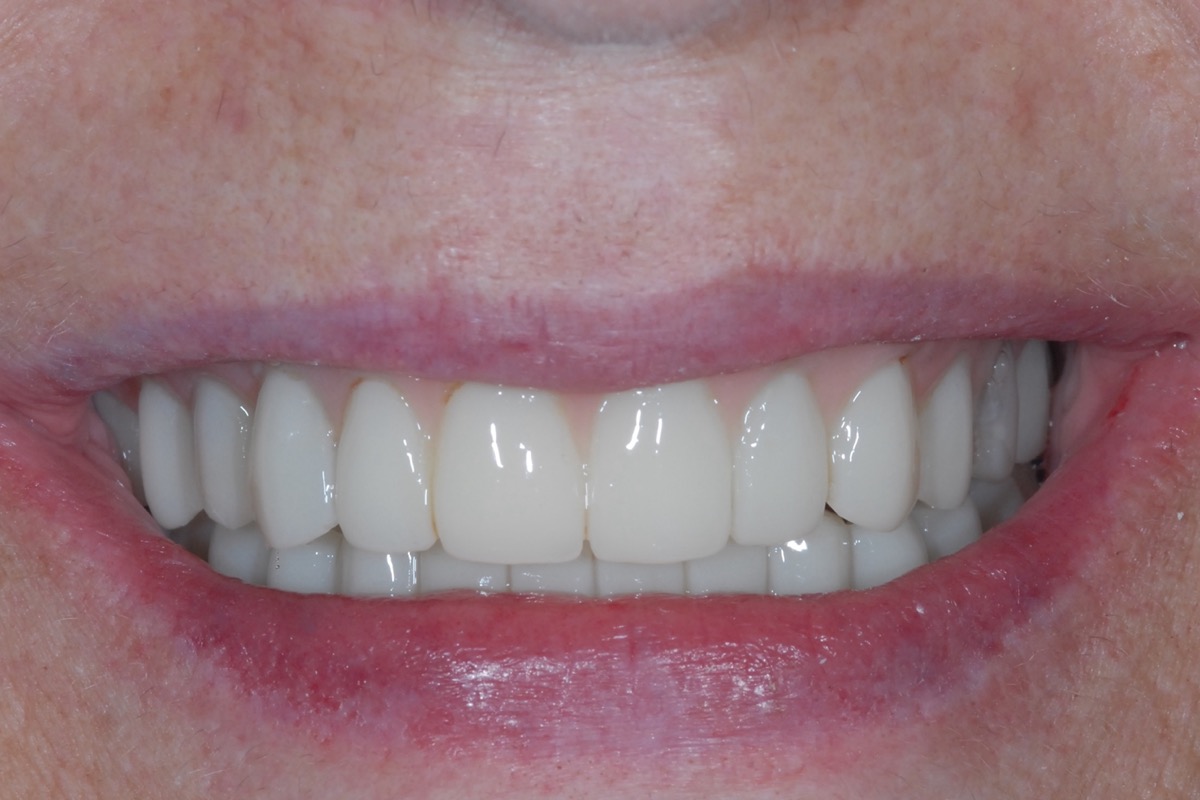
Placed and restored in one appointment
Implants placed and teeth fitted in a single appointment, so the patient did not leave without a smile. Whether this is possible depends on the bone available to hold the implants firmly from the outset.
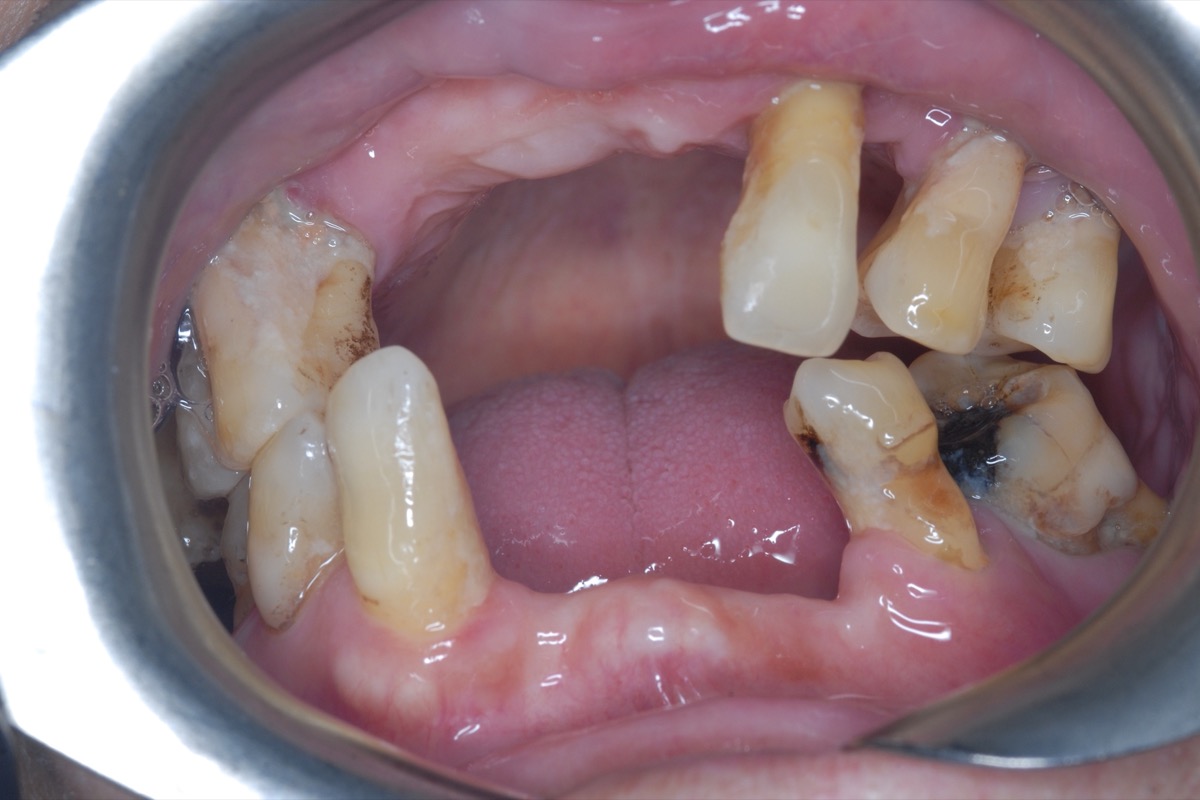
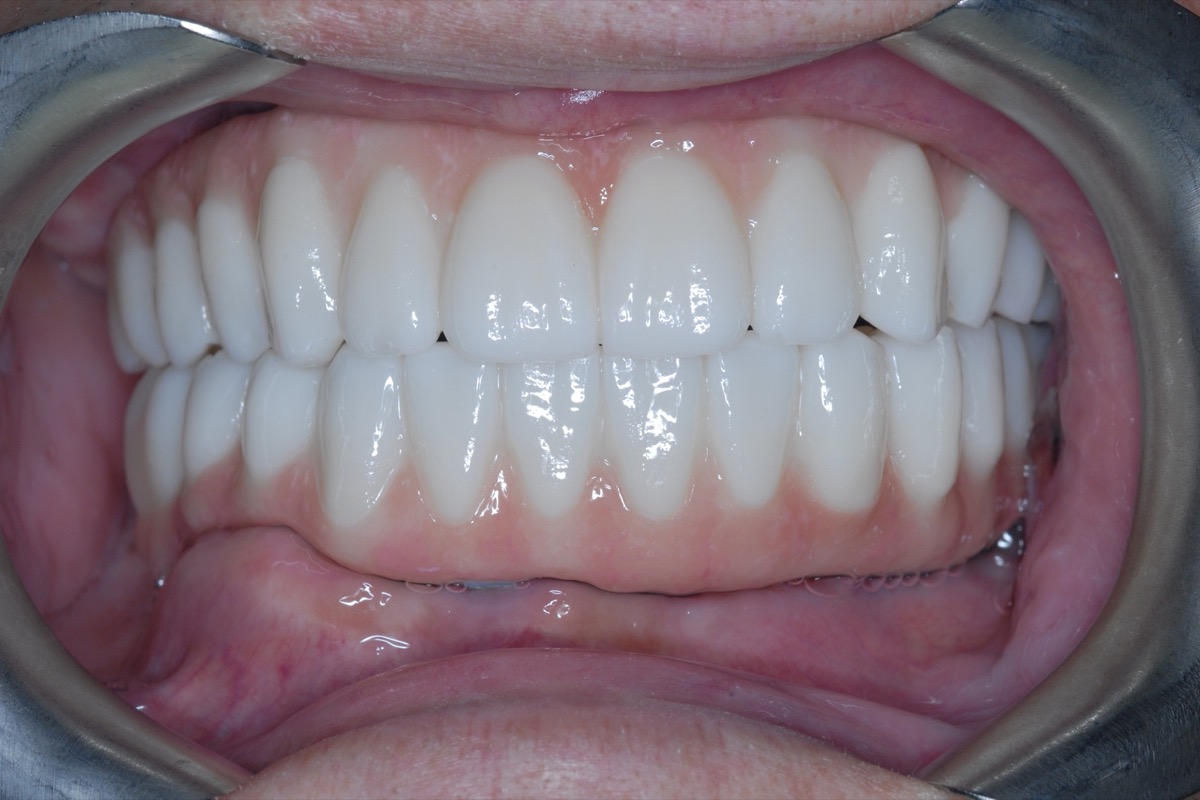
Upper & lower arches — only a few broken teeth remaining
Treated for only a few broken teeth remaining. Six implants in each arch carrying a full-arch bridge, upper and lower. The bridge is fixed for the patient and cleaned like natural teeth; it is made retrievable so we can take it off for maintenance rather than cut it away, which is how every bridge we design is built.
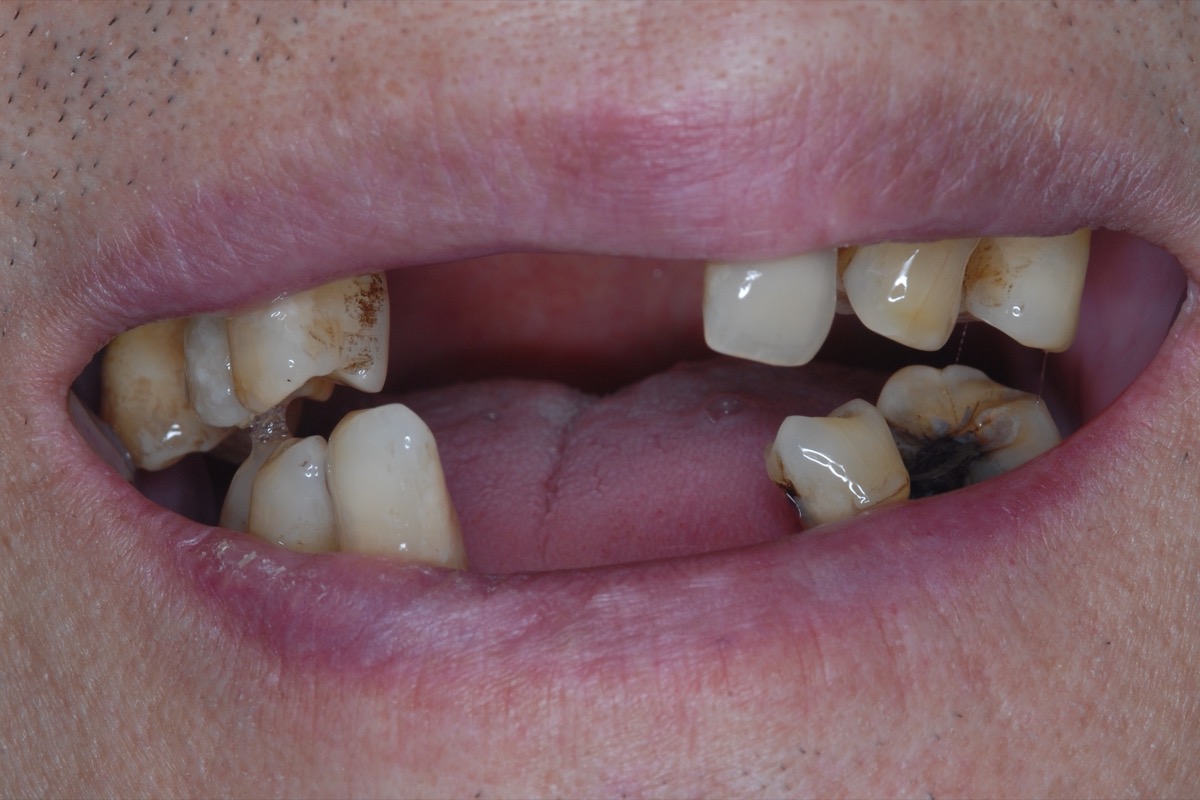
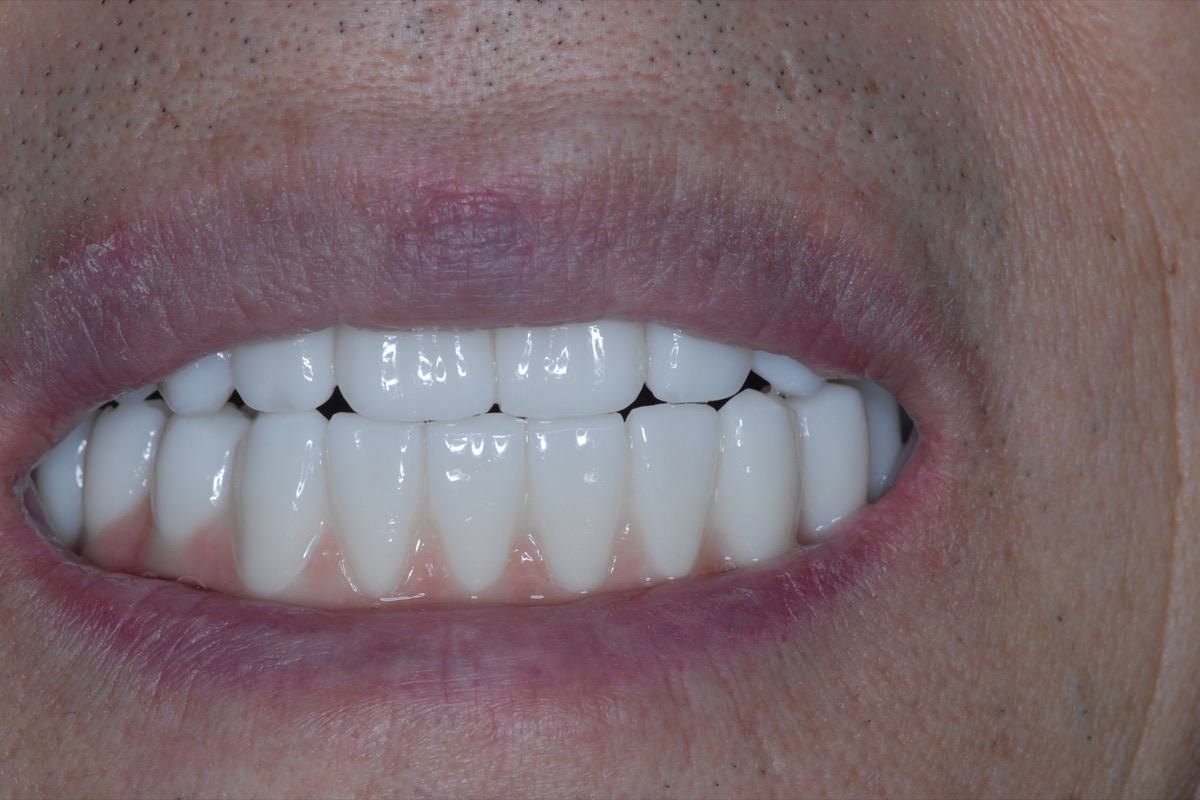
Upper & lower arches — decay and missing teeth
Treated for decay and missing teeth. Six implants in each arch carrying a full-arch bridge, upper and lower. The bridge is fixed for the patient and cleaned like natural teeth; it is made retrievable so we can take it off for maintenance rather than cut it away, which is how every bridge we design is built.
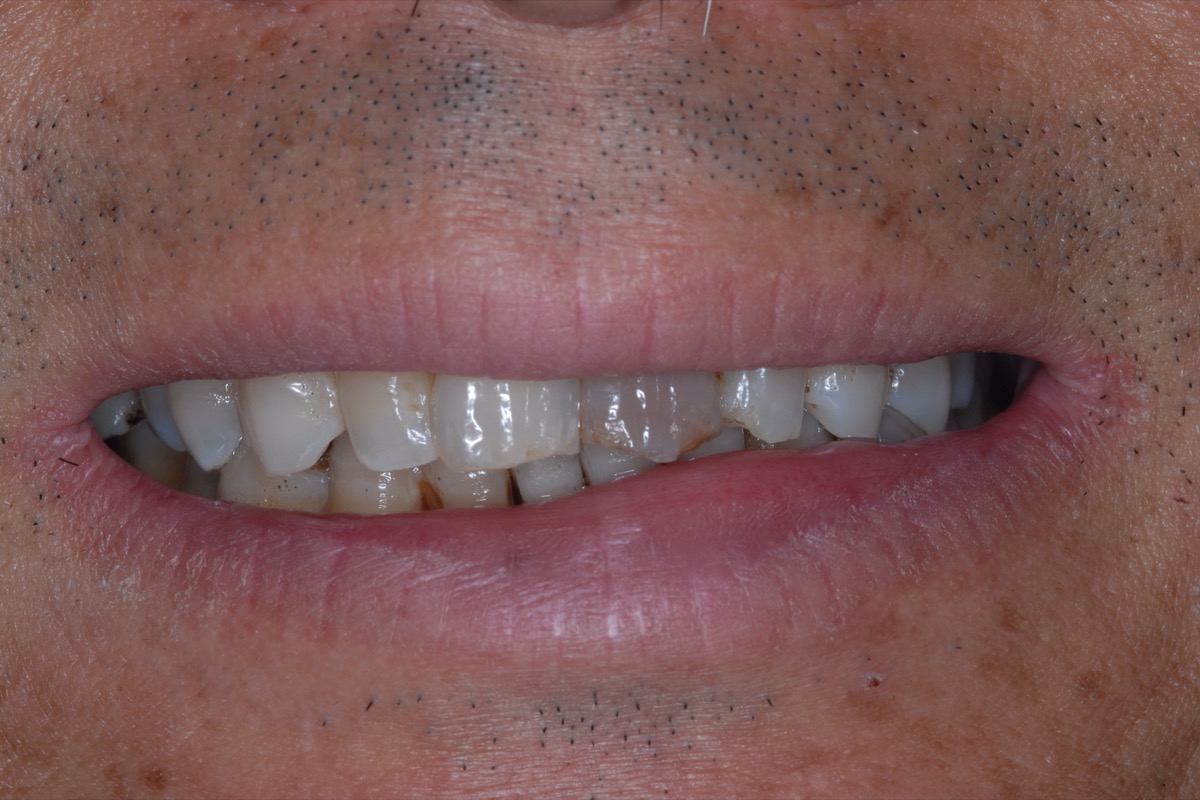
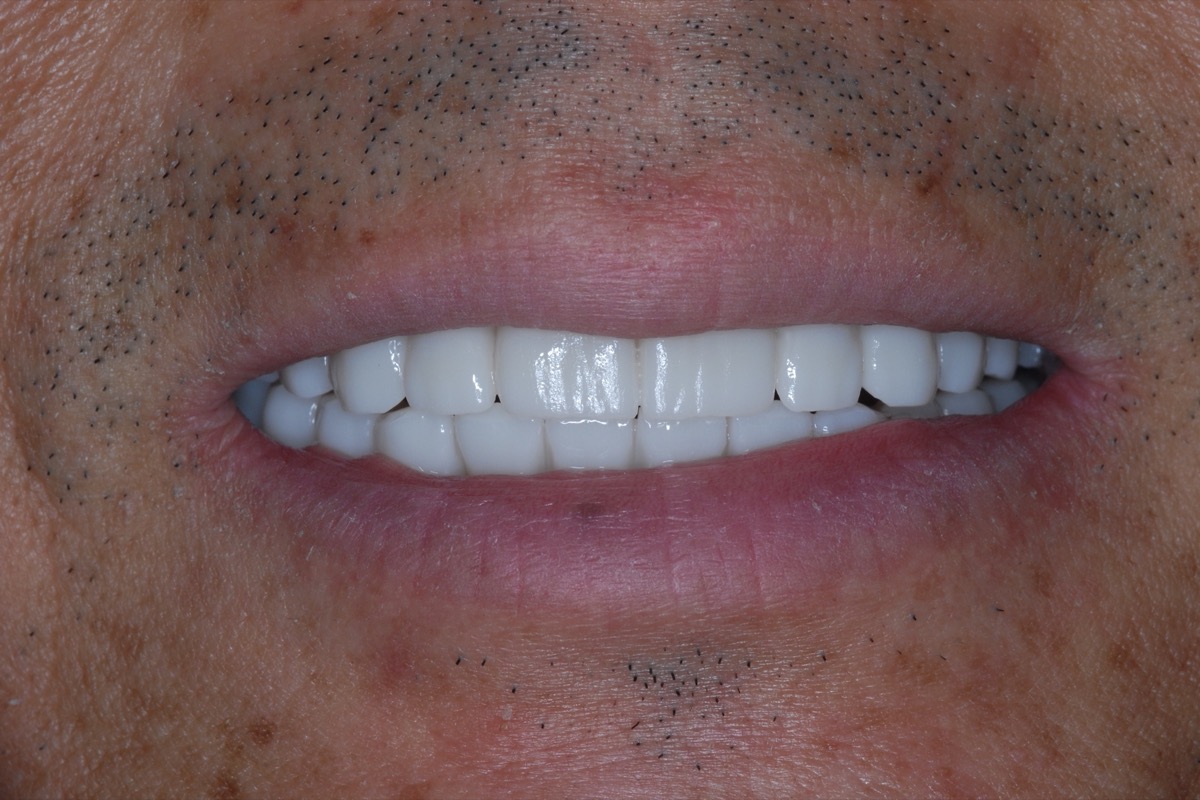
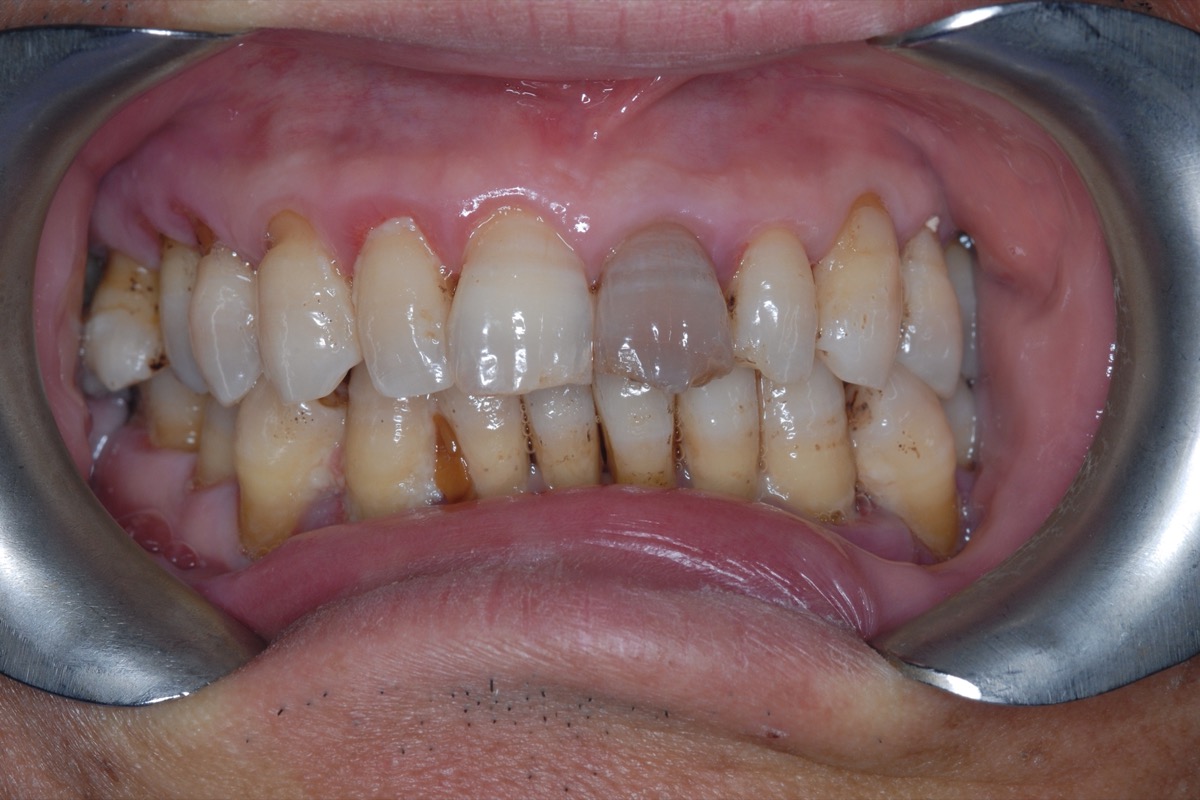
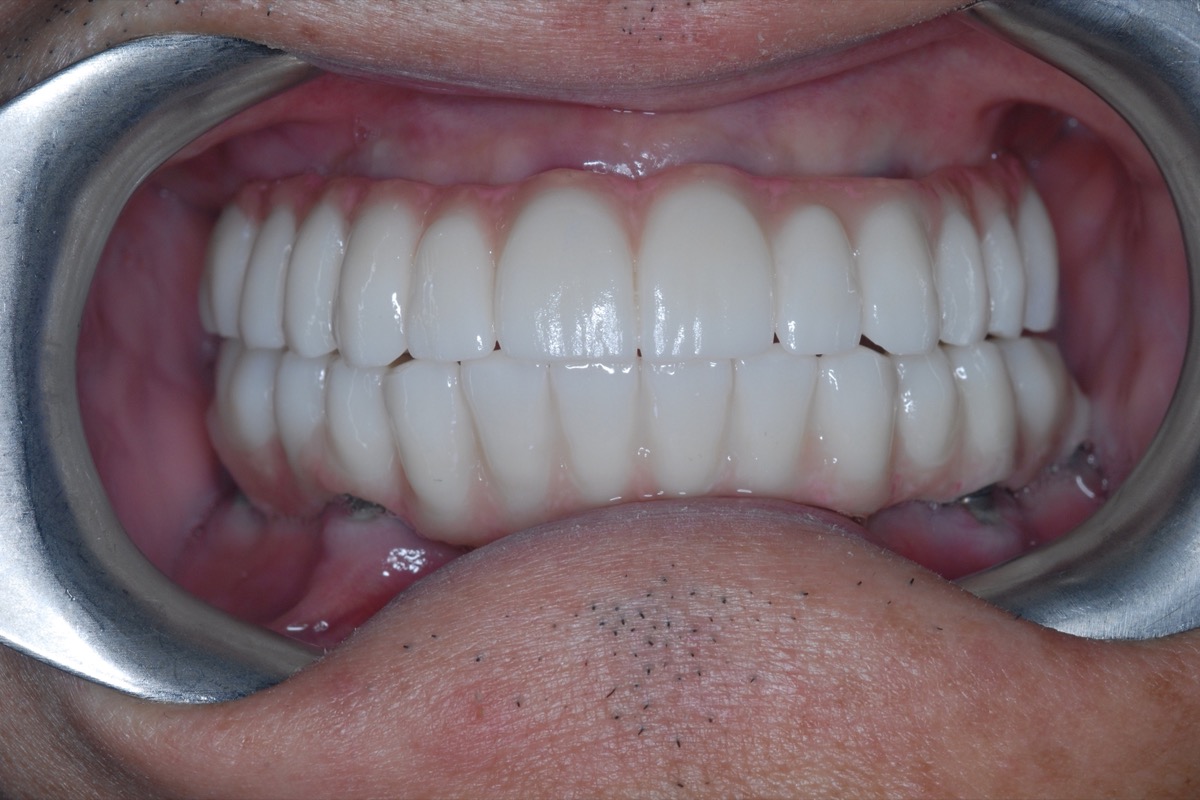
Upper & lower arches — discoloured and uneven teeth
Treated for discoloured and uneven teeth, one of them darkened. Six implants in each arch carrying a full-arch bridge, upper and lower. The bridge is fixed for the patient and cleaned like natural teeth; it is made retrievable so we can take it off for maintenance rather than cut it away, which is how every bridge we design is built.
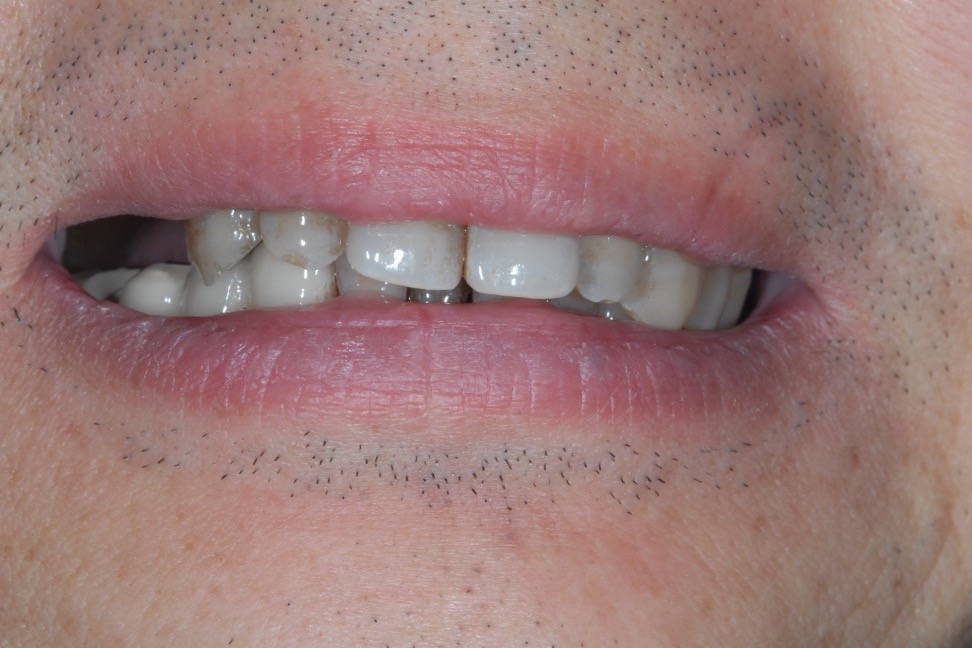
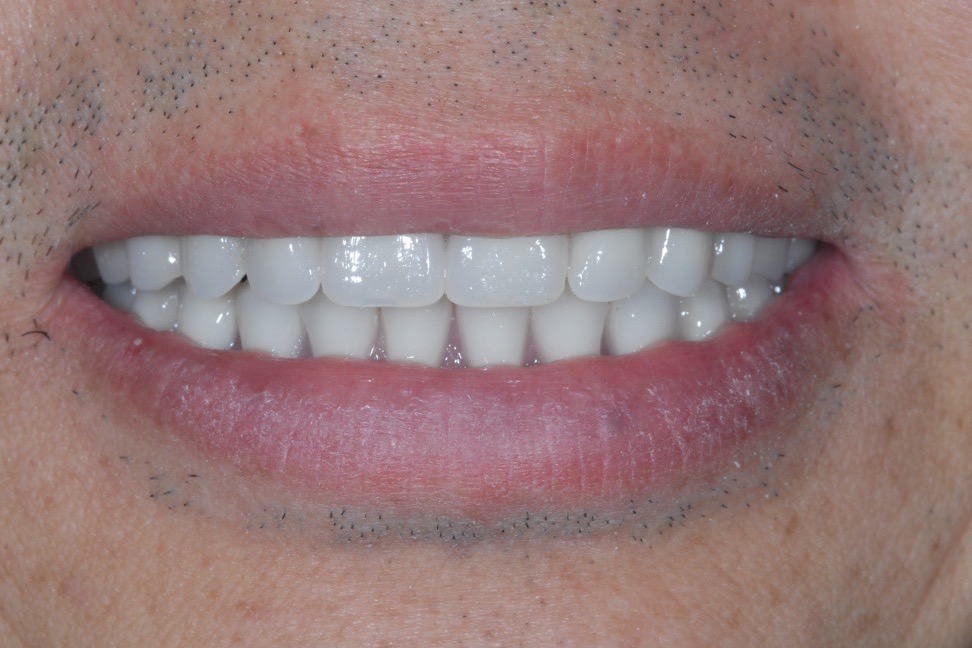
Upper & lower arches — dark margins and missing back teeth
Treated for dark margins and missing back teeth. Six implants in each arch carrying a full-arch bridge, upper and lower. The bridge is fixed for the patient and cleaned like natural teeth; it is made retrievable so we can take it off for maintenance rather than cut it away, which is how every bridge we design is built.
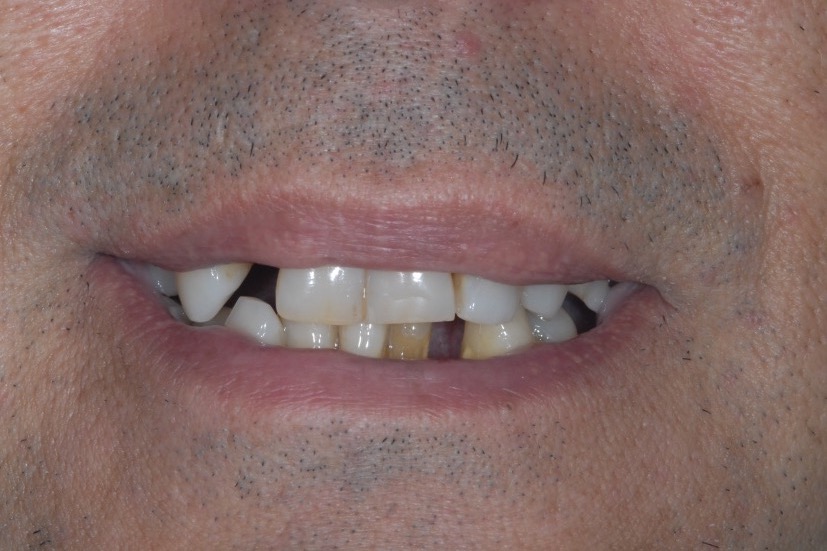
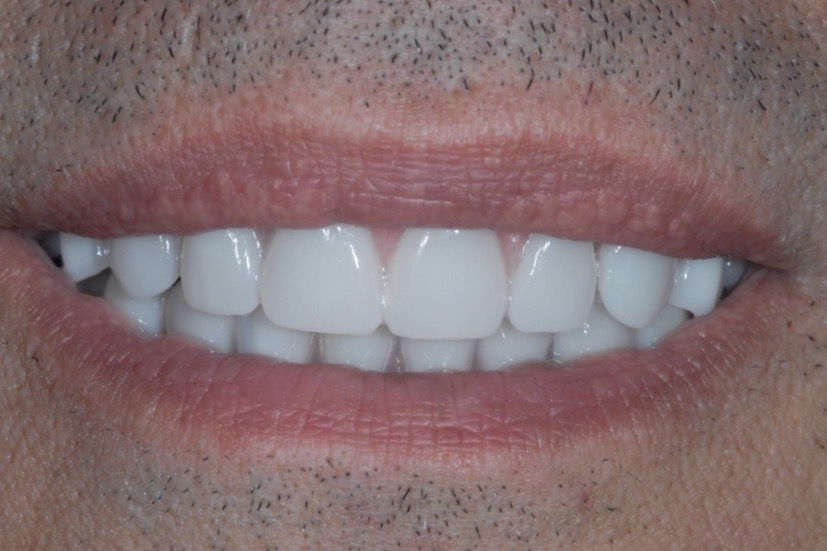
Upper & lower arches — gaps and uneven edges
Treated for gaps and uneven edges. Six implants in each arch carrying a full-arch bridge, upper and lower. The bridge is fixed for the patient and cleaned like natural teeth; it is made retrievable so we can take it off for maintenance rather than cut it away, which is how every bridge we design is built.
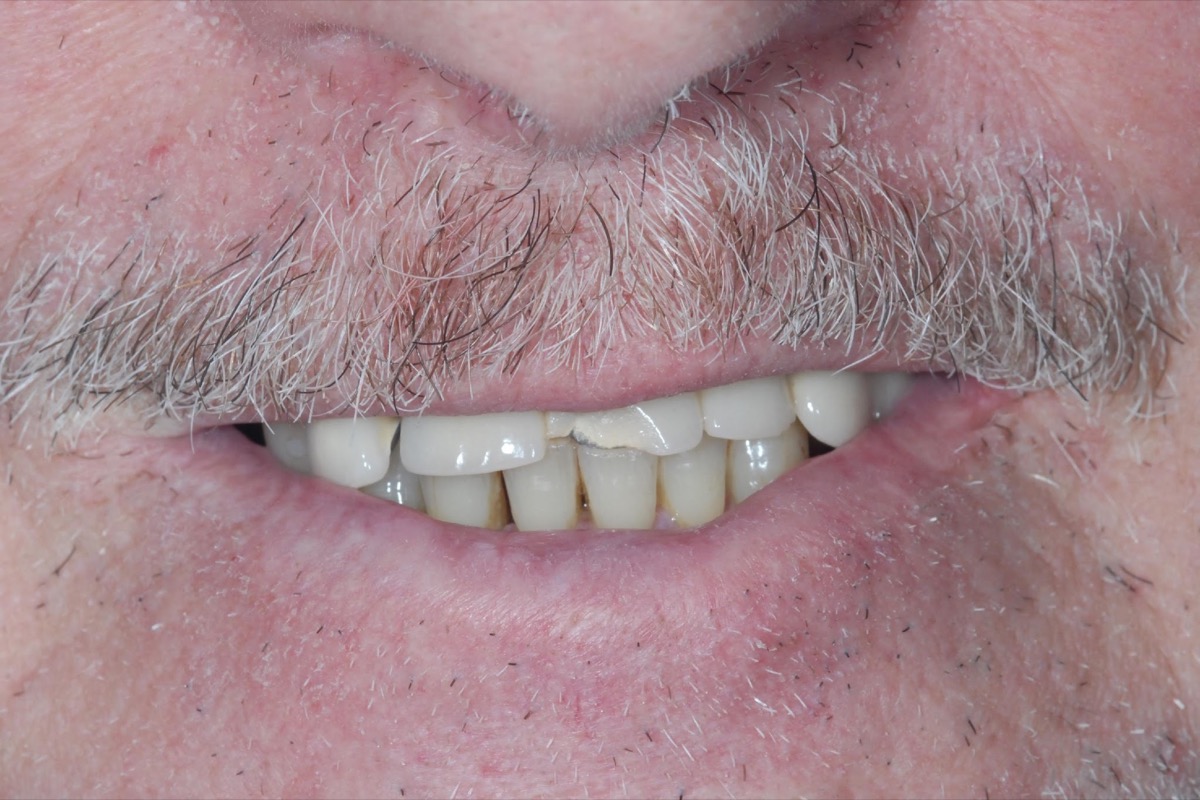
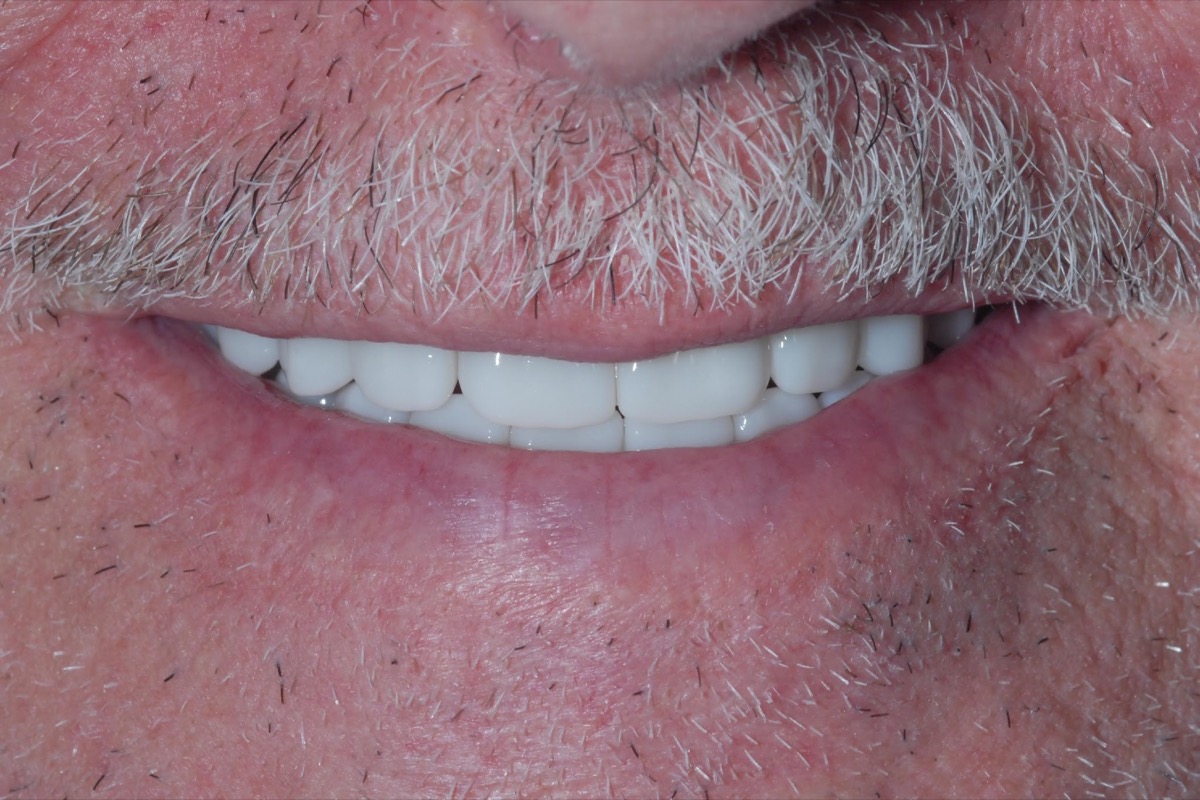
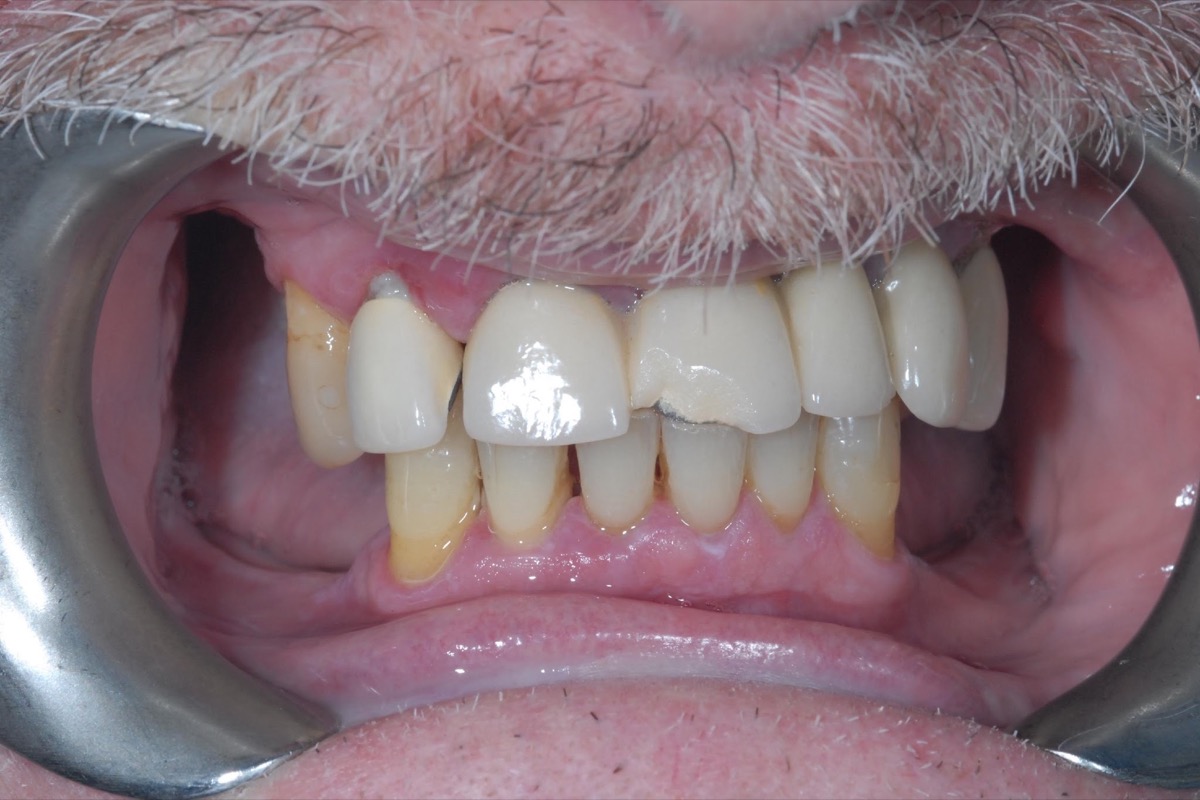
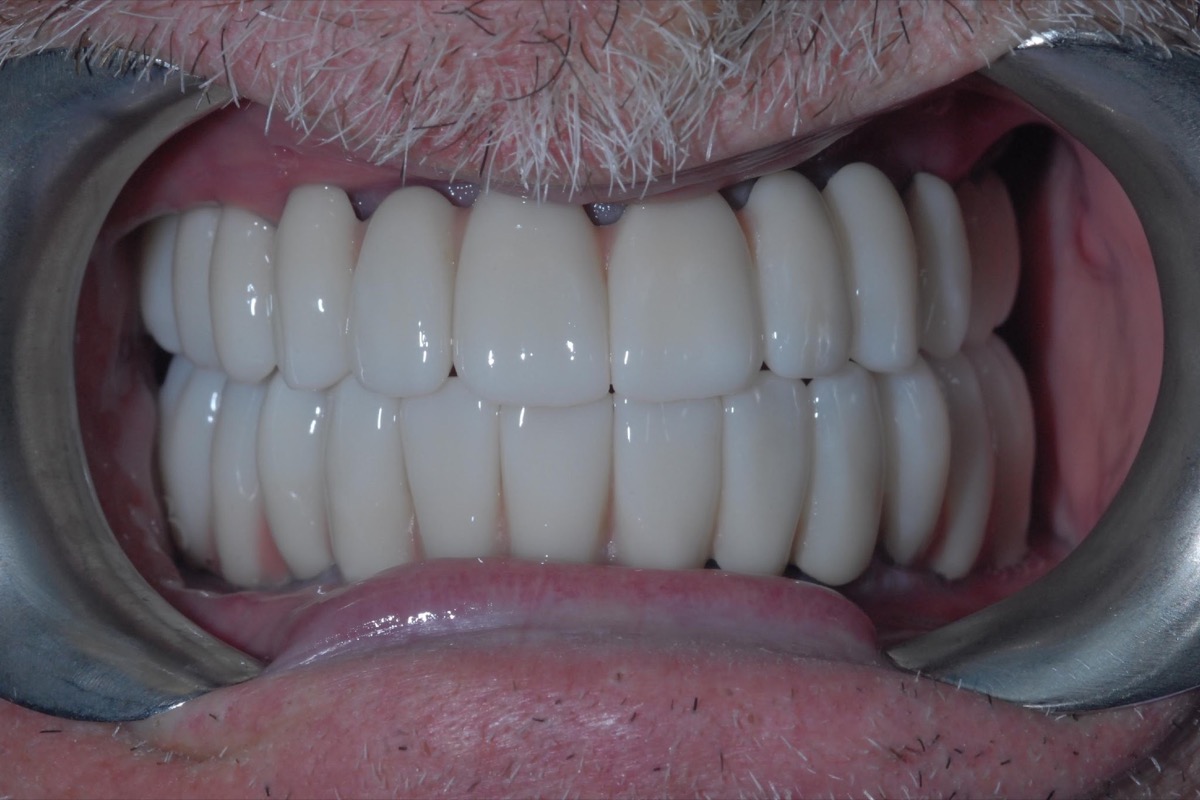
Upper & lower arches — heavy wear with the gums receded
Treated for heavy wear with the gums receded, the teeth worn short. Six implants in each arch carrying a full-arch bridge, upper and lower. The bridge is fixed for the patient and cleaned like natural teeth; it is made retrievable so we can take it off for maintenance rather than cut it away, which is how every bridge we design is built.
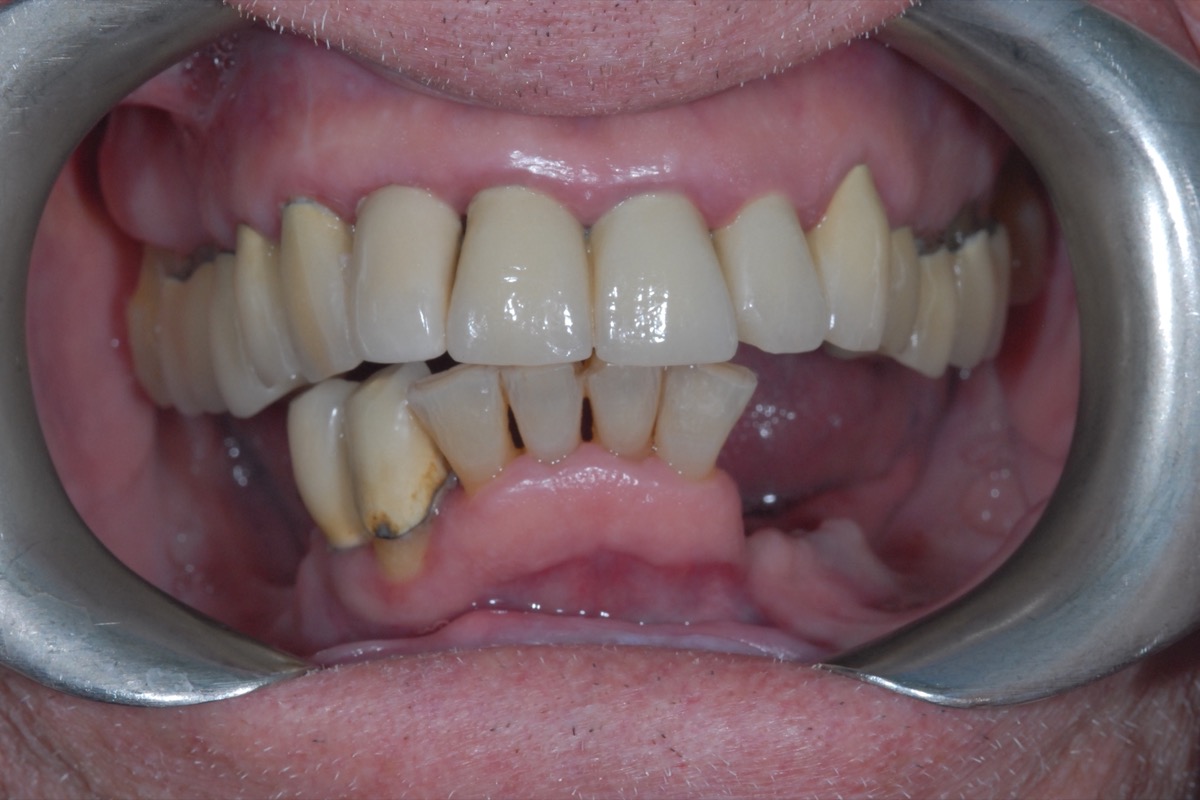
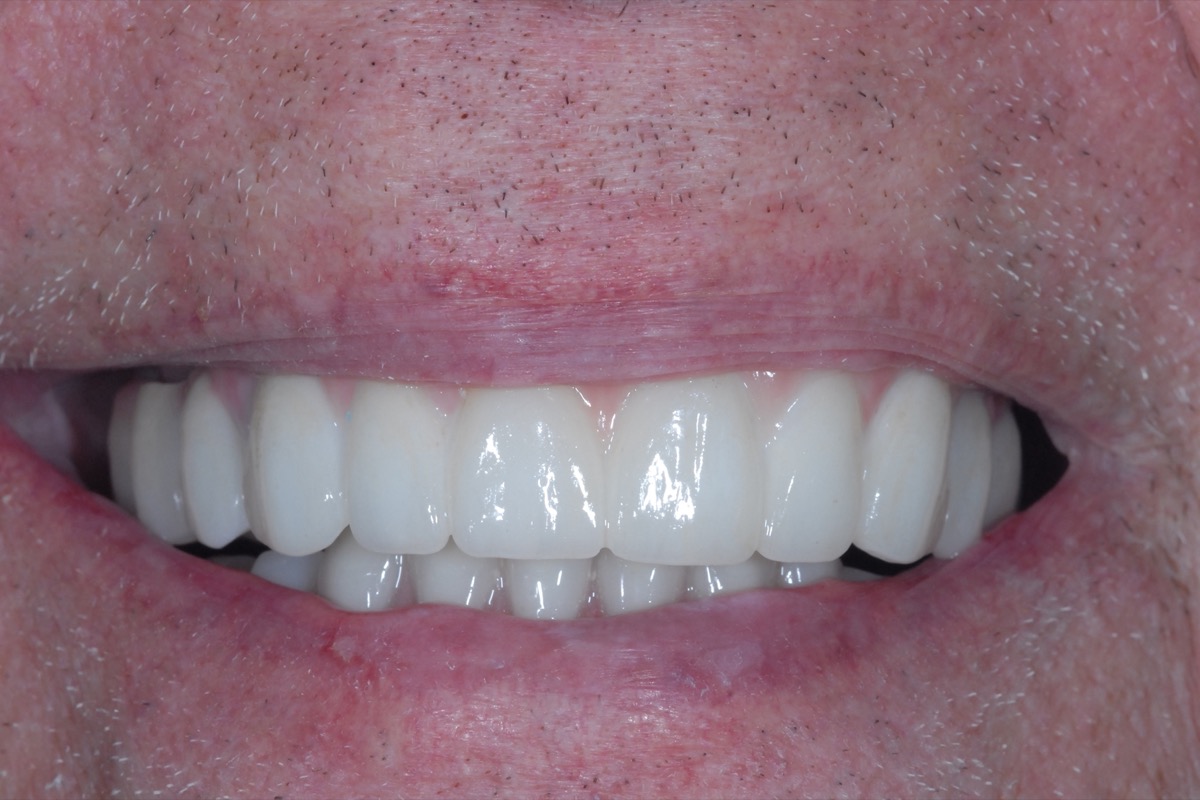
Upper & lower arches — crowding, wear and receding gums
Treated for crowding, wear and receding gums. Six implants in each arch carrying a full-arch bridge, upper and lower. The bridge is fixed for the patient and cleaned like natural teeth; it is made retrievable so we can take it off for maintenance rather than cut it away, which is how every bridge we design is built.
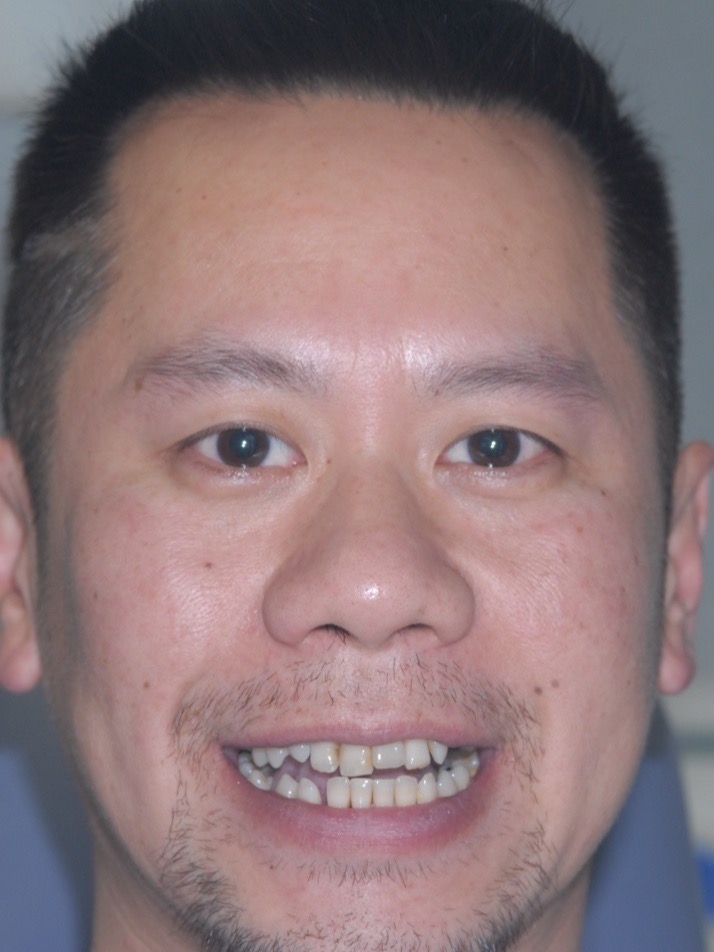
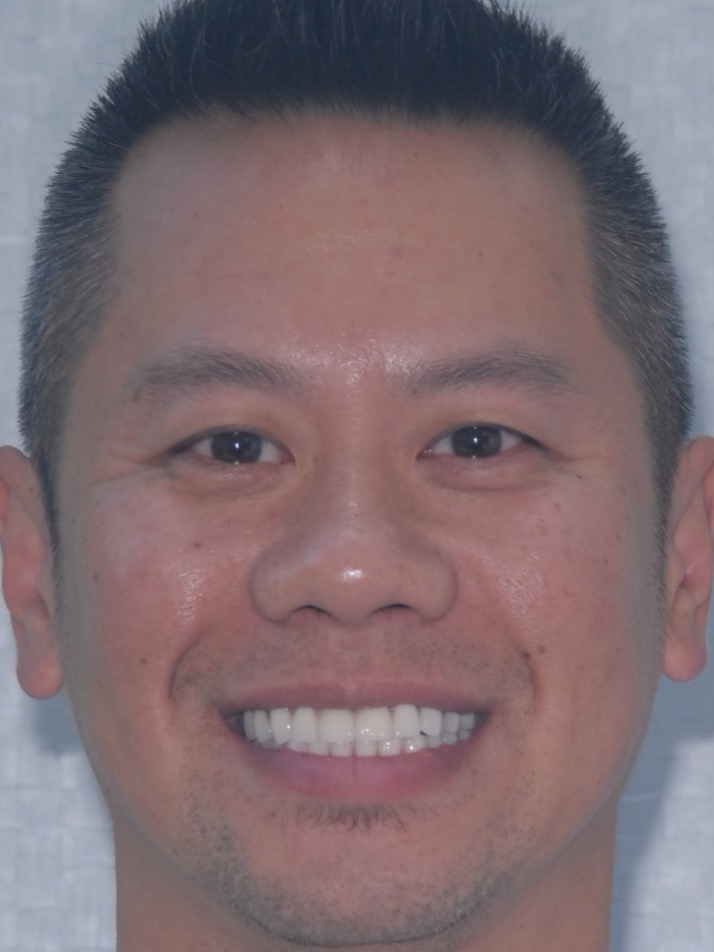
Upper & Lower Arches on All-on-6 implants
The same treatment as the cases above, photographed as a portrait rather than a smile. Restoring a collapsed bite gives the lower face back its height, which changes the whole face and not only the teeth.
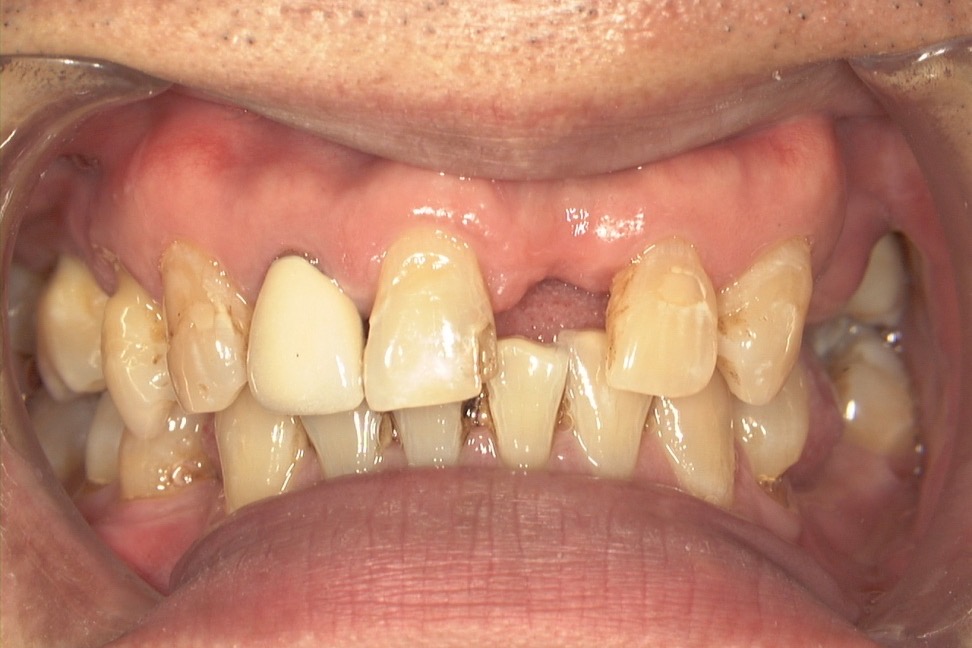
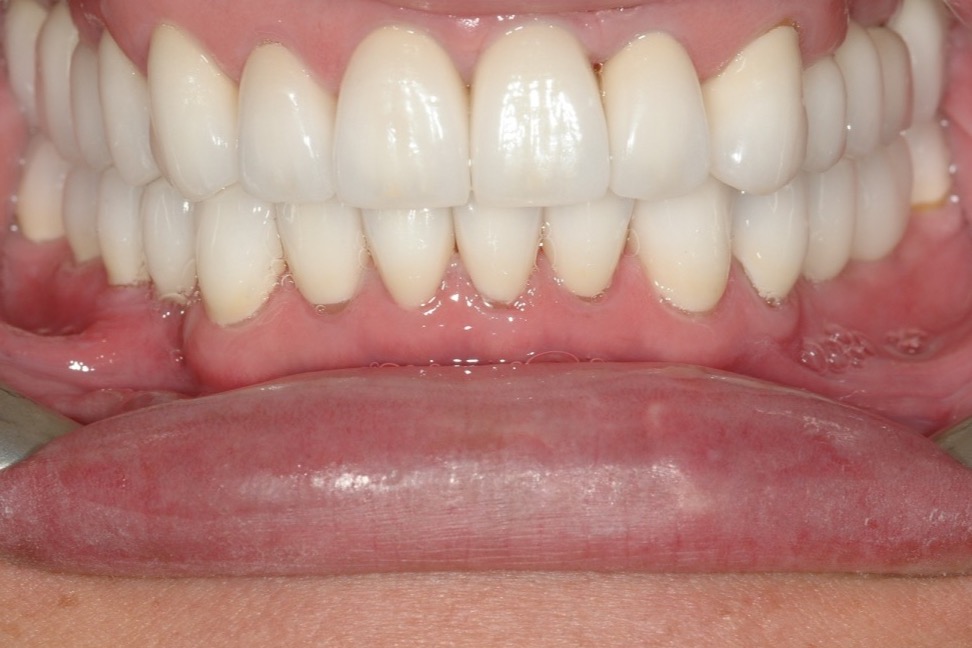
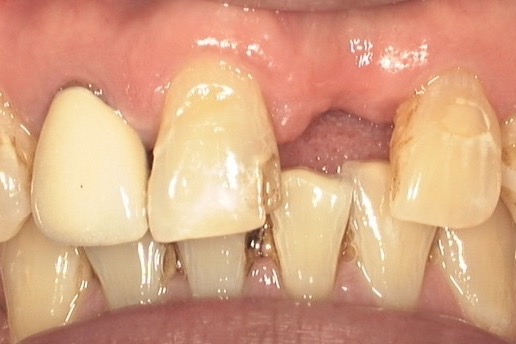
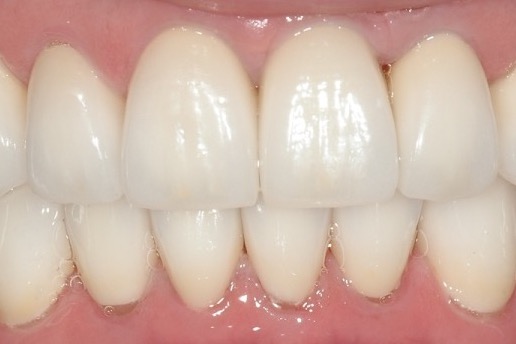
Upper & lower arches — teeth missing among teeth worth keeping
Implant-supported crowns where teeth were missing, with crowns and veneers on the teeth that remained, rebuilding the whole bite and opening it back to its proper height. Implants replace what is gone without touching what is sound — which is why this is not an all-or-nothing choice between keeping teeth and replacing them.
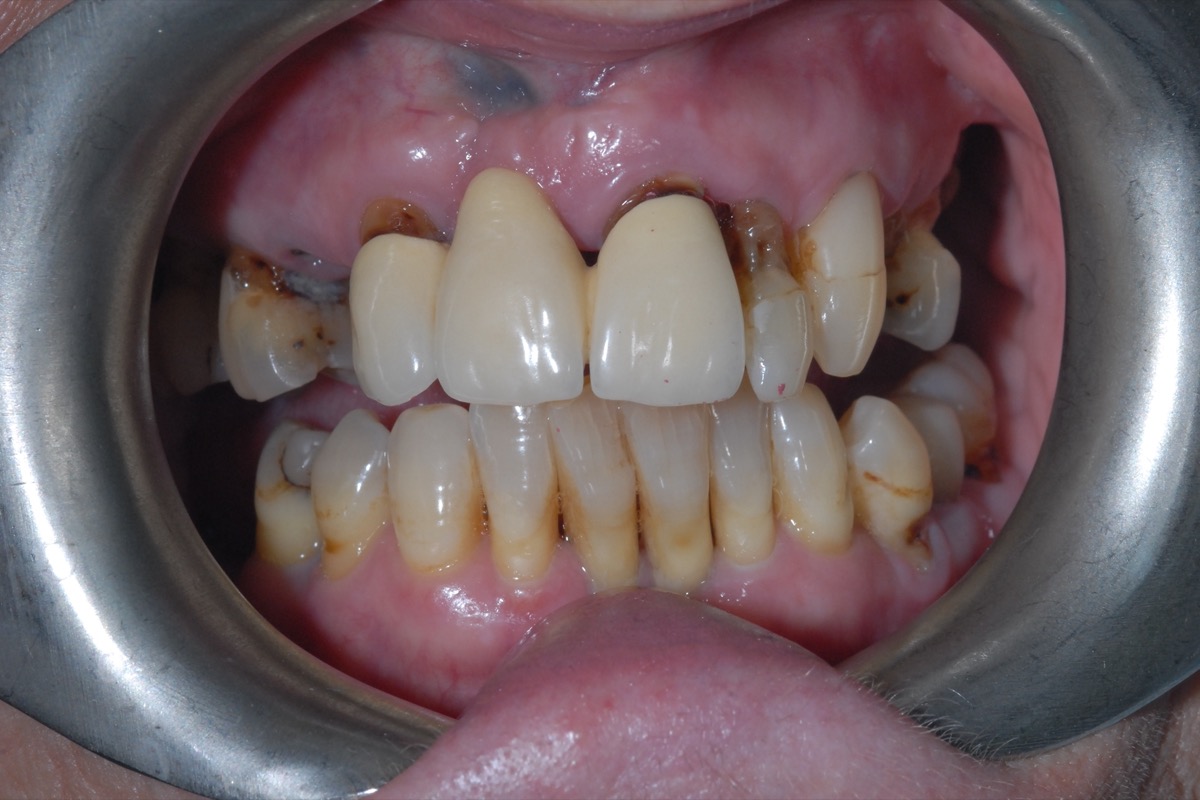
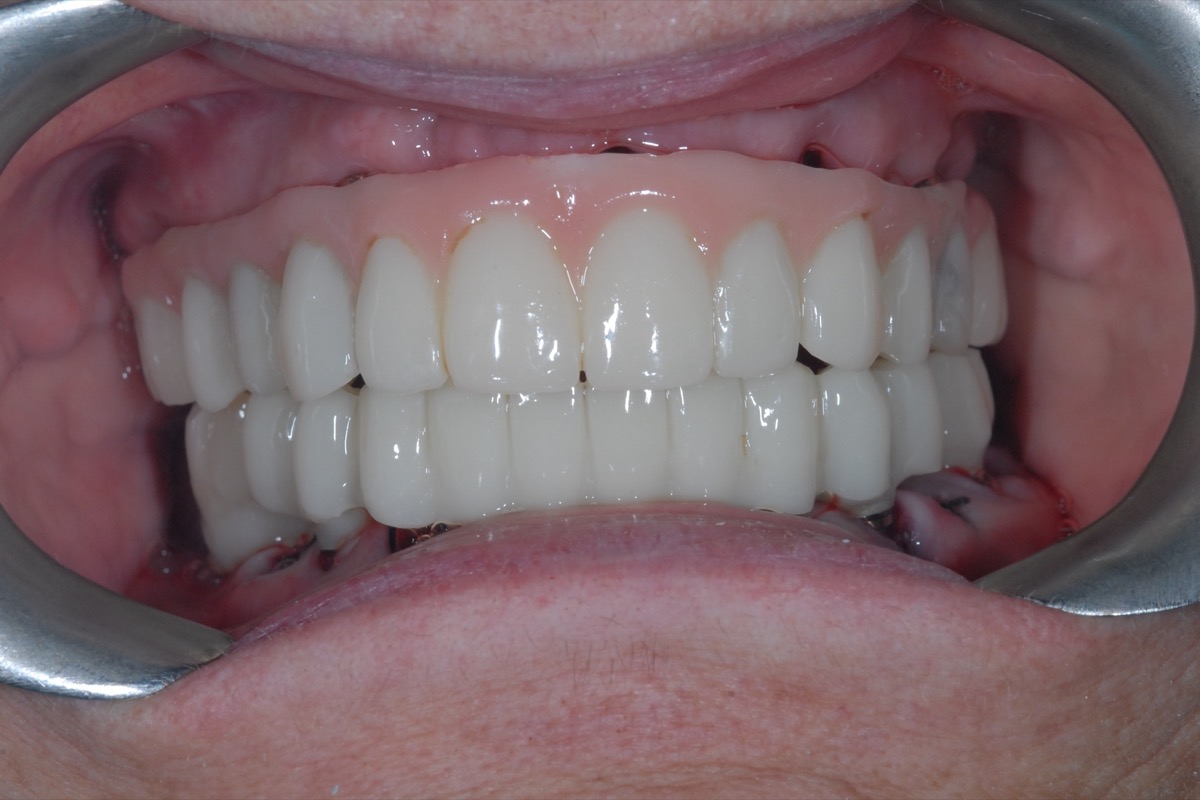
Upper & lower arches — teeth placed the same day
Failing crowns, loose teeth and gaps: a dentition at the end of its life. Implants were placed and temporary teeth fitted on them the same day, upper and lower, so the patient did not go without. The photograph shows those temporary teeth, not the final bridges, which follow once the implants have integrated.
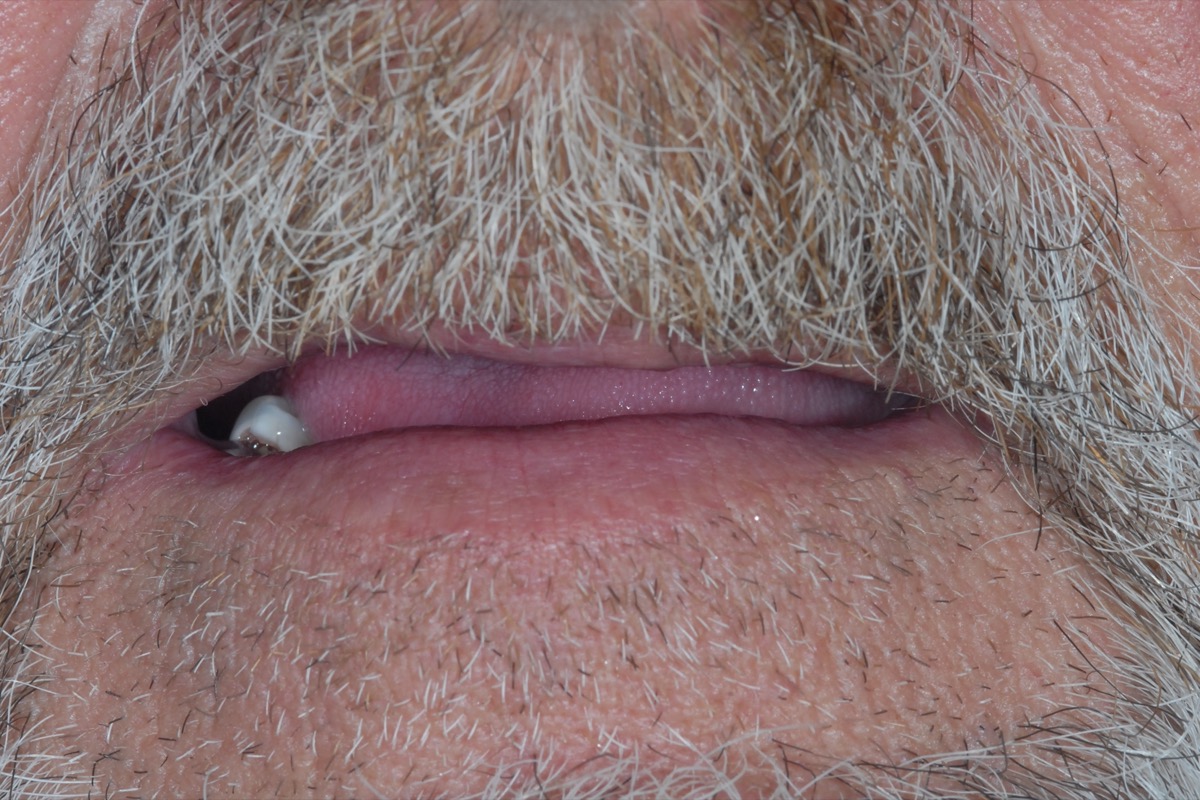
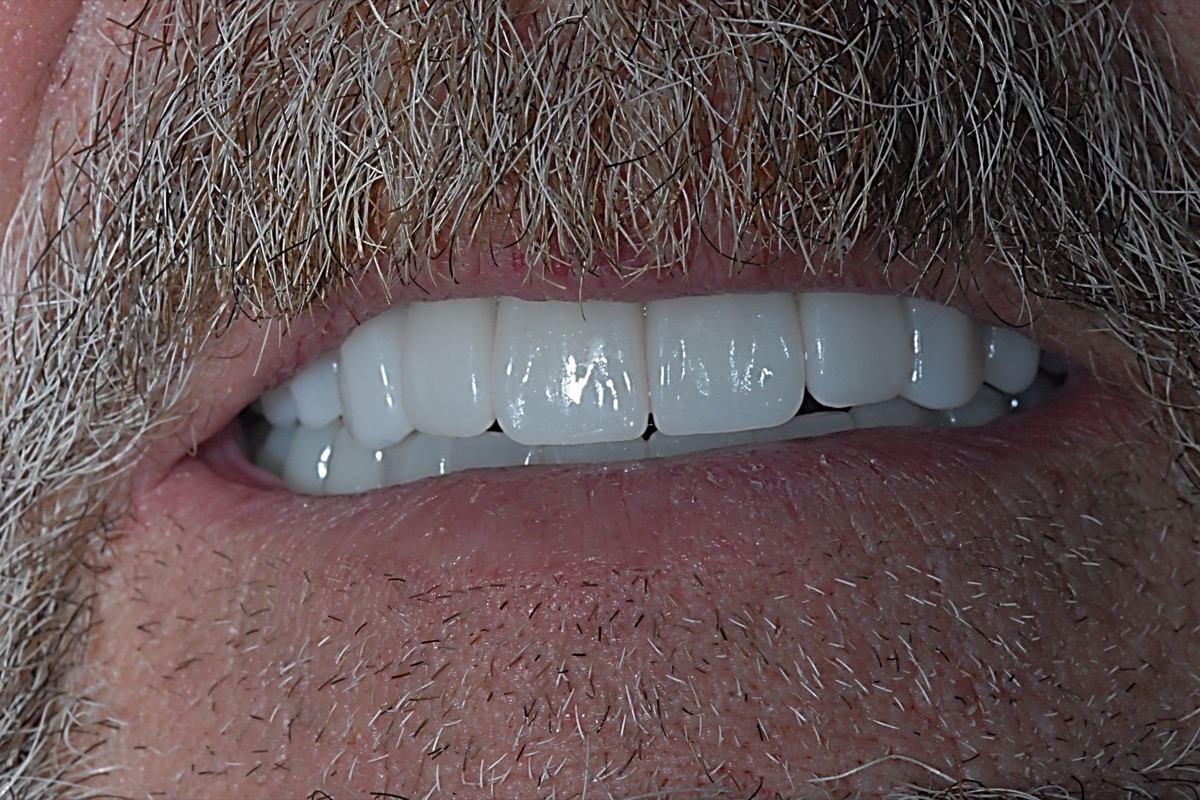
Upper & lower arches — lip support restored
With almost nothing left to hold the upper lip out, the few remaining teeth did not show at all when he smiled. Full-arch rehabilitation of both arches gives the lip something to rest against again, and the smile reads as his own rather than as dental work.
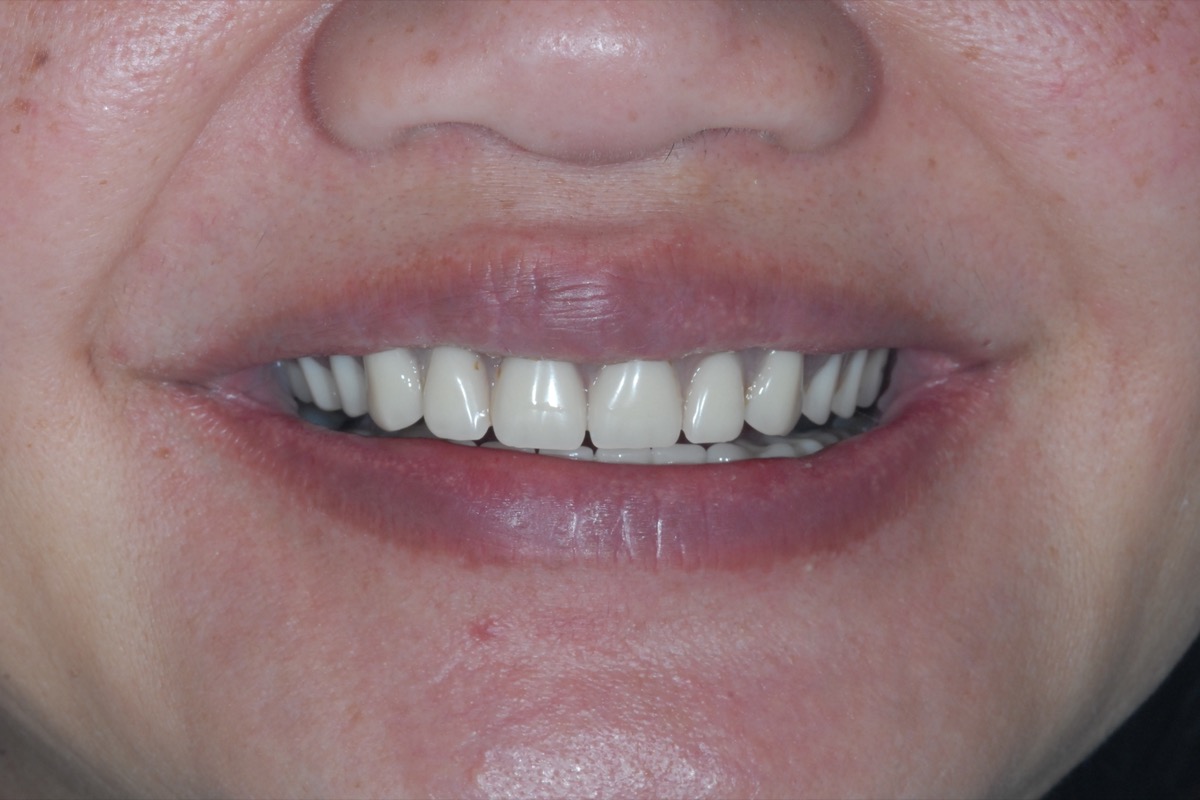
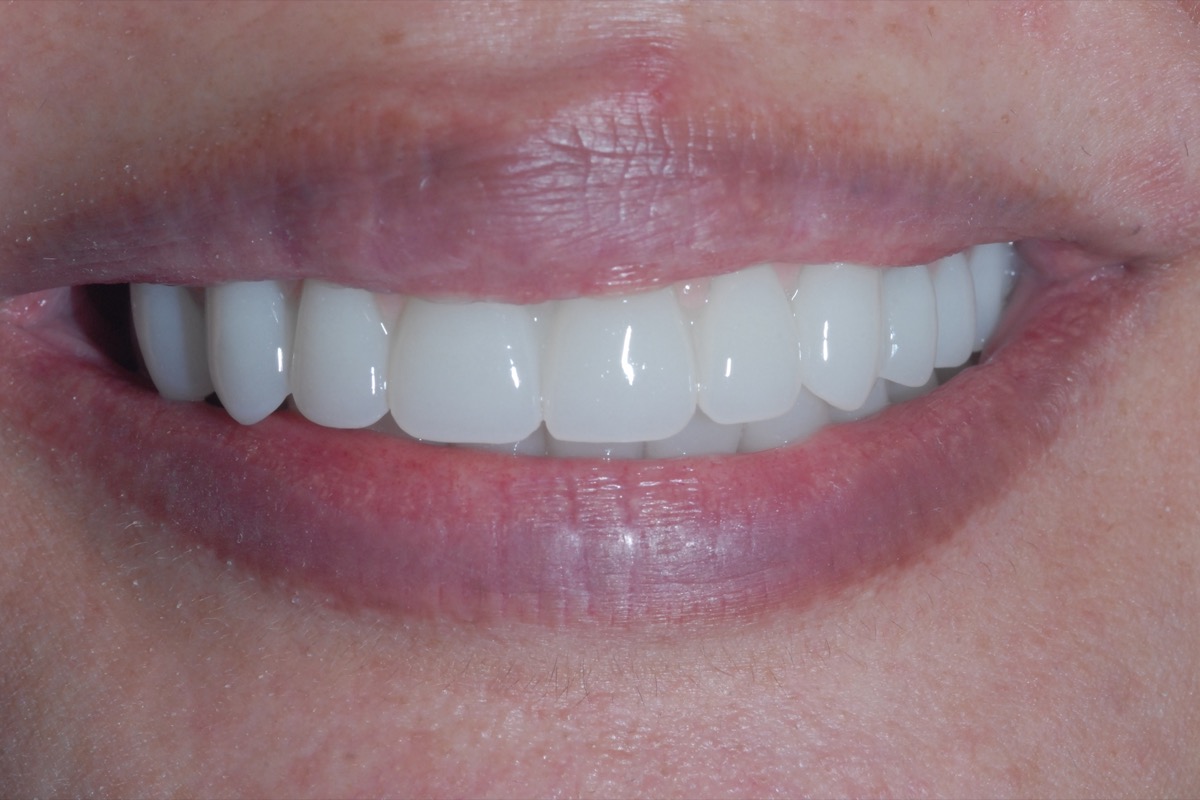
Upper & lower arches on All-on-6 implants
Dentures replaced with fixed bridges on six implants in each arch. Nothing comes out, nothing rests on the gums, and there is no adhesive — the bridges are carried by the implants and cleaned like natural teeth.
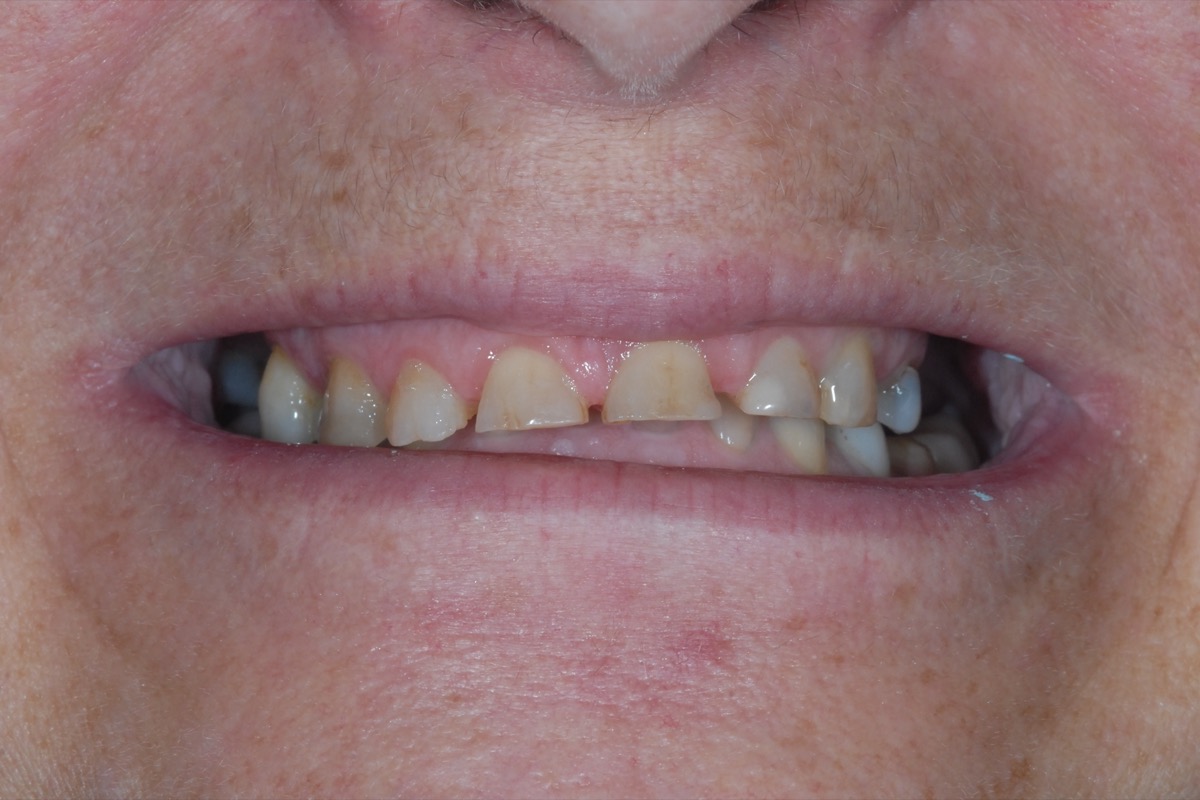
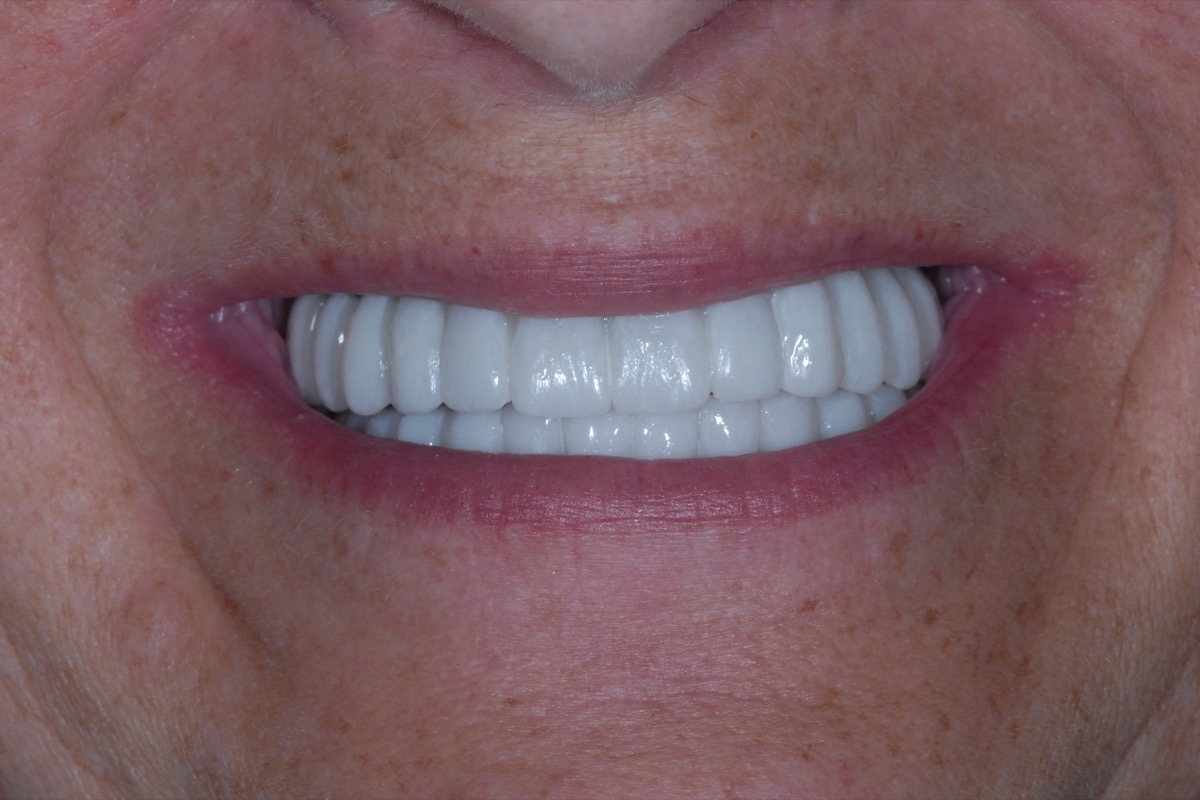
Upper & lower arches — bite height restored
Teeth worn down over years, taking the height of the bite with them. Full-arch bridges on six implants per arch rebuild both the teeth and the height they had lost, which is what returns comfortable chewing as well as the appearance.
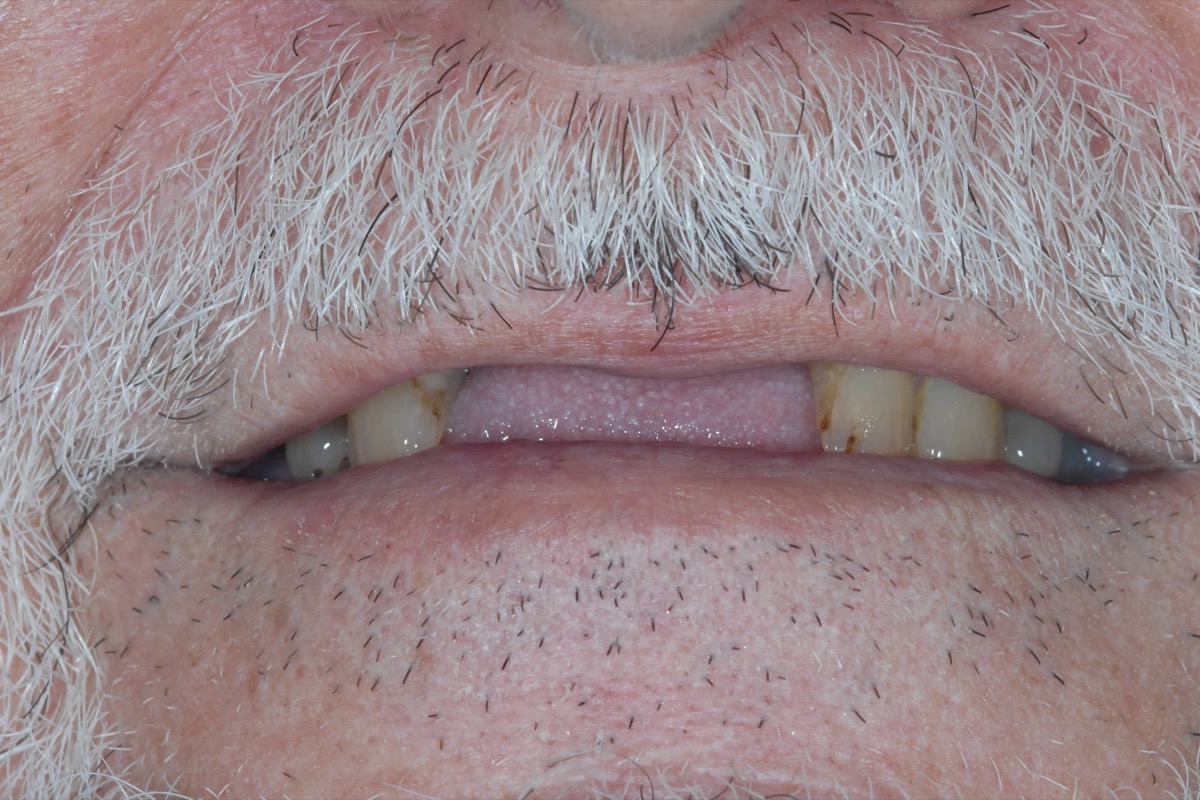
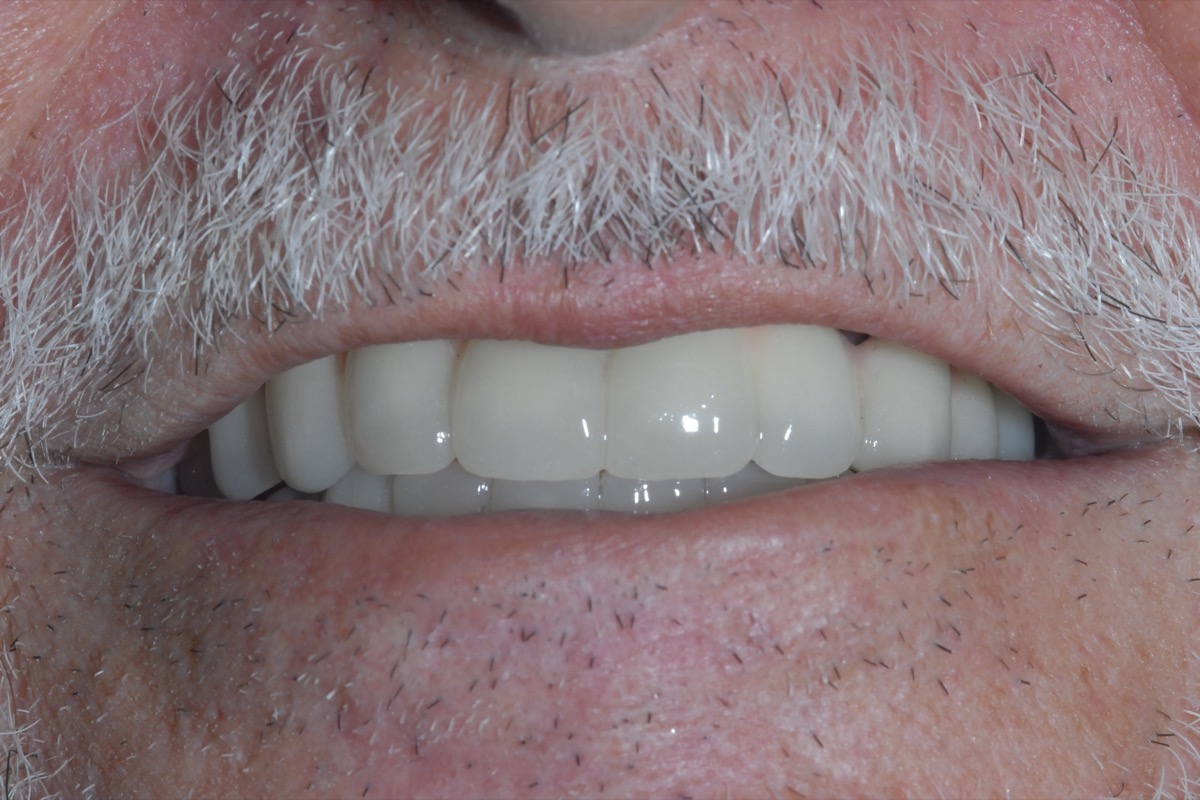
Upper & lower arches on All-on-6 implants
With the front teeth gone, the lower lip had nothing to rest against and sagged far enough that no teeth showed at all. Both arches were restored on six implants each, which supports the lip again and gives back a natural smile line — the change is as much in the face as in the teeth.
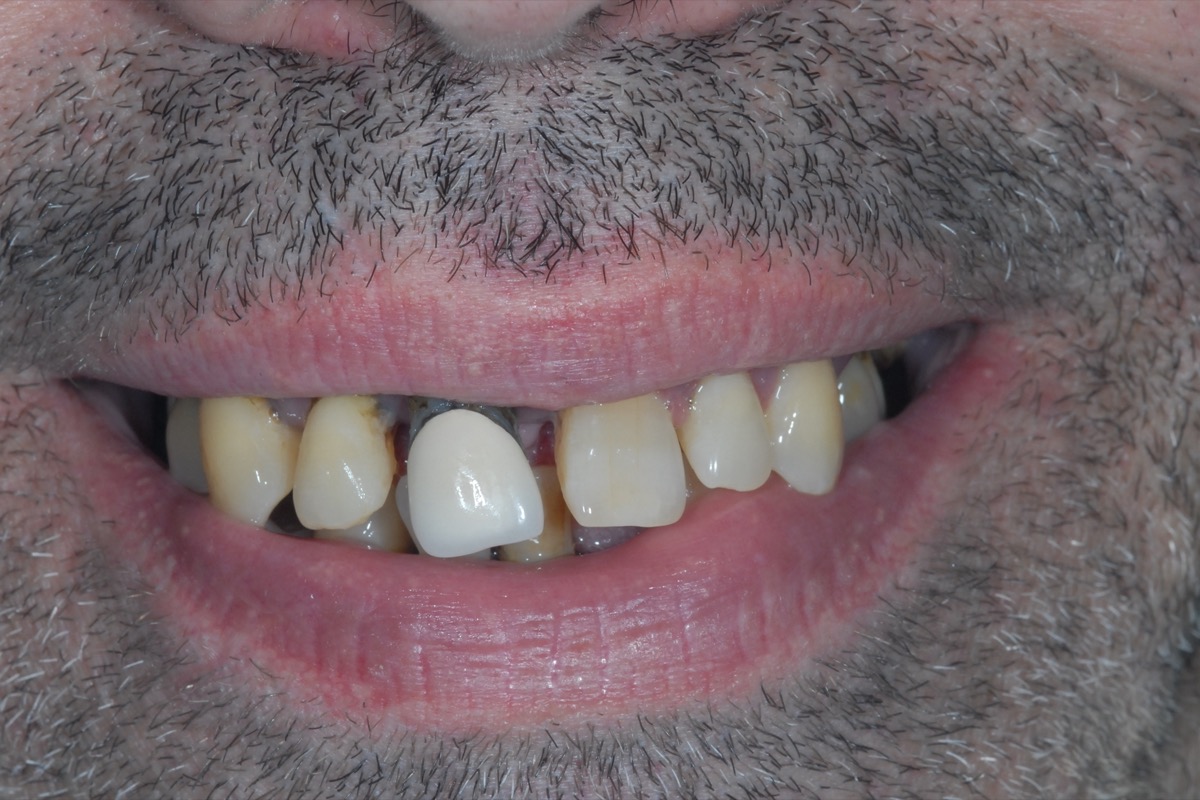
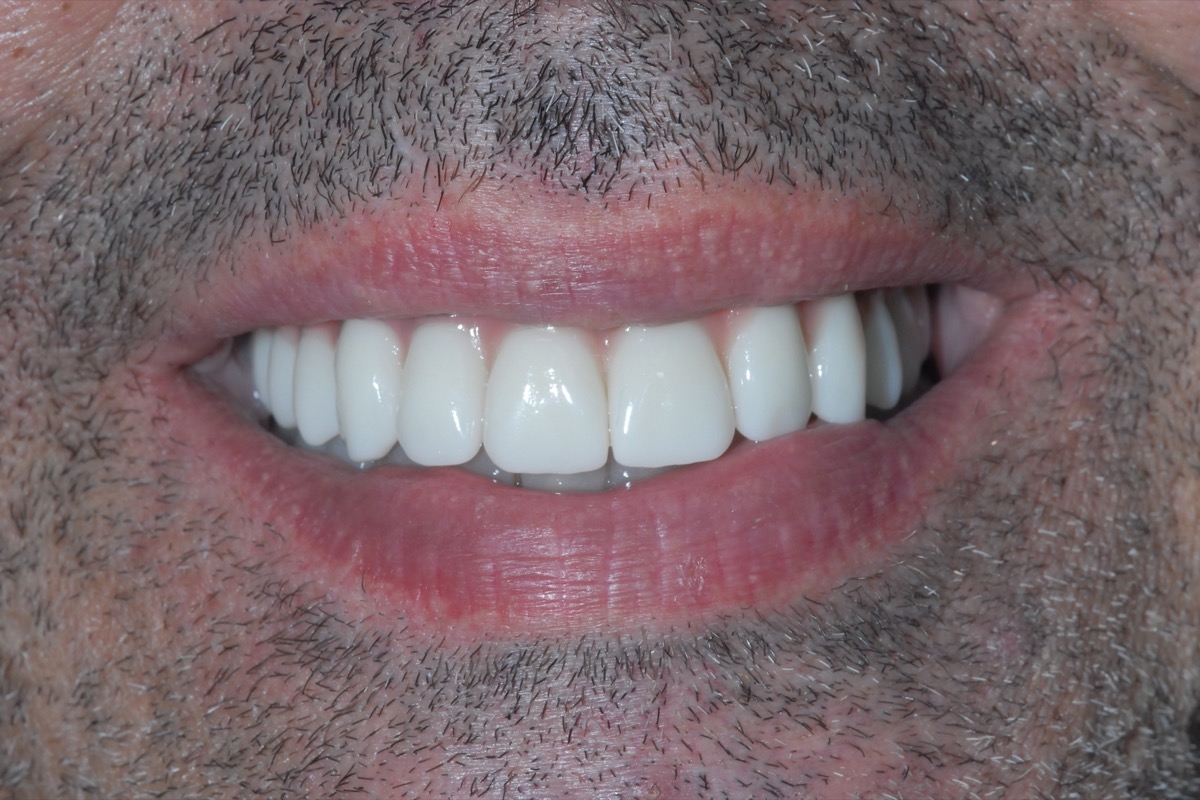
Upper & lower arches on All-on-6 implants
A fractured tooth alongside others failing at the gum, their support already lost. Both arches were restored with fixed bridges on six implants each, which takes the load off teeth that could no longer carry it.
Individual results vary. These cases show what the process is capable of, not a guarantee of what any particular mouth will achieve. Suitability, timelines and outcomes depend on bone volume, general health and healing, and are assessed at consultation.
Each pair is one patient, photographed before treatment and after it. Where a case combined treatments, every component is listed — a case carrying veneers, crowns and implants used all three to reach the result.
The visible change is the easy part to photograph. Where a bite has collapsed, the change that matters is underneath: restoring the height of the bite is what returns comfortable function, and patients consistently tell us that mattered more to them than appearance, even when appearance was what brought them in.
Book a free consultation to discuss what is realistic for your case. Call (905) 479-7777.