Our Services

Dental crowns. Strength restored.

A custom-made cap covering the entire visible tooth, restoring shape, strength, and appearance — designed with CAD/CAM precision and matched to the tooth's location and function.

When you need a crown

After Root Canal Therapy

The remaining tooth structure needs reinforcement to withstand normal biting forces. A root-treated tooth left uncrowned frequently fractures.

Cracked or Broken Tooth

From trauma, biting force, or a failed restoration. A crown holds the structure together and helps stop the crack from spreading further down the root.

Worn-Down Teeth

From grinding, acid erosion, or years of wear. Crowns restore the original height, contour, function, and appearance.

Large Cavities or Failed Fillings

When too much structure has been lost for a filling to hold, or an old filling has weakened the enamel around it.

Crown materials

Porcelain & Ceramic

One of the most natural-looking options available — translucent and colour-matched to blend with the surrounding teeth. Preferred for front teeth and any visible area.

Zirconia

Combines strength with esthetics, and is among the strongest crown materials available. Suitable for both front and back teeth.

Porcelain-Fused-to-Metal

A metal core for strength with a porcelain exterior for appearance. Durable and widely used, though the metal margin can become visible at the gumline over years.

From scan to seat

The tooth is prepared by removing a thin layer of enamel to make room for the crown. A digital scan then captures the prepared tooth and the teeth around it.

The crown is designed and fabricated either in our in-house lab or, for certain cases, by an external lab partner. Where external fabrication is needed, a temporary crown is placed in the meantime.

For most cases we offer same-day CEREC crowns — designed, milled, and fitted in a single appointment. No temporary crown, no second visit, and no two weeks of eating carefully on one side.

Inlays and onlays: the middle option between a filling and a crown

Not every damaged tooth needs a crown, and not every cavity can be fixed with a filling. An inlay is a custom-made ceramic piece that fits inside the chewing surface of a back tooth, where a filling would be too large to last. An onlay does the same and also covers one or more of the raised corners (cusps) of the tooth. Both are made to fit exactly and bonded in place.

The advantage over a crown is how much tooth is kept. A crown means trimming the whole tooth down all the way round. An inlay or onlay removes only the damaged part and the old filling, and leaves the healthy walls of the tooth standing. When enough sound tooth remains, that is the more conservative choice, and a tooth that keeps more of its own structure is generally easier to treat again in the future.

Like our crowns, inlays and onlays are designed from a digital scan and milled from a solid ceramic block in our in-house lab, usually in a single visit with no temporary and no second appointment. See same-day crowns for how that works.

Ceramic inlays and onlays are designed to be long-lasting; published studies commonly report most still in service after ten years or more, depending on the size of the restoration, the bite and how well the tooth is cared for. We will tell you at the examination whether a filling, an inlay or onlay, or a crown gives your tooth the strongest long-term outlook.


Common questions

What is the difference between an inlay, an onlay and a crown?+

A filling is shaped in the mouth. An inlay is made outside the mouth to fit inside the chewing surface of a tooth; an onlay also covers one or more cusps. A crown covers the whole tooth. The choice depends on how much healthy tooth is left: the more that remains, the more conservative the option can be.

How long do inlays and onlays last?+

Ceramic inlays and onlays are designed to be long-lasting, with many studies reporting most still in service after ten years or more. Longevity depends on the size of the restoration, grinding habits and daily care. A night guard protects them if you clench or grind.

Crown cases from our practice

Three of our own patients. Individual results vary.

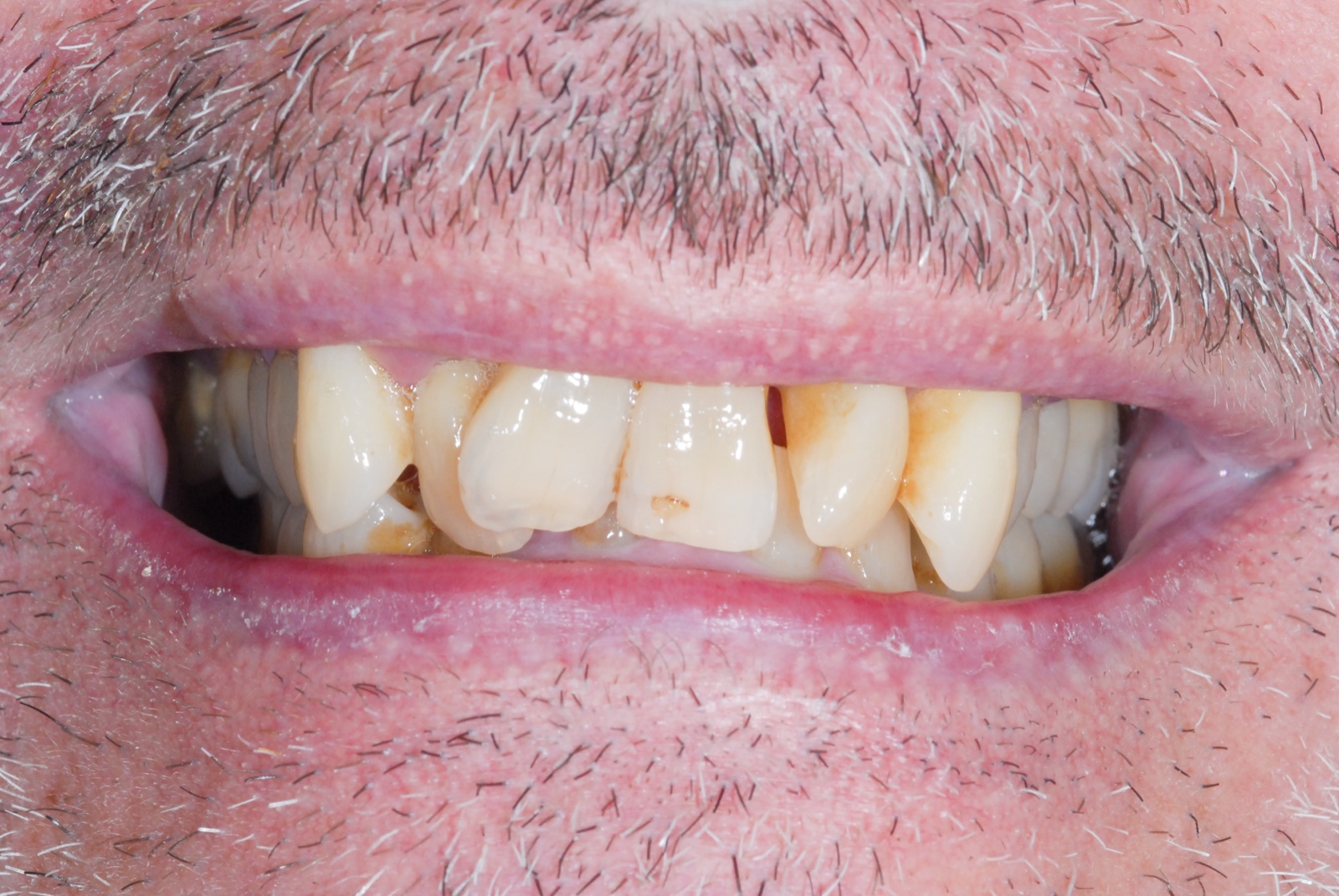
Before — Crowded front teeth with Periodontal bone loss; narrow arches
Before
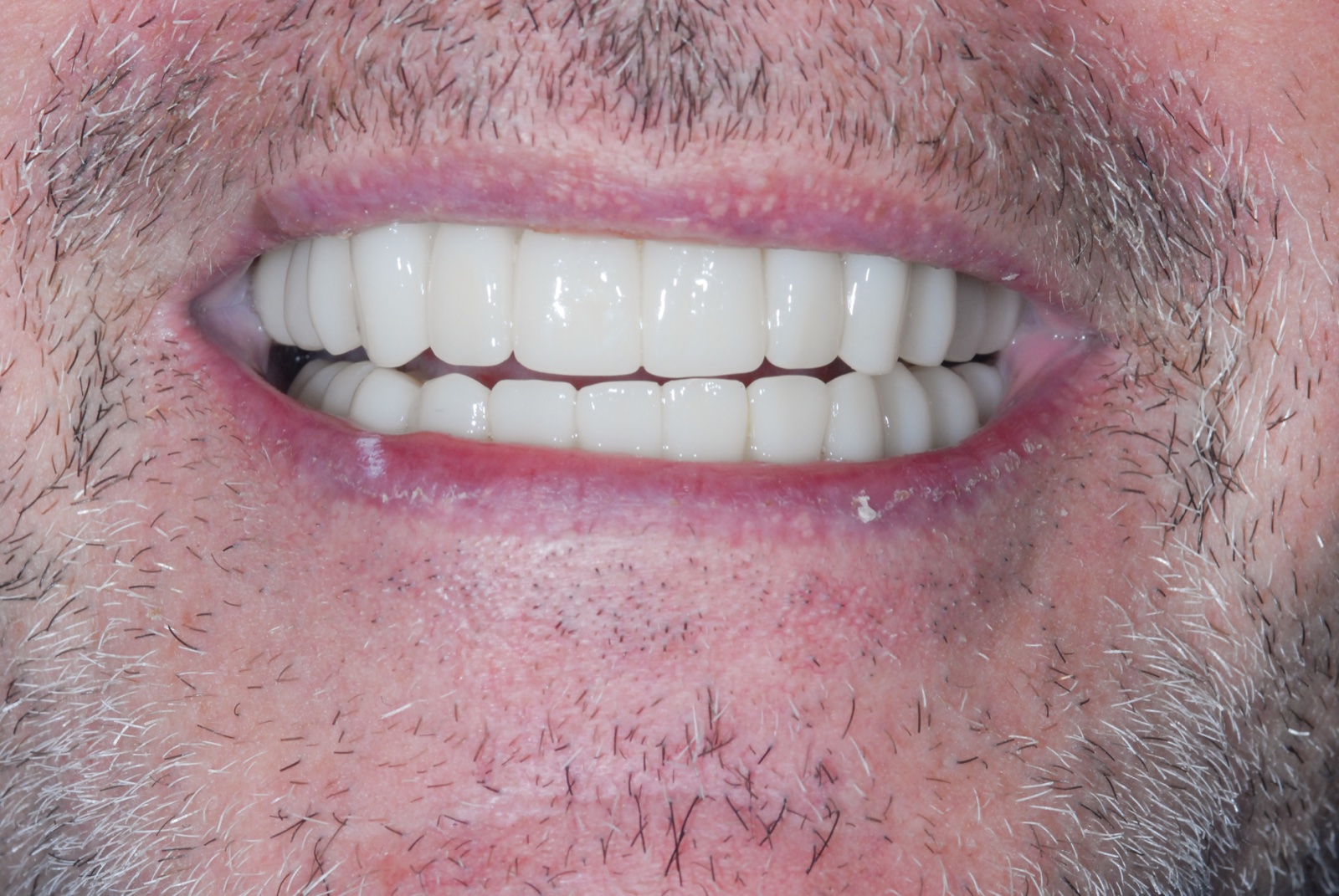
After — Anterior implant bridge, four units on two implants, combined with crowns on remaining teeth for a Full Mouth Rehabilitation
After

Implant bridge with Full Mouth Rehabilitation

Full Mouth Rehabilitation using Four unit implant bridge; Crowns on remaining teeth

Two implants supporting a four-unit bridge at the front, with crowns on the remaining teeth to complete a full-mouth rehabilitation.

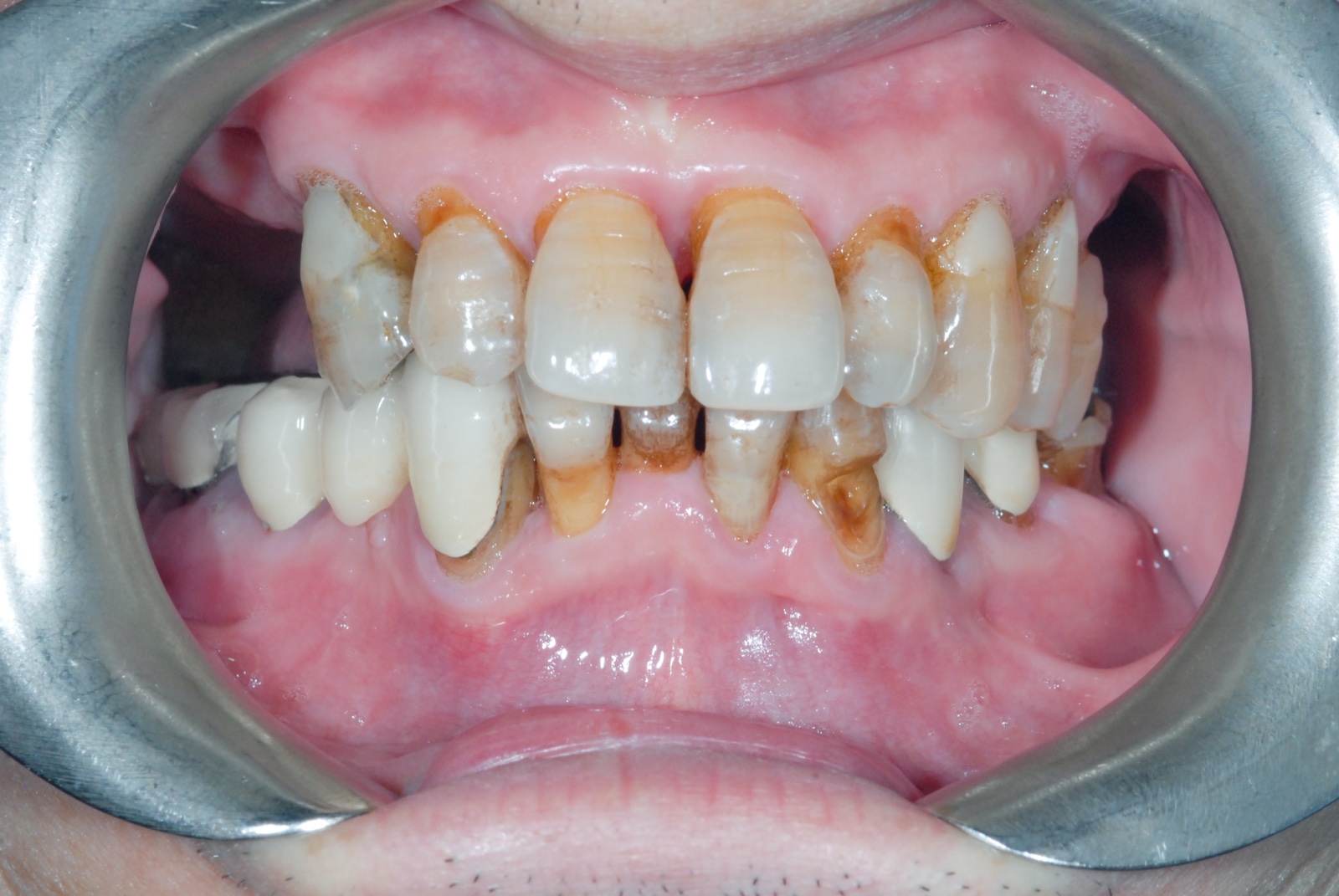
Before — crowded teeth, discolored by tetracycline, and missing posterior teeth
Before
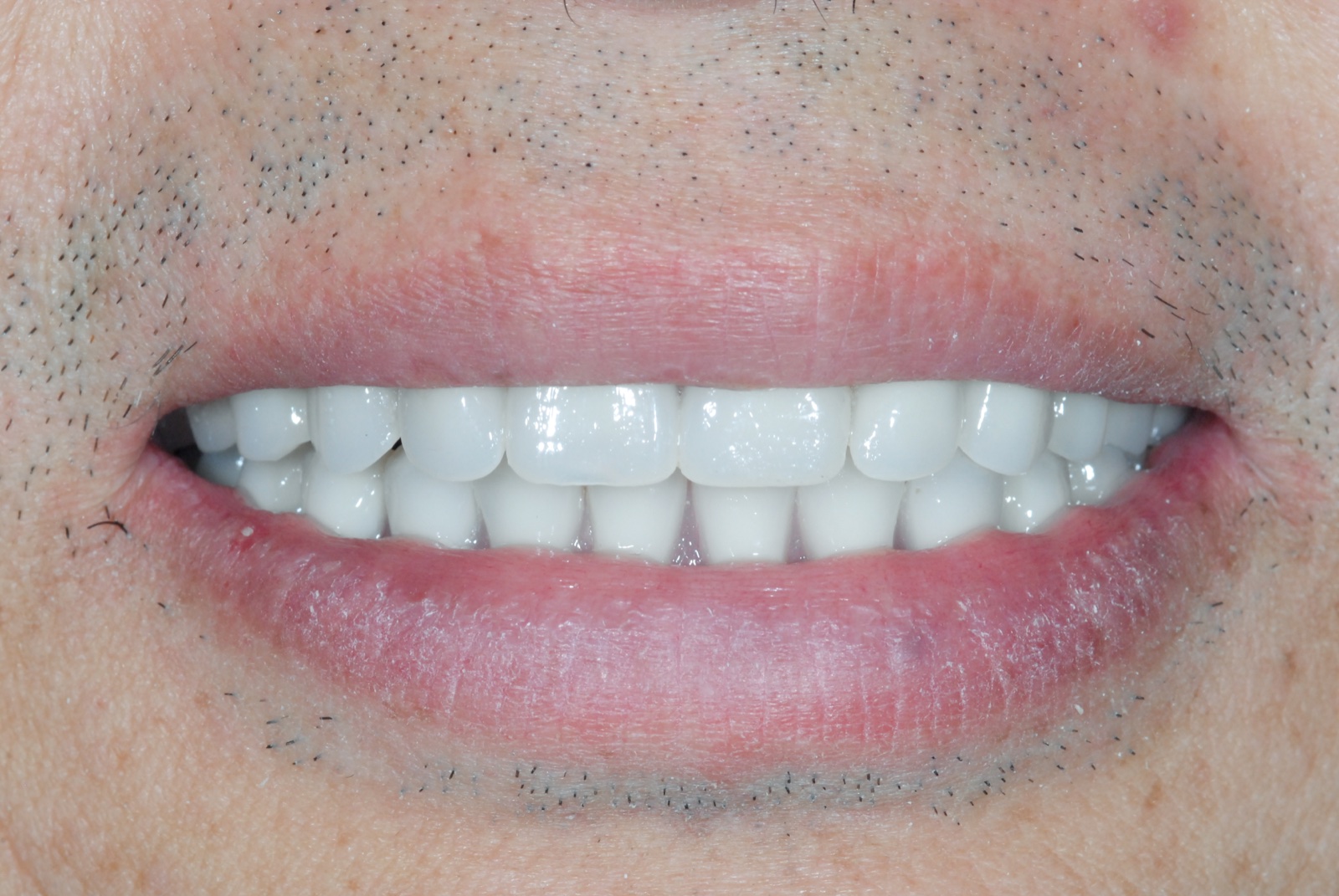
After — upper and lower arches restored with implant-supported bridges and crowns; even shade and alignment, with bite height re-established
After

Full mouth reconstruction using upper and lower implant-supported bridges as well as crowns on the remaining teeth

Upper and lower arches

Both arches restored together, re-establishing bite height as well as appearance.

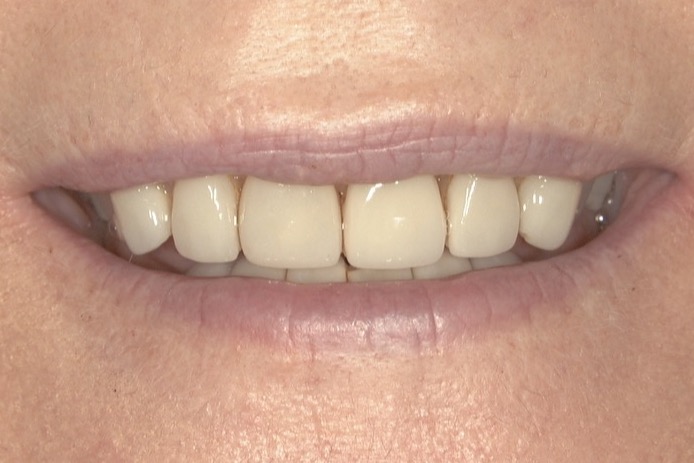
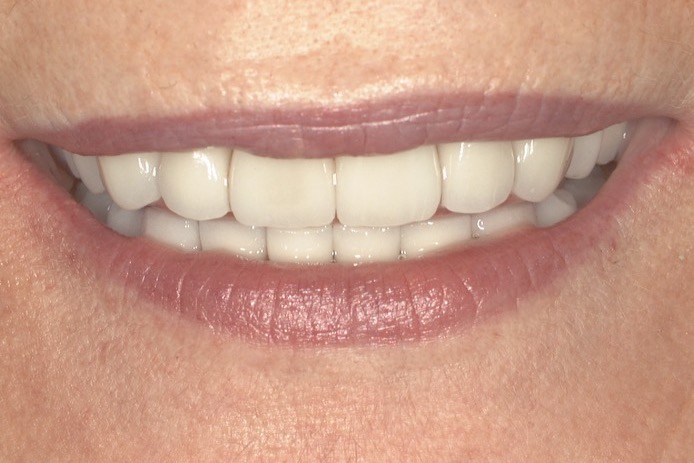
Before — worn, shortened teeth, the upper and lower front edges meeting almost flat and the lips drawn close together
Before
After — porcelain crowns and veneers on both arches, the teeth restored to their full length and the bite opened
After

Full Mouth Rehabilitation with Crowns and Veneers

Upper & Lower Arches — no implants

Porcelain crowns and veneers across both arches, rebuilding teeth that had worn down over years. Restoring the height of the bite returns comfortable function and supports the proportions of the lower face.

See all 18 crown cases

Ready to get started?

Book an assessment and find out whether a same-day crown suits your case. Call (905) 479-7777.