All-on-4 Dental Implants Cost in Markham: 2026 Investment Guide
Most people asking what All-on-4 costs in Markham are really asking two things at once: what is the number, and when do I have to find it.
Most people asking what All-on-4 costs in Markham are really asking two things at once: what is the number, and when do I have to find it.
The second question gets answered less often, and it changes how affordable the treatment actually feels. Full-arch treatment runs over three to six months, and you do not pay for it on day one.
The short version
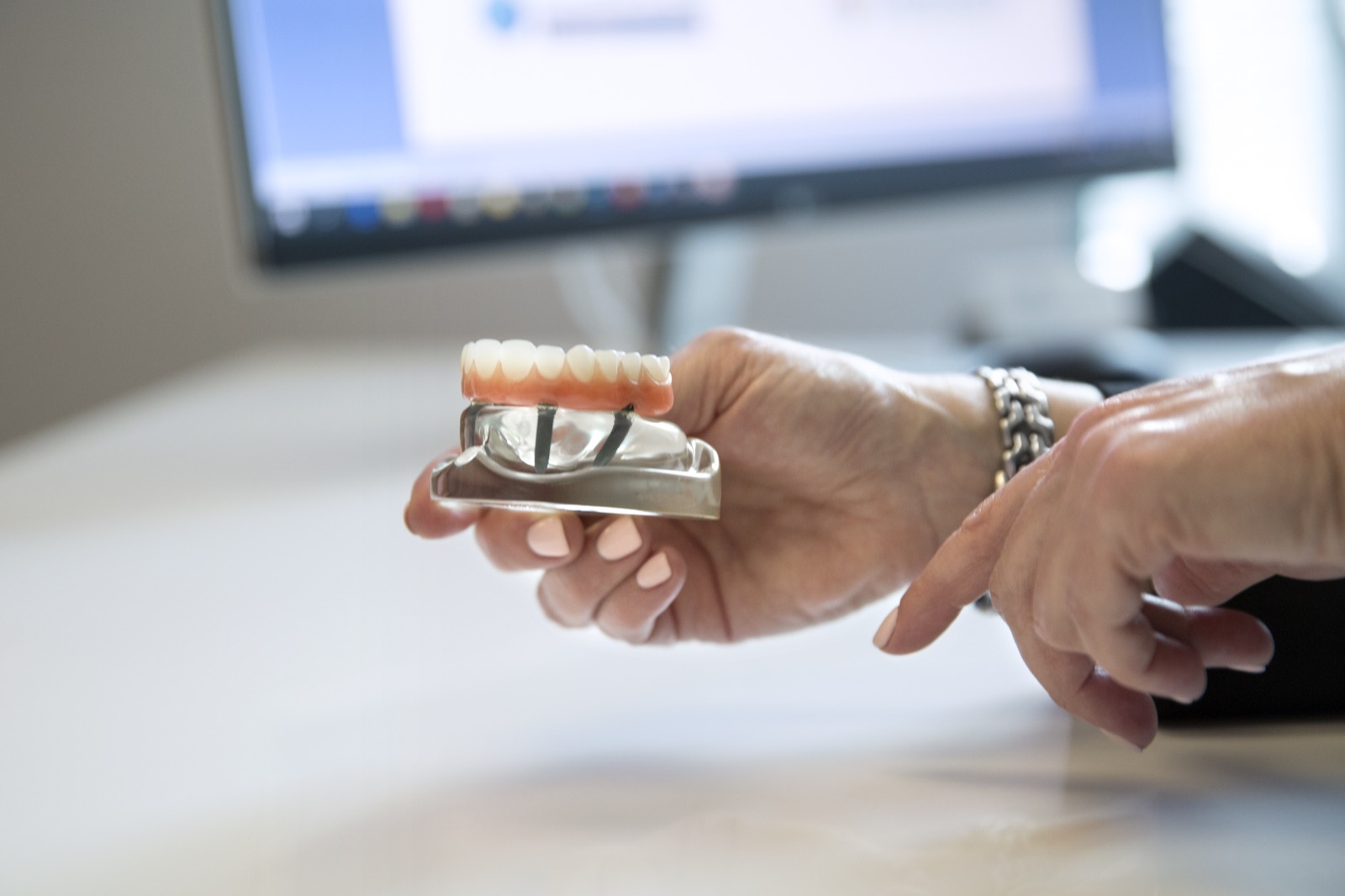
- Full arch in Markham: roughly $18,000 to $36,000 per jaw, spanning All-on-4 through All-on-6.
- Payment normally follows the treatment stages rather than arriving as one bill.
- Submit a predetermination to your insurer before committing — it takes weeks and removes all guesswork.
- Budget for maintenance afterwards; it is small but it is permanent.
- The lower end of the range means four implants and an acrylic bridge, with no grafting needed.
What you pay for, and when
Roughly how a full-arch course of treatment is staged. Exact proportions vary, but the shape is consistent.
Stage 1 — Consultation, scan and planning
A CBCT scan, a digital scan of your mouth, examination, and the planning work that turns those into a surgical plan. This is where you find out whether four implants is right for your jaw, whether grafting is needed, and what the whole thing will actually cost.
A modest proportion of the total, and the only part you pay before knowing the full figure. Ask whether it is credited against treatment if you proceed.
Stage 2 — Surgery day
The largest single payment. It covers extractions, the surgical guide, the implants themselves, the surgery, sedation, and the fixed temporary bridge you leave with.
Stage 3 — The healing months
Review appointments. Normally included rather than charged separately — confirm this, because it is a common gap in cheaper quotes.
Stage 4 — The final bridge
The second substantial payment, usually three to six months after surgery. New impressions, the try-in where you approve the appearance, and the permanent bridge itself. This is where the acrylic-versus-zirconia decision shows up in the total.
Afterwards — maintenance
A professional clean with the bridge unscrewed, once or twice a year. Small, ongoing, and genuinely necessary. Budget for it.
Where you land in the range
Toward $18,000 — four implants, an acrylic bridge on a titanium frame, no grafting, few extractions, local anaesthetic or light sedation. A common and perfectly good outcome for a lower jaw with reasonable bone.
In the middle — four or six implants, some grafting, a full set of extractions, IV sedation.
Toward $36,000 — six implants, a monolithic zirconia bridge, grafting or a sinus lift, extensive extractions, infection to resolve first.
Six factors move you along it: implant count, bridge material, grafting, extractions, infection, and sedation. Nothing else in a quotation should be moving the figure much.
Insurance in Ontario
Most plans contribute. Very few cover a full arch, because annual maximums are usually well below the treatment cost — a plan might cover the extractions and part of one stage.
Two things worth doing:
Submit a predetermination. Your insurer reviews the plan in advance and states in writing what they will pay. It takes a few weeks and it is free. We prepare and send it.
Check whether the work can span two benefit years. Because treatment runs several months anyway, surgery in one calendar year and the final bridge in the next can mean two annual maximums instead of one. This is legitimate scheduling, not a trick, and it only works if the clinical timing allows — but it is worth asking about.
On the Canadian Dental Care Plan: coverage depends on eligibility, and major restorative work has its own pre-authorisation requirements with co-payment tiers based on household income. Whether any part of a full-arch plan qualifies is a question to have answered before treatment starts, not assumed either way.
Financing
Third-party dental financing spreads the cost over anywhere from a year to several. Some plans carry no interest over shorter terms; longer terms do. We can point you at the options and you deal with the provider directly — there is no obligation and no pressure from us either way.
A line of credit is often cheaper than dental-specific financing if you have access to one. Worth comparing.
Comparing quotes
If you are getting more than one quote — sensible for a decision this size — make sure you are comparing the same treatment.
- How many implants?
- Acrylic or zirconia for the final bridge?
- Is the final bridge included at all, or only surgery and a temporary?
- Is grafting included, excluded, or not yet assessed?
- Are extractions included?
- What level of sedation is in the price?
- Are review appointments included?
- Which implant system, and are components available in Canada long term?
Most large gaps between quotes are differences in what is counted rather than in what is charged. The commonest omissions are the final bridge, grafting, and sedation.
Two false economies
Choosing acrylic purely on price when your bite argues for zirconia. An acrylic bridge is typically replaced after around a decade. If you grind, it may be sooner. The cheaper option is sometimes genuinely the right one — but make that choice on clinical grounds, not only on the initial figure.
Skipping maintenance. The annual professional clean is a small cost that protects a large one. Restorations are far more often lost to untreated inflammation than to anything that happened in surgery.
Getting a real figure
The range above is honest, and it is wide because the variables genuinely move it that much. A scan turns it into a number. Book a consultation and you will leave with a written, itemised quotation and a clear picture of when each part falls due.
Common questions
Is that per jaw?
Yes. Both jaws roughly doubles it.
Do I pay it all upfront?
No. Payment follows the treatment stages, with the two largest at surgery and at final bridge fitting.
Will my insurance cover any of it?
Usually some, rarely most. A predetermination tells you the exact figure in writing before you commit.
Why is All-on-4 cheaper than All-on-6?
Two fewer implants, less surgical time, and more often an acrylic bridge rather than zirconia. Whether four is right for you depends on your bone and your bite, not your budget.
Does the price include the final teeth?
It should, and you should see it itemised. A quote covering only surgery and a temporary bridge will look substantially cheaper than a complete one.
What if I need grafting and did not budget for it?
The scan identifies it before you commit to anything, which is the main reason the scan comes first.
Are there costs after treatment finishes?
Yes — annual or twice-yearly professional cleaning with the bridge removed, and eventual replacement of an acrylic bridge. Both are modest against the initial investment but they are real.
Can I start and pay as I go?
To a degree — the staging above does this naturally. You should not, however, start surgery without knowing what the final bridge will cost.

Free Dental Implant Seminar — No Obligation, No Pressure
"Everything You Need to Know About Today's Dental Implant Treatments" — held monthly at our Markham clinic.
Explore Topics
Written by
Dentistry at Vitality Health
Content creator and writer sharing insights and stories.