Smile Makeover Cost in Markham: A Comprehensive 2026 Investment Guide
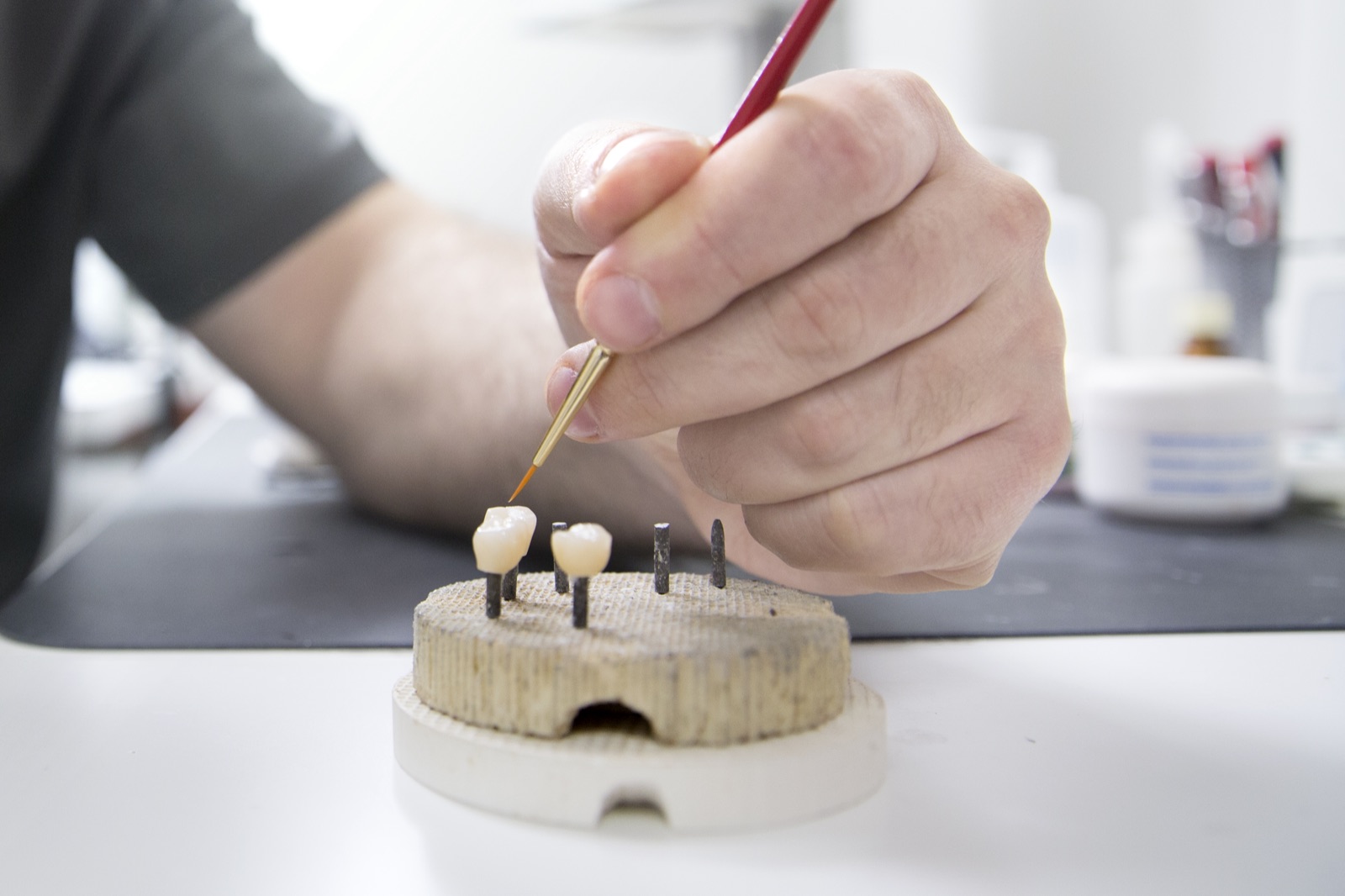
"Smile makeover" is not a procedure. It is a plan — a combination of treatments chosen for one person's teeth and sequenced so they work together.
"Smile makeover" is not a procedure. It is a plan — a combination of treatments chosen for one person's teeth and sequenced so they work together.
Which is why nobody can quote you a price for one over the phone, and why the range published online is close to meaningless. What can be explained is how a makeover is put together, what each component costs relative to the others, and where the money actually goes.
The short version
- A makeover is priced by its components. There is no single figure.
- Whitening and bonding are the inexpensive end. Veneers, crowns and implants are not.
- Sequence matters: health first, alignment second, colour third, shape last.
- A mock-up before treatment is the most valuable thing you can ask for.
- Staging over two or three years is common and usually sensible.
What a makeover is made of
Roughly in order of cost, lowest first.
Professional whitening. The least expensive change and often the most noticeable. Frequently the only thing some people actually need.
Gum recontouring. Reshaping an uneven gum line, or a smile that shows a lot of gum. A small procedure with a disproportionate effect on how a smile looks, and often overlooked.
Composite bonding. Per tooth, modest. Chips, small gaps, reshaping. Reversible.
Orthodontics. Clear aligners or braces. A middle-range cost, and the one people most want to skip — usually a mistake, for reasons below.
Porcelain veneers. Per tooth, several times bonding. Across six or eight front teeth this becomes the largest line in most makeovers.
Crowns. Where a tooth is too damaged for a veneer.
Implants. Where teeth are missing. The most expensive component by some distance; a full arch runs roughly $18,000 to $36,000 per jaw.
The order things happen in
Getting the sequence right is most of what distinguishes a good plan from an expensive one.
1. Health first
Decay treated, gum disease stabilised, any failing restorations dealt with. Cosmetic work built on unhealthy foundations does not last, and a veneer over an untreated problem is money spent twice.
2. Alignment second
This is where people are tempted to shortcut. If teeth are crowded or protrusive, aligning them first means the cosmetic work afterwards can be conservative — sometimes bonding rather than veneers, and always less tooth removal.
The alternative, veneering over misaligned teeth, requires cutting more enamel to bring the surfaces into line. On badly rotated teeth that can mean approaching the nerve. Six months of aligners can turn eight veneers into four, or into bonding.
It takes longer. It is almost always better and often cheaper overall.
3. Colour third
Whiten before any restorative work is made. Porcelain and composite cannot be lightened afterwards, so the shade of your natural teeth at this moment is what everything else gets matched to. Let it settle for a week or two before shades are taken.
4. Shape last
Bonding, veneers, crowns — made to match teeth that are now healthy, aligned and the colour you want.
Ask for a mock-up
The most useful thing available in cosmetic dentistry, and it costs relatively little.
A design is made of the proposed result — digitally, or as a wax model — and can be trialled directly in your mouth in temporary material. You see the length, shape and proportion before anything irreversible happens. You can photograph it, live with it for a day, show it to someone whose opinion you trust.
People change their minds at this stage more often than you would think, usually about tooth length. Changing your mind here costs nothing. Changing it after the porcelain is made costs a great deal.
If a plan does not include a mock-up stage, ask why.
What actually drives the total
How many teeth show when you smile. Some people show six; others show twelve. That alone can double a veneer count.
Whether teeth are missing. Implants change the arithmetic more than anything else.
Whether alignment is needed. Adds cost up front and often reduces it later.
Veneers versus bonding. The single largest decision for most people.
How much existing work needs replacing. Old crowns that no longer match often have to be redone to achieve a uniform result, and they are easy to forget when budgeting.
Staging it
Most makeovers do not have to happen at once.
A common approach: health and whitening this year, alignment next, restorative work the year after. It spreads the cost, uses more than one year of insurance coverage for the parts that are claimable, and gives you time to be sure about the cosmetic decisions.
The plan should still be designed as a whole, even when executed in parts — otherwise each stage constrains the next in ways nobody intended.
Insurance
Purely cosmetic work is not covered. Components that restore function or treat disease — periodontal treatment, crowns on damaged teeth, bonding that repairs fracture, sometimes orthodontics — may be, at least partly.
Submit a predetermination on the claimable parts so you know the figure in writing before starting.
Getting a real plan
The genuinely useful first appointment is one where we look at what bothers you, photograph it, and tell you the smallest set of treatments that would address it. Sometimes that is whitening and a gum recontour. Book a consultation and we will start from your teeth rather than from a package.
Common questions
Why won't anyone quote me a price?
Because the components differ enormously between people. A plan of whitening and two bonded teeth and a plan of ten veneers and two implants are both smile makeovers.
How long does it take?
Weeks if it is whitening and bonding. A year or more if alignment and implants are involved.
Do I need veneers?
Fewer people do than are sold them. Whitening, bonding, gum recontouring and alignment address a great deal, more conservatively and for less.
Can I see the result first?
Yes — ask for a mock-up. It is the most useful stage in the process.
Should I do orthodontics first?
If your teeth are crowded or protrusive, almost always. It reduces how much tooth has to be removed later and often reduces the total cost.
Will insurance help?
With the parts that treat disease or restore function, sometimes. With the purely cosmetic parts, no.
Can I do it in stages?
Yes, and many people should. The plan should be designed as a whole regardless.
How long will it last?
Whitening needs topping up periodically. Bonding lasts a few years. Veneers and crowns last well over a decade with good care. A night guard protects all of it if you grind.

Free Dental Implant Seminar — No Obligation, No Pressure
"Everything You Need to Know About Today's Dental Implant Treatments" — held monthly at our Markham clinic.
Explore Topics
Written by
Dentistry at Vitality Health
Content creator and writer sharing insights and stories.