Full Mouth Reconstruction Process in Canada: The 2026 Patient Guide
Full mouth reconstruction is a phrase that gets used for two quite different things, and the confusion costs people money.
Full mouth reconstruction is a phrase that gets used for two quite different things, and the confusion costs people money.
Sometimes it means replacing every tooth with implants. More often it means rebuilding a mouth that still has teeth in it — crowns, bridges, a few implants, and a bite that has collapsed over years of wear. The second is more common, more complicated to plan, and frequently less expensive than people assume.
The short version
- Reconstruction is a sequence of treatments planned together, not one procedure.
- The bite is the starting point. Get it wrong and everything built on it fails.
- Diagnosis takes weeks and is the most important phase, though nothing visible happens.
- Treatment usually runs six to eighteen months, in stages.
- Keeping your own teeth where possible is almost always the better outcome.
Who this is actually for
People arrive at reconstruction by a few well-worn routes.
Years of wear. Grinding, acid erosion, or both. The teeth get shorter, the face gets shorter with them, and at some point chewing becomes uncomfortable. This is gradual enough that people often do not notice until a photograph shows them.
Accumulated dentistry. Fillings replaced with bigger fillings, then crowns, then root canals, over decades. Each was sensible at the time. Together they reach a point where patching one more tooth is not the answer.
Gum disease. Teeth loosening, drifting, spacing appearing. Here the gums have to be stabilised before anything is built.
Multiple failures at once. Several teeth becoming unsalvageable in a short period, usually on a background of one of the above.
The diagnostic phase
Several appointments over a few weeks, and the part that determines whether the whole thing works.
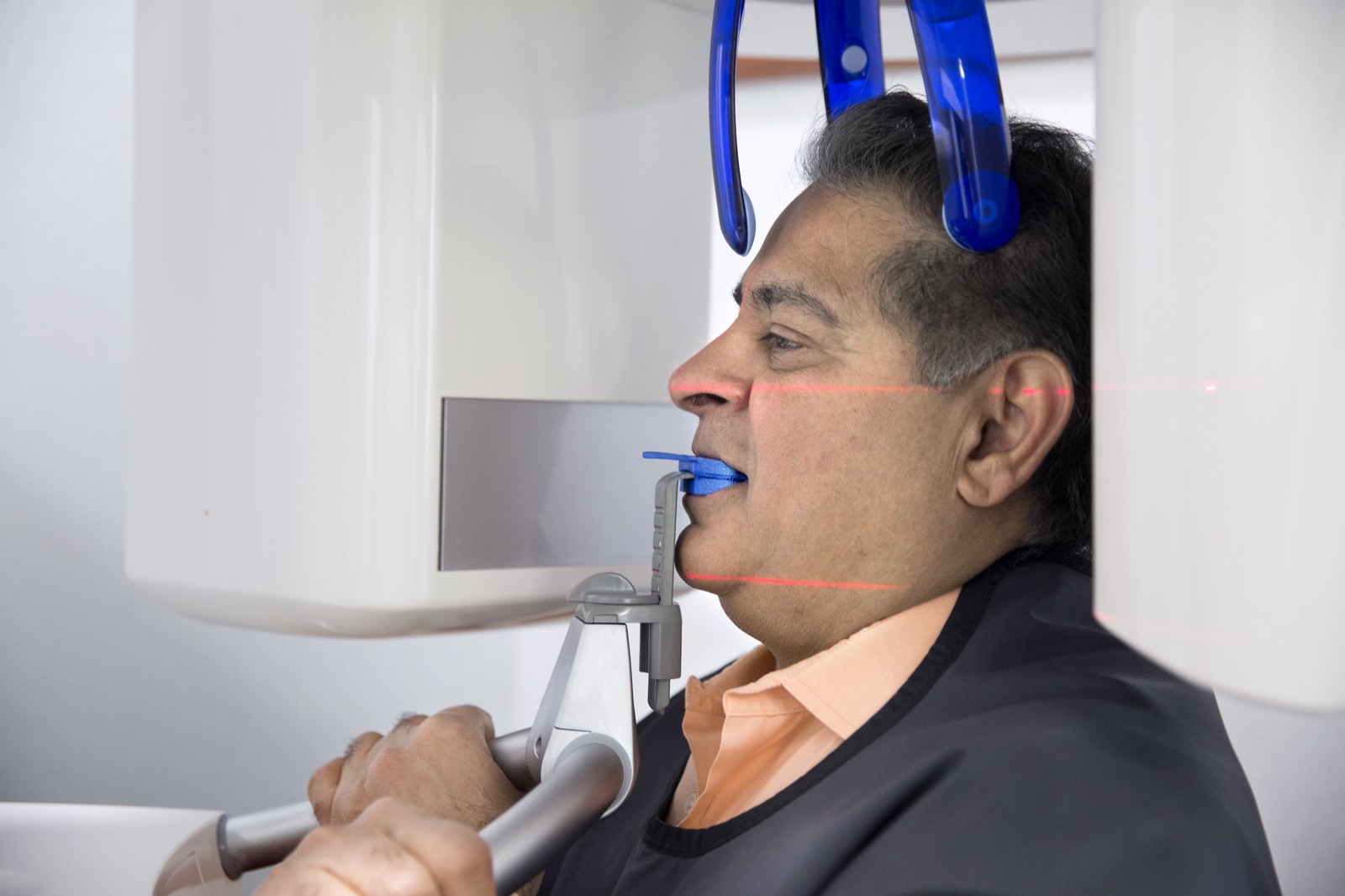
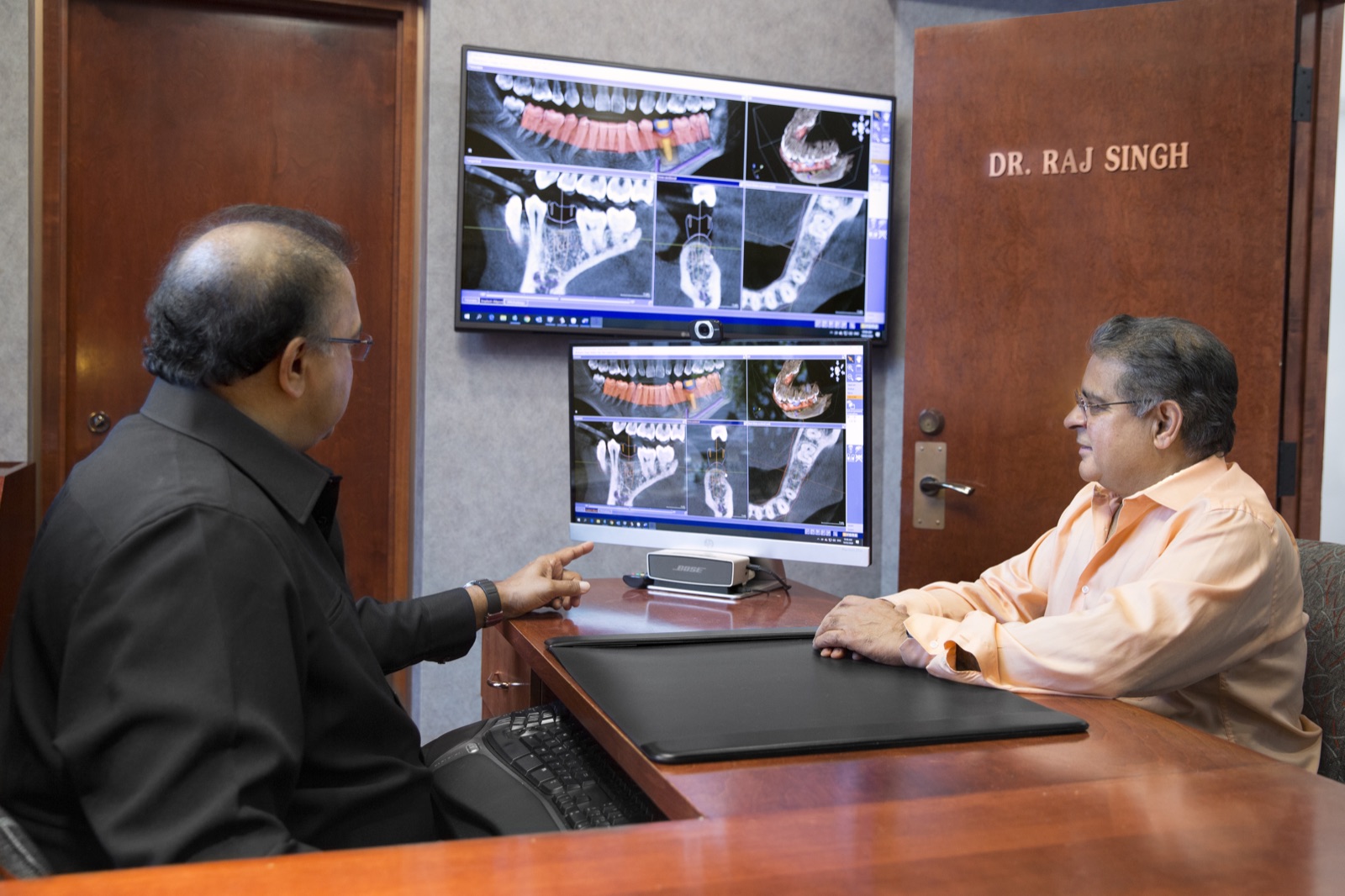
Records. Photographs, a CBCT scan, digital scans of both arches, and a record of how your jaw closes. Not just where the teeth meet — where the joints sit when the muscles are relaxed, which is frequently not the same thing.
Assessment of every tooth individually. Keep, treat, or remove. This list is the backbone of the plan and it is worth going through tooth by tooth with us rather than accepting a summary.
Gums first. Active periodontal disease is treated and stabilised before anything is constructed. Building on unstable foundations is the single commonest reason reconstructions fail.
Joints and muscles. If you have jaw pain, clicking, headaches or a history of locking, that is addressed before the bite is changed rather than after.
A wax-up or digital design. A model of the proposed result — tooth length, shape, where the bite will sit. You see this before treatment starts. It is also what the temporaries are made from.
Why the bite comes first
This is the part that separates reconstruction from a series of individual treatments.
If teeth have worn down, the vertical dimension — the distance between your jaws when closed — has usually reduced. Rebuilding teeth to their original height means opening that dimension back up, which affects the joints, the muscles, your speech, and how your face looks in profile.
This has to be planned deliberately and tested before it is made permanent. Usually that means wearing temporary restorations at the new bite for several weeks or months. You eat, speak and sleep in them. If something is uncomfortable, it is adjusted in acrylic — quickly and cheaply — rather than discovered after the porcelain is made.
People sometimes want to skip this stage. It is the stage we would least recommend skipping.
How treatment is sequenced
Phase 1 — Stabilise. Treat infection and gum disease, remove hopeless teeth, deal with anything painful. Nothing cosmetic yet.
Phase 2 — Foundations. Root canals where needed, bone grafting where implants are planned, implant placement. Then a healing period.
Phase 3 — Temporaries at the new bite. The test drive described above. Weeks to months.
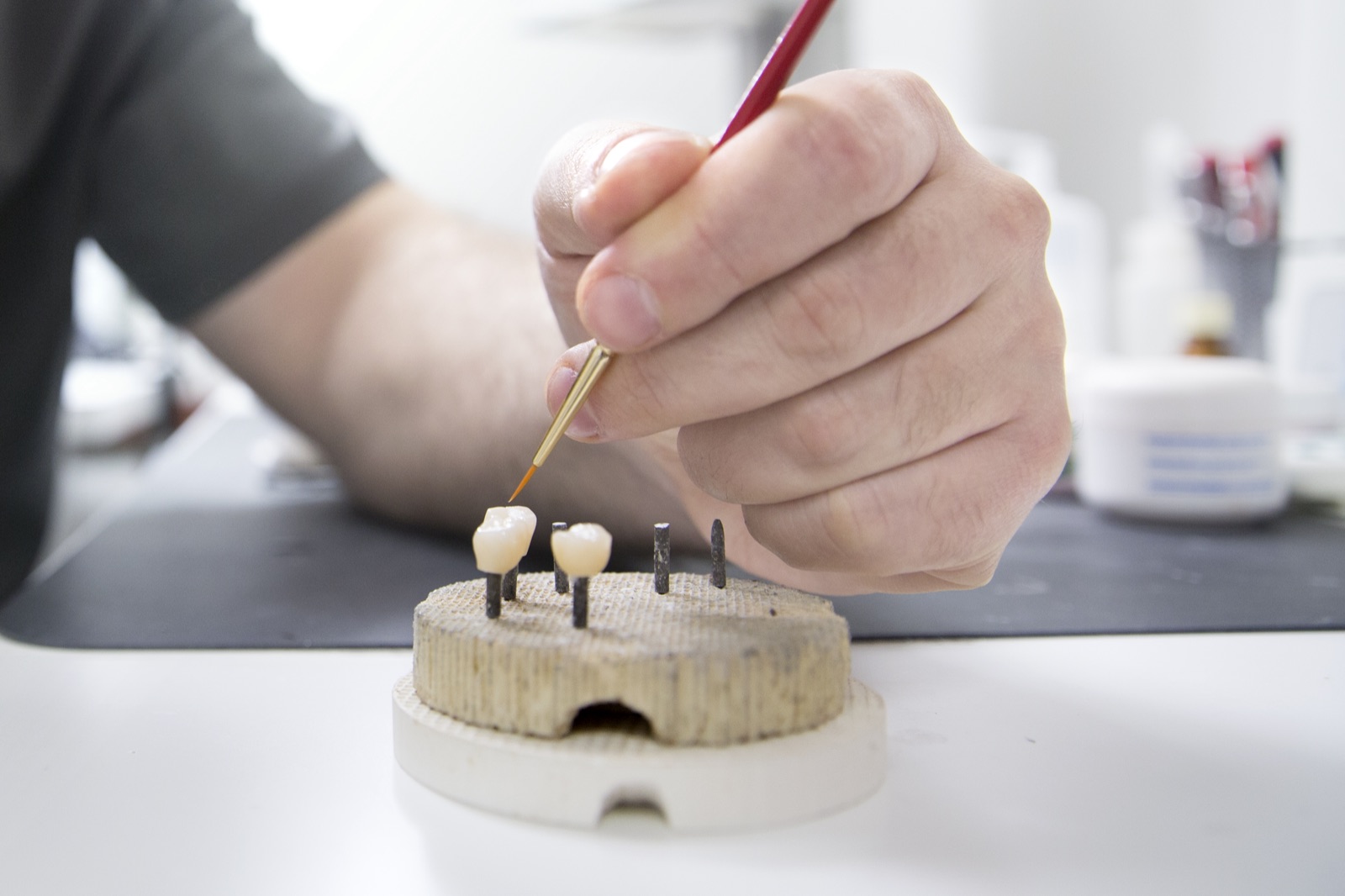
Phase 4 — Definitive restorations. Crowns, bridges and implant restorations made to the design proven in phase 3, fitted in sections rather than all at once.
Phase 5 — Protection and maintenance. Almost always a night guard, because in most cases grinding contributed to the original damage and has not gone away. Then regular review.
Six to eighteen months overall is typical. Longer where grafting and implant integration are involved.
Reconstruction versus taking everything out
A fair question, and one worth asking directly.
Removing all the teeth and placing a full-arch implant bridge is sometimes the right answer — where most teeth are unsalvageable, where periodontal disease is severe and generalised, or where a patient has been through years of repeated treatment and wants an end to it.
But extracting teeth that could have been kept is not a decision to make for convenience. Natural teeth have a ligament that senses pressure; implants do not. Bone stays where teeth are. And a reconstruction that keeps ten sound teeth is usually less expensive than a full arch, not more.
If a plan proposes clearing an arch, ask which specific teeth are unsalvageable and why. There should be a tooth-by-tooth answer.
What it costs
Reconstruction is priced by its components, which is why no honest single figure exists. A plan of eight crowns and two implants costs very differently from one of twenty units and grafting.
For reference, a full arch of implants — the most involved end — runs roughly $18,000 to $36,000 per jaw, varying with implant count, bridge material, grafting, extractions, infection and sedation. Reconstruction that preserves your own teeth commonly costs less than that.
Ask for the plan itemised by phase, with the option of doing it over two or three benefit years if that helps with insurance maximums. Most reconstructions can be staged without clinical compromise.
Starting properly
The most valuable thing at a first appointment is an honest, tooth-by-tooth assessment and a clear account of what your bite is doing. Book a consultation and that is where we will begin.
Common questions
How long does it take?
Usually six to eighteen months, in phases, with function throughout. You are not without teeth at any point.
Will I be in pain?
Individual procedures are done under anaesthetic. The phase people find hardest is adapting to temporaries at a new bite, which is odd rather than painful and settles within weeks.
Can it be done faster?
Parts can be compressed. Bone integration and the temporary-bite testing period are the two that should not be.
Do I have to do it all at once?
No. Staging over two or three years is common and often sensible for insurance reasons. The plan should be made as a whole even if executed in parts.
Will my face change?
If your bite has collapsed from wear, restoring the height usually restores facial support — most people look like themselves from some years earlier rather than different. You see this in the temporaries before anything is permanent.
What if I grind my teeth?
It is accounted for in the material choices and it is the reason a night guard is part of the plan. Rebuilding without addressing grinding is how reconstructions fail early.
Is it covered by insurance?
Partly. Individual procedures are claimable, but annual maximums mean a large plan usually exceeds one year's coverage. Staging helps. Submit a predetermination first.
How long will the result last?
Well-made restorations on healthy foundations last many years. The variables are your grinding, your cleaning, and whether you keep your maintenance appointments — not the porcelain.

Free Dental Implant Seminar — No Obligation, No Pressure
"Everything You Need to Know About Today's Dental Implant Treatments" — held monthly at our Markham clinic.
Explore Topics
Written by
Dentistry at Vitality Health
Content creator and writer sharing insights and stories.