
Dental Conditions
Receding gums
Gum recession exposes vulnerable root surfaces and changes the appearance of your smile. Early detection and treatment are what determine how far it goes.
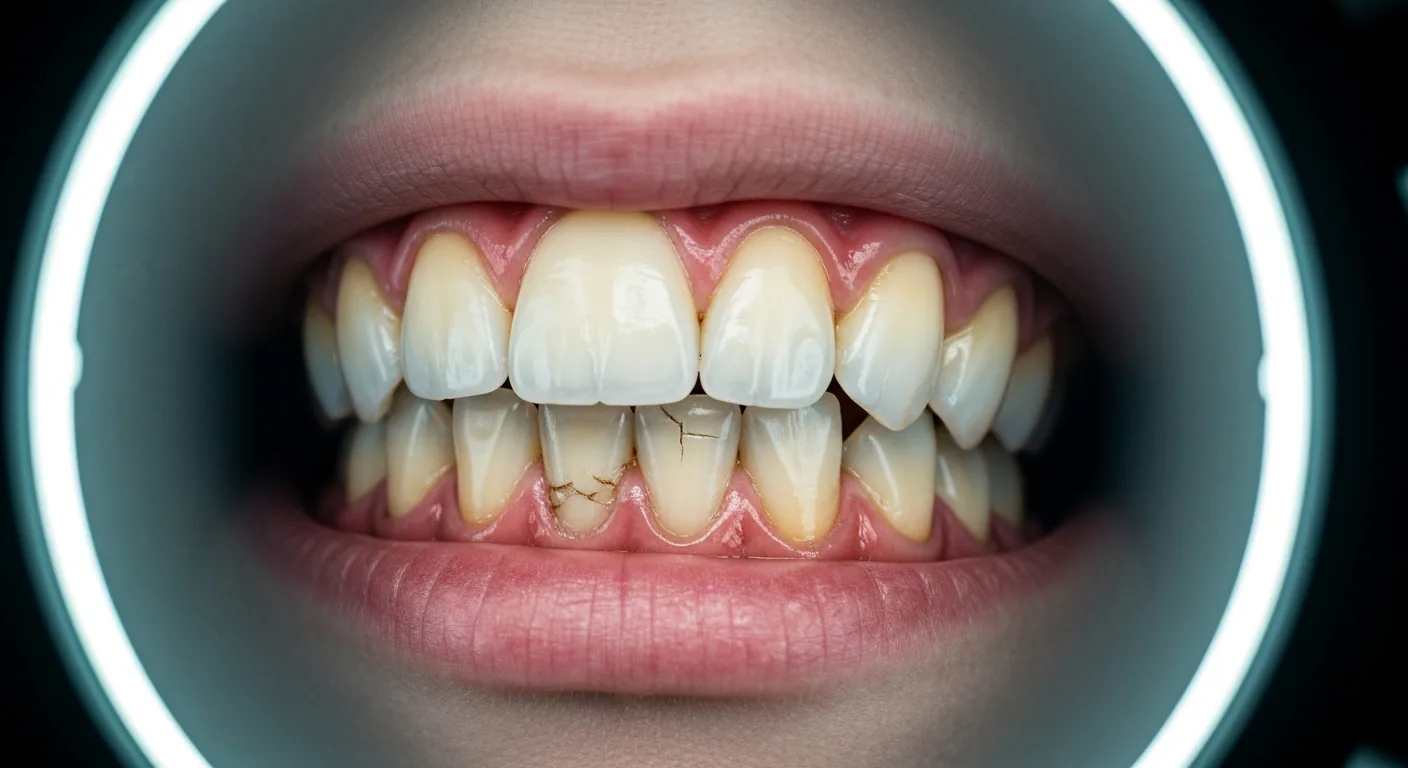
Recession happens when gum tissue pulls away from the tooth, uncovering the root surface beneath. Root surfaces have no enamel — they are covered by cementum, which is far softer and decays considerably faster.
That is why recession matters clinically and not only cosmetically: it creates sensitivity, and it exposes a surface that is much more vulnerable to decay.
The four main causes
Gum Disease
Bacterial infection destroying gum tissue and the bone underneath. Untreated periodontal disease produces significant tissue and bone loss, and the recession follows the bone.
Aggressive Brushing
Hard-bristled brushes and vigorous scrubbing traumatise gum tissue directly. A soft-bristled brush and a gentle technique largely prevent this — it is the most avoidable cause on this list.
Bruxism & Habits
Clenching and grinding create forces that contribute to recession over time. A custom night guard protects against them.
Genetics
Some people inherit thin gum tissue or reduced bone height and are simply more prone to recession. Good hygiene still minimises how much occurs.
What can be done
Recession does not reverse on its own, but it can be halted, and in many cases the lost coverage can be restored with gum grafting — which is designed to give long-lasting root protection and improves appearance.
The more important step is identifying and removing the cause. Grafting a root surface while the brushing technique that caused the recession continues unchanged achieves very little.
Concerned about your symptoms?
Book an assessment and we will measure recession properly and find its cause. Call (905) 479-7777.