
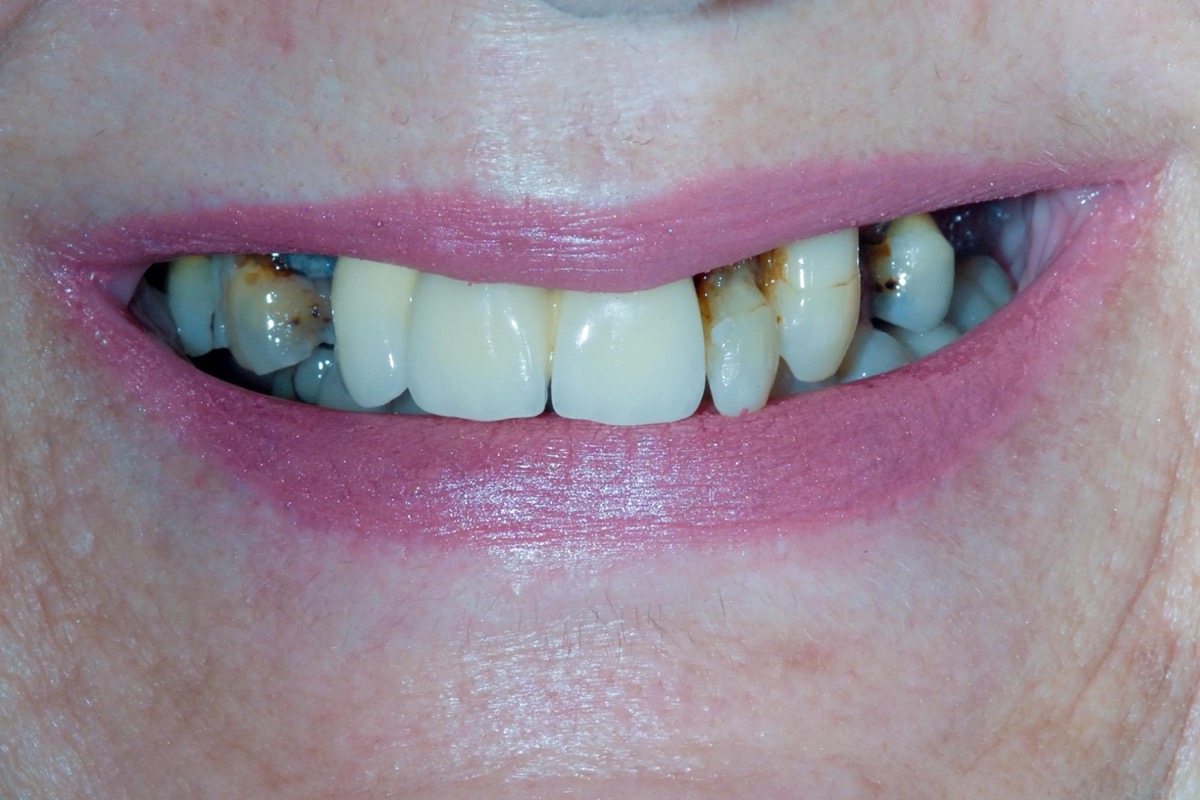
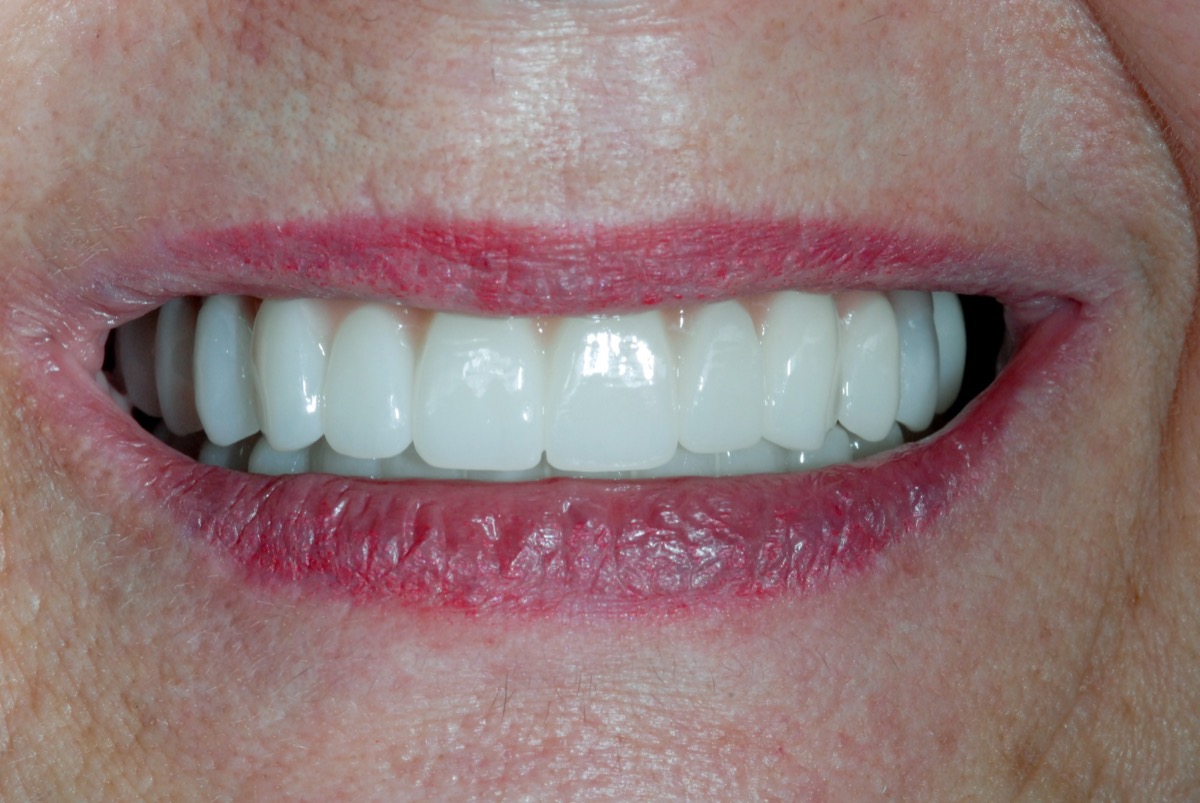
Full Mouth Restoration on All-on-6 Implants
Upper and lower arches on All-on-6 implants
Heavily decayed and discoloured teeth replaced with fixed restorations carried on six implants in each arch, rebuilt to an even shade and alignment.

Dental Conditions
Modern tooth replacement restores both function and appearance — and reduces the complications that follow from leaving a gap.
The visible consequence is cosmetic. The clinical consequences are that the teeth either side begin to drift toward the space, the opposing tooth over-erupts into it, and your bite gradually redistributes onto teeth that were not designed to carry it.
Underneath, the bone that held the missing tooth begins resorbing within weeks, because nothing is loading it any more. The longer the gap remains, the less bone there is to support a replacement.
A dental implant replaces the entire tooth structure including the root, and stimulates the bone to help slow the loss that follows a missing tooth. It does this without touching the healthy teeth on either side.
Implant-supported bridges or individual implants provide stable, natural-functioning restoration — fixed in place, and not removed daily like a partial denture.
All-on-4 or All-on-6 implant systems provide fixed teeth for extensive tooth loss, removing the slipping and adhesive that come with removable dentures, with far fewer dietary limits.
Dr. Singh brings a 31+ year implant career, and our team has placed thousands of implants since 1985, supported by 3D imaging and computer-guided surgery.
That said, implants are not right for everyone or every gap. Where a bridge or a denture is the better answer for your circumstances — clinically or financially — we will tell you so.
A gap is not stable. The teeth on either side drift toward it and the tooth above or below it drifts down, so the bite changes shape around the space. The bone that used to hold the missing tooth begins to resorb within months.
None of this is an emergency, but all of it makes later treatment more involved. Replacing a tooth soon after losing it is usually simpler and less expensive than replacing the same tooth three years on.
An implant replaces the root as well as the crown, which is why it keeps the bone working and does not rely on the neighbouring teeth. A bridge is quicker and does not involve surgery, but it means reshaping healthy teeth either side. A denture is the least invasive and the least stable.
Which is right depends on your bone, your general health and what you want to spend. We will lay out all three honestly, including where an implant is not the sensible answer.
The treatments that address this.
Both of these patients had teeth replaced with implants after years without them. Individual results vary.
Upper and lower arches on All-on-6 implants
Heavily decayed and discoloured teeth replaced with fixed restorations carried on six implants in each arch, rebuilt to an even shade and alignment.
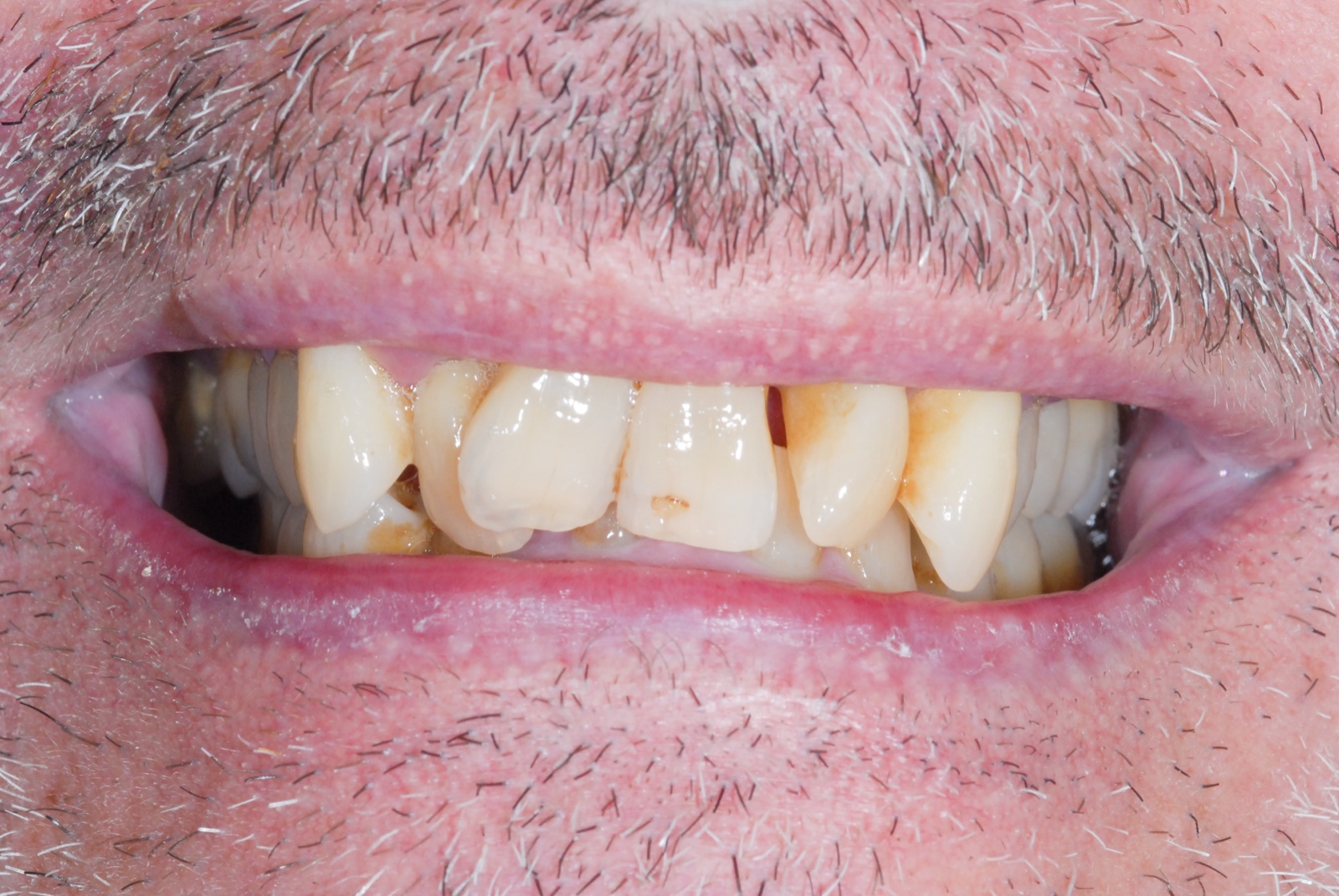
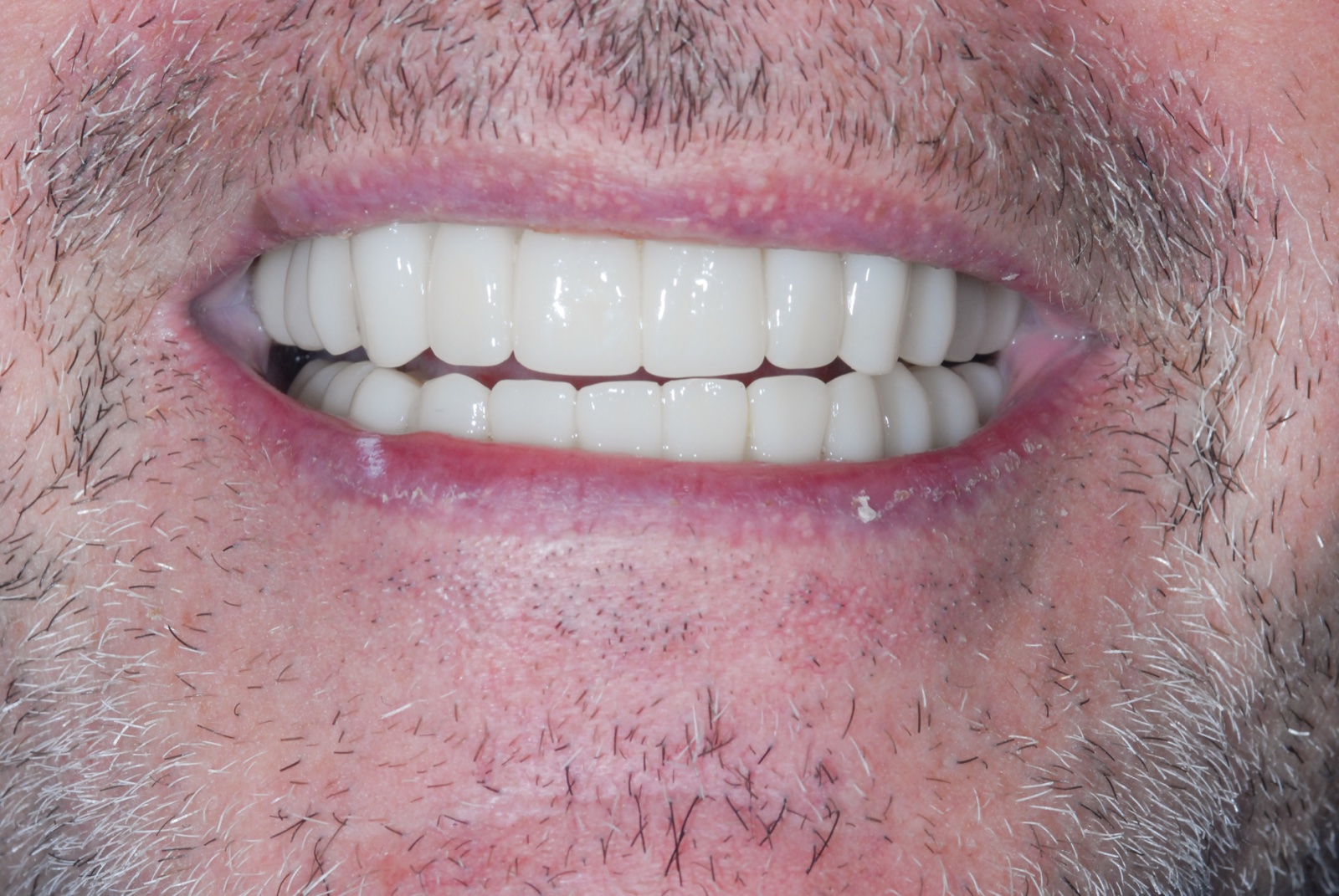
Full Mouth Rehabilitation using Four unit implant bridge; Crowns on remaining teeth
Two implants supporting a four-unit bridge at the front, with crowns on the remaining teeth to complete a full-mouth rehabilitation.
Book a consultation and we will lay out every option with real costs and timelines. Call (905) 479-7777.