
Full Mouth Restoration on All-on-6 Implants
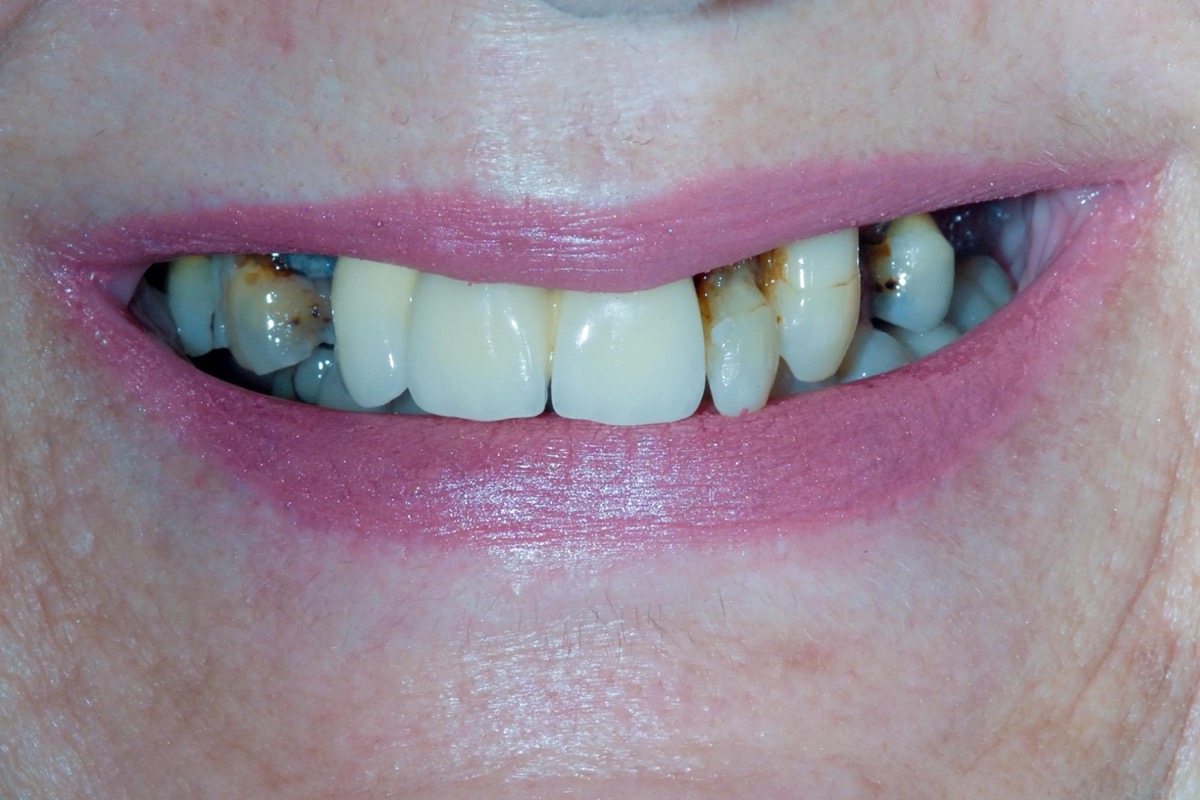
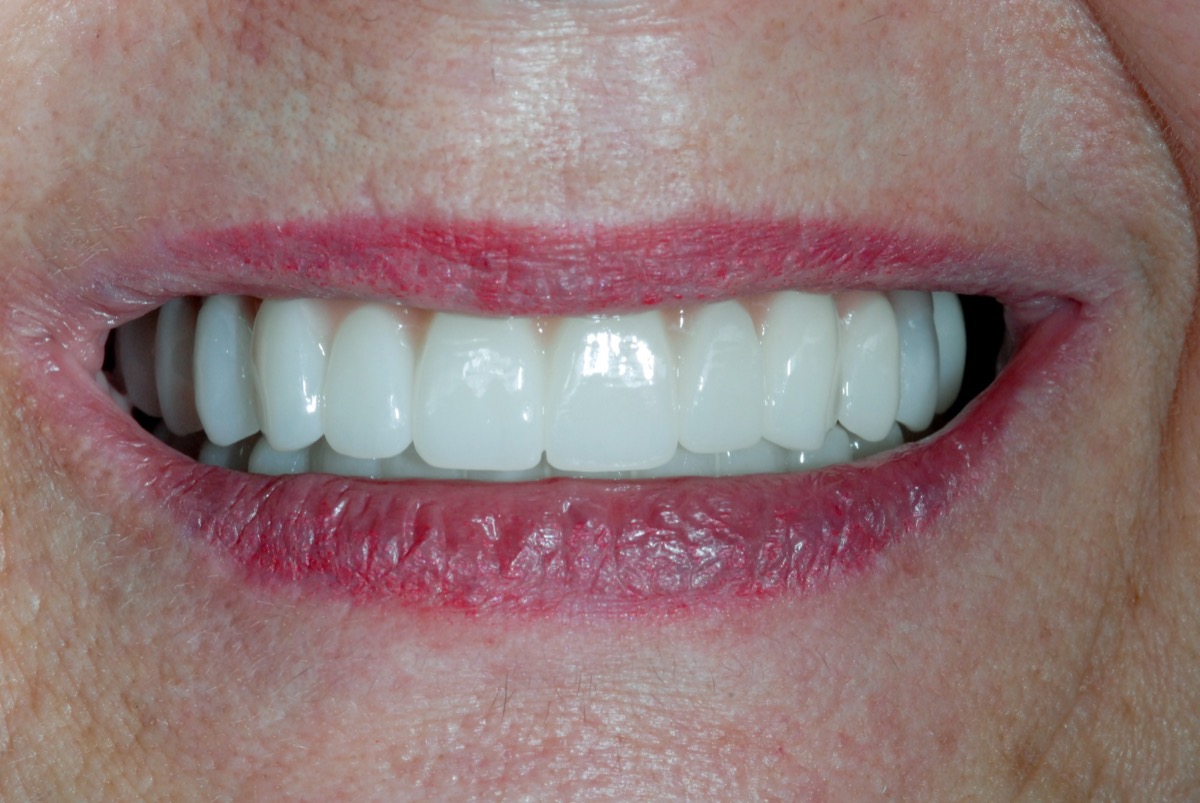
Upper and lower arches on All-on-6 implants
Heavily decayed and discoloured teeth replaced with fixed restorations carried on six implants in each arch, rebuilt to an even shade and alignment.

Dental Conditions
The change in facial structure that follows long-term tooth loss and bone deterioration — and what implant reconstruction can and cannot undo.
Your jawbone maintains itself through the forces transmitted by tooth roots during chewing. Remove the teeth and that stimulation stops, so the bone resorbs.
Conventional dentures do not transmit force into the bone — they rest on the gum above it. So the ridge continues to narrow year after year, and the facial structure it supports changes with it: the lower face shortens, the chin rotates forward, and the lips lose their underlying support and thin.
Bone resorption begins immediately after tooth loss, but the changes are not yet visible externally. This is the ideal point to intervene, and almost nobody does.
After years of denture wear, the ridge has narrowed appreciably. The lower face shortens and lips thin and lose support. Dentures need relining more often.
Marked facial change — a significantly shortened lower face and a prominent chin. At this point reconstruction is more complex and usually requires grafting.
A fixed prosthetic that restores facial support and, importantly, loads the bone again to help slow further loss. Results are immediate in appearance terms.
Addressing both arches, combining bone grafting with restorative work where loss has been extensive.
Complete reversal is not possible. Bone that has been lost over decades cannot be entirely rebuilt, and anyone promising to turn the clock back fully is overselling.
What implant restoration does achieve is significant: it halts further bone loss and restores facial support dramatically. Timelines vary — All-on-4 can deliver fixed teeth the same day, while complex full cases run three to nine months. Patients keep teeth throughout treatment.
The lower third of the face is held up by the teeth and the bone around them. When teeth are lost, that bone is no longer being used and slowly resorbs, so the distance between nose and chin shortens. The lips lose what they were resting against, the corners of the mouth turn down, and lines form that are often read as ageing rather than as tooth loss.
It is a gradual change, which is why it is so often missed until an old photograph makes it obvious.
Restoring the height of the bite restores the support, and in most cases the change to the face is immediate once the new teeth are in. What cannot be undone is bone that has already been lost, which is why we are careful to say what a case can realistically achieve before starting it.
Where a great deal of bone has gone, grafting may be needed first, or the restoration designed to replace the missing tissue as well as the teeth. Either way you will see the plan, and the limits of it, before you commit.
The treatments that address this.
Both of these patients had lost height in their bite, and with it the support for the lower face. Individual results vary.
Upper and lower arches on All-on-6 implants
Heavily decayed and discoloured teeth replaced with fixed restorations carried on six implants in each arch, rebuilt to an even shade and alignment.
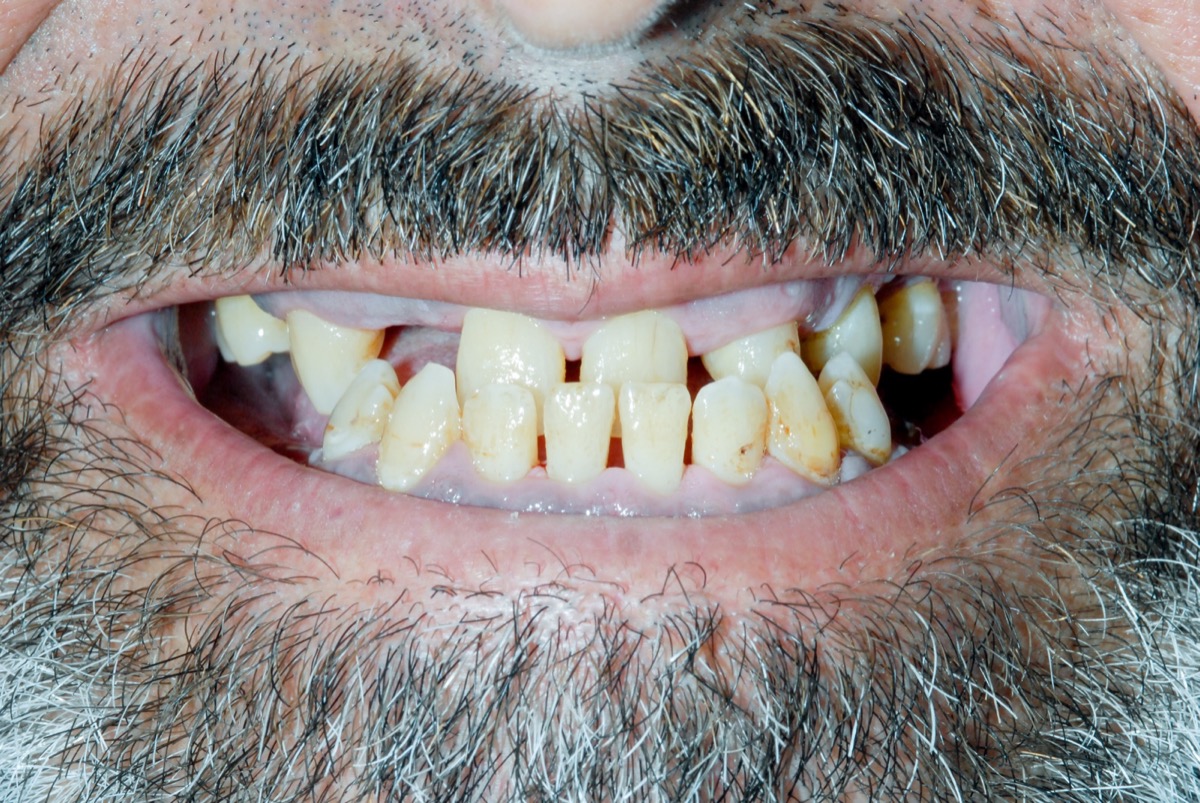
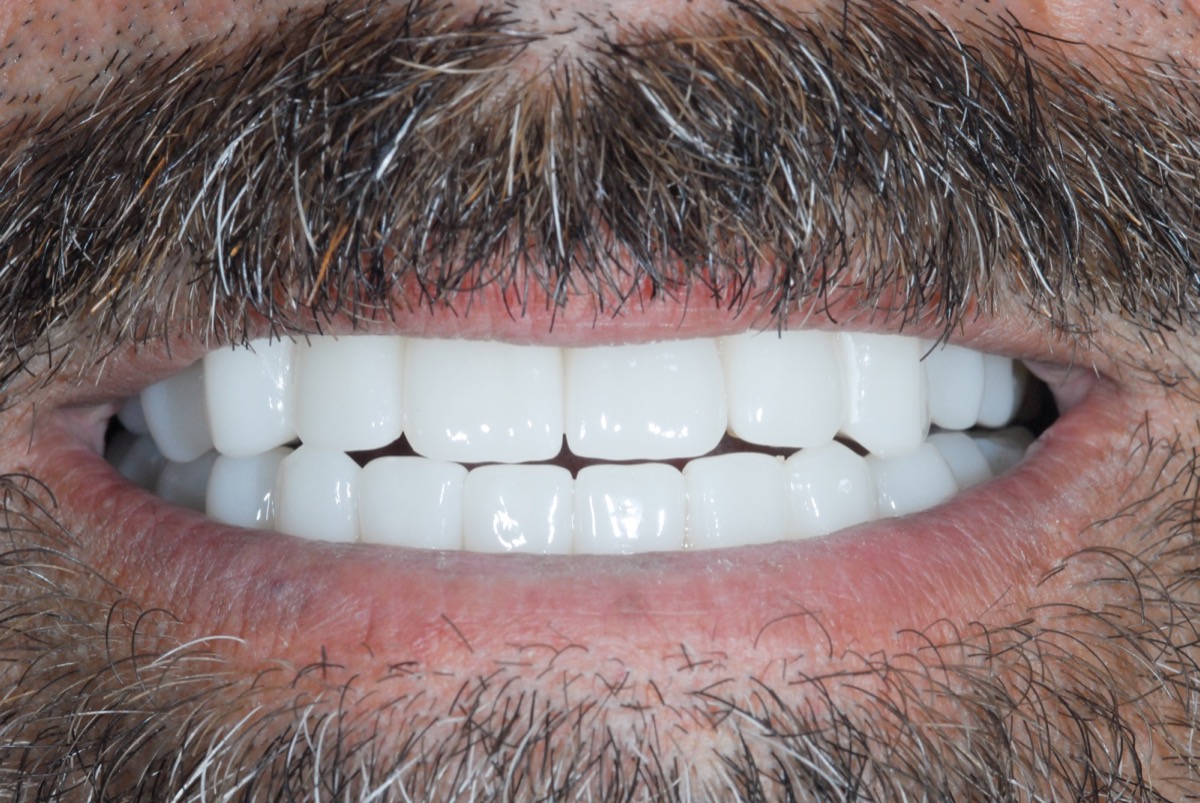
Upper and lower all-on-6 implant-supported restorations
A complete full-arch rehabilitation, restoring chewing ability and improving aesthetics using upper and lower all-on-six implant solutions
Book a consultation to discuss what is realistic in your case. Call (905) 479-7777.