Bone Regeneration
Rebuild your jawbone
and restore implant options.
Missing teeth lead to bone loss. When you've lost teeth for months or years, jawbone deteriorates, sometimes disqualifying you from implants. Bone grafting regenerates the bone, making you a candidate. Dr. Claudio Tocchio, our oral surgeon and former Chief of Dental Surgery at North York General Hospital, performs sophisticated grafting procedures with excellent predictability.
Why Bone Loss Occurs
Understanding the problem
Bone exists to support teeth. When a tooth is lost, the stimulation that maintains bone is gone. Without that pressure and use, the bone begins to resorb—your body reabsorbs it as unnecessary. This process accelerates over months and years. A patient who lost teeth ten years ago may have significant bone loss affecting facial contours and dental options.
The location matters. Upper front bone (anterior maxilla) resorbs faster than lower back bone. This is why patients missing upper front teeth develop a collapsed appearance—the bone supporting the lip and cheek disappears. The sinus may descend lower, occupying space where an implant could otherwise go.
Denture wearing accelerates bone loss. Dentures apply pressure unevenly, causing bone resorption patterns. Patients in dentures for decades often have severe bone loss. The longer you wait after tooth loss, the more bone is lost. Implants placed sooner after tooth extraction preserve more bone.
Don't wait—schedule a consultation →Grafting Techniques
Types of bone grafts we place
Dr. Tocchio uses various materials and techniques depending on the location and amount of bone needed.
Most Common
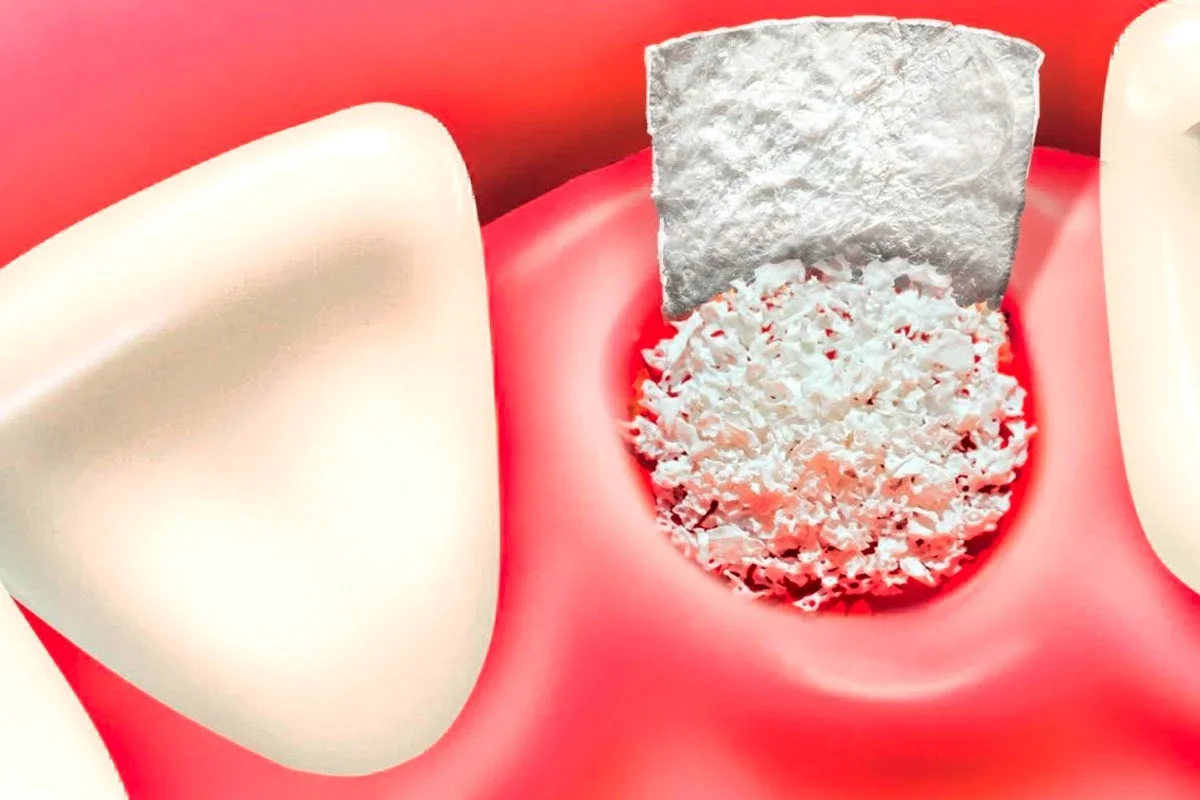
Allograft
Sterilized cadaver bone that provides scaffold for your own bone to grow. Safe, effective, and eliminates need for a second surgical site.
Learn more ›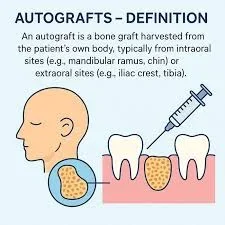
Maximum Efficacy
Autograft
Bone harvested from your own jaw, chin, or hip. Most predictable but requires additional surgery. Reserved for cases needing maximum bone volume.
Learn more ›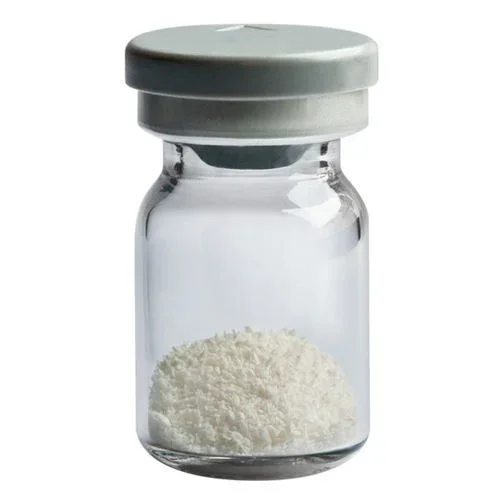
Synthetic Option
Xenograft
Bone from animal sources (typically bovine). Provides structure for integration. Less predictable than allograft but useful in certain cases.
Learn more ›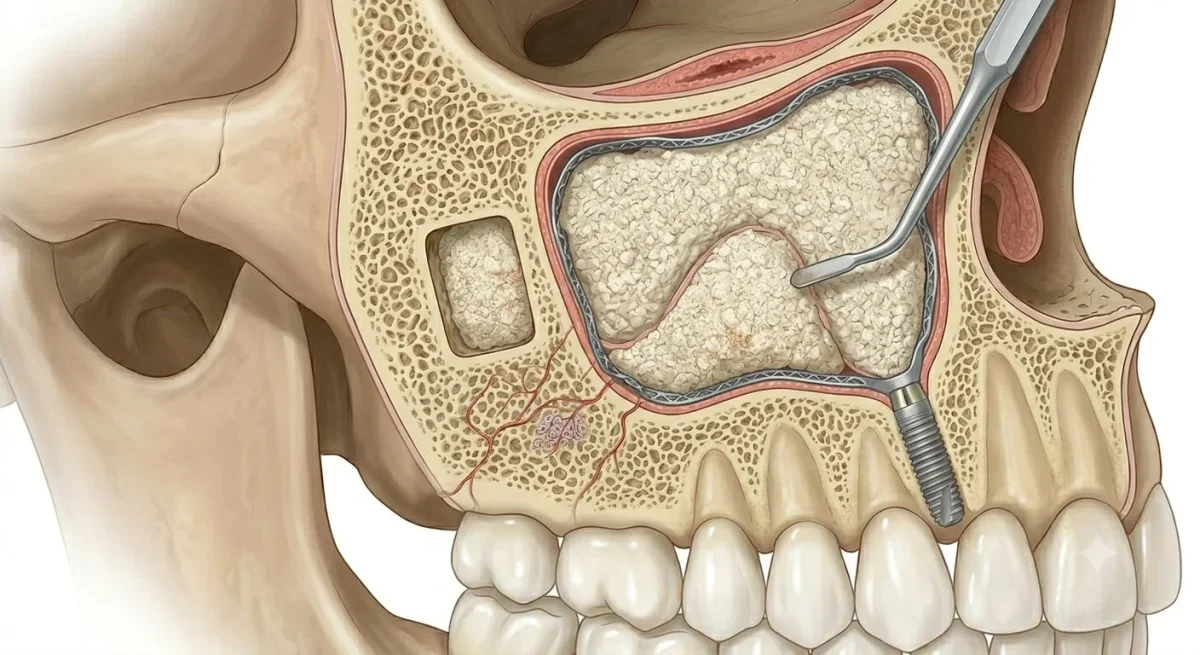
Growth Factors
Augmentation with Membranes
Bone graft covered with absorbable membrane to direct bone growth. Membranes protect the graft and enhance integration.
Learn more ›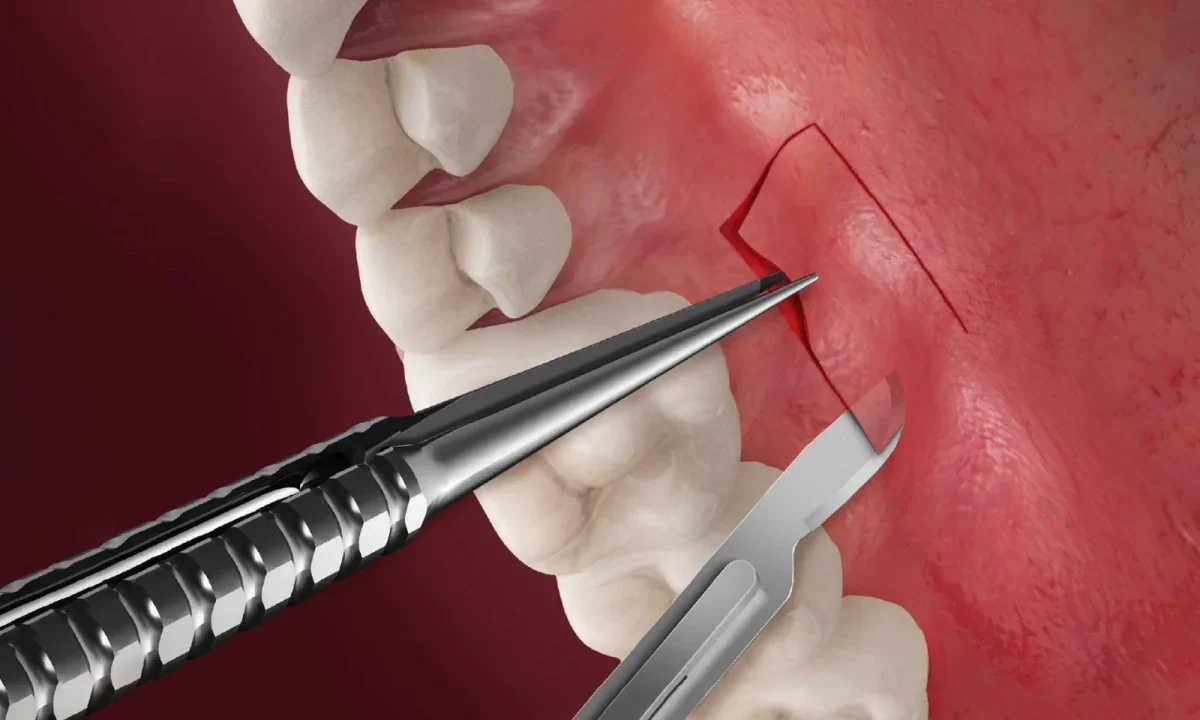
Soft Tissue
Soft Tissue Grafting
Grafted gum tissue to restore lost soft tissue around implants or teeth. Improves esthetics and health.
Learn more ›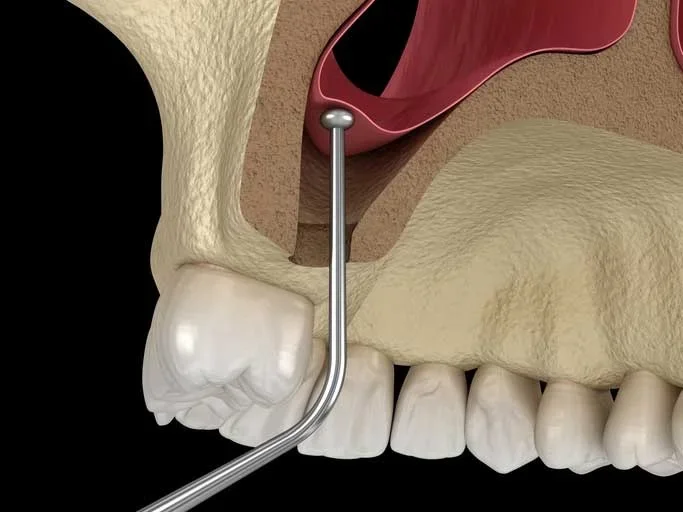
Advanced Technique
Sinus Lift
Specialized procedure raising sinus floor to create space for implants in upper back region. Common for upper molar implants.
Learn more ›The Recovery Process
What to expect after bone grafting
Bone grafting surgery takes 1-3 hours depending on complexity. Dr. Tocchio performs the procedure with careful technique to ensure graft material is well-integrated. Immediate post-operative care includes ice, elevation, and pain management. You'll have some swelling and discomfort—manageable with prescribed medication.
For the first 1-2 weeks, you follow a soft diet and avoid disturbing the surgical site. Gentle rinsing with salt water (after day 5) promotes healing. You may notice bruising on the face or jaw—this is normal and resolves over 7-10 days. Sutures are removed at 10-14 days.
Integration takes 4-6 months. During this time, your body gradually replaces the graft material with living bone. We perform periodic X-rays to monitor integration. Once sufficient new bone has formed, implants can be placed. In some cases, implants are placed simultaneously with grafting (if the site requires minimal grafting). Dr. Tocchio determines the timing based on the specific case.
Discuss recovery details in consultation →Bone grafting FAQs
Answers to questions about bone grafting procedures and candidacy.
Not necessarily. A 3D CBCT scan determines bone quantity and quality. If sufficient bone exists, implants can be placed without grafting. However, if bone is inadequate, grafting enables implant placement. Dr. Singh and Dr. Tocchio assess together. With computer-guided surgery and angled implant positioning (like All-on-4), many cases avoid grafting even with moderate bone loss.
Allograft uses sterilized bone from cadavers. It's safe, readily available, and effective. No second surgical site is needed. However, your body must actively remodel it. Autograft uses your own bone (harvested from jaw, chin, or hip). It's more biologically active and integrates faster. The downside is a second surgical site, additional surgery time, and recovery. For most cases, allograft works excellently.
Typically 4-6 months. The bone graft provides structure; your body replaces it with living bone. We monitor integration with X-rays. Once adequate integration is confirmed, implants are placed. Some cases use accelerated protocols or simultaneous implant placement, reducing time to 3 months.
No. You receive IV sedation (with Dr. Ing) or local anesthesia. You don't feel pain during surgery. Post-operative discomfort is manageable with prescribed medication. Most patients report mild-to-moderate discomfort for a few days, then improvement.
A sinus lift raises the sinus floor (membrane lining the sinus cavity) to create space for implants in the upper back region. Upper molars require significant bone height. The sinus often descends lower over time, eliminating this space. A sinus lift carefully lifts the membrane and grafts bone underneath, creating implant space. It's performed under IV sedation and is well-tolerated.
Graft failure is uncommon (5-10% of cases) but possible. Poor surgical technique, inadequate graft material, smoking, or infection can compromise integration. We minimize risk through careful technique, proper material selection, and detailed post-operative instructions. If integration is inadequate at reassessment, re-grafting may be needed before implant placement.
Bone grafting costs vary based on type and extent: simple grafts $1,500-$3,000, complex cases $3,500-$5,500. Sinus lifts range $2,500-$4,000. Costs are typically separate from implant costs. We provide detailed estimates. Some insurance covers a portion. Payment plans are available.
Sometimes. If minimal grafting is needed and bone quality is adequate, implants can be placed simultaneously, reducing overall treatment time. However, if extensive grafting is required, placing implants after bone integration (4-6 months) is safer. Dr. Tocchio determines the best approach for your case.
Most bone grafting is performed via intraoral (inside the mouth) incisions, so external scarring doesn't occur. Intraoral scars heal well and are invisible externally. In rare cases requiring autograft from external sites (chin or hip), small external scars result, but they're typically minimal.