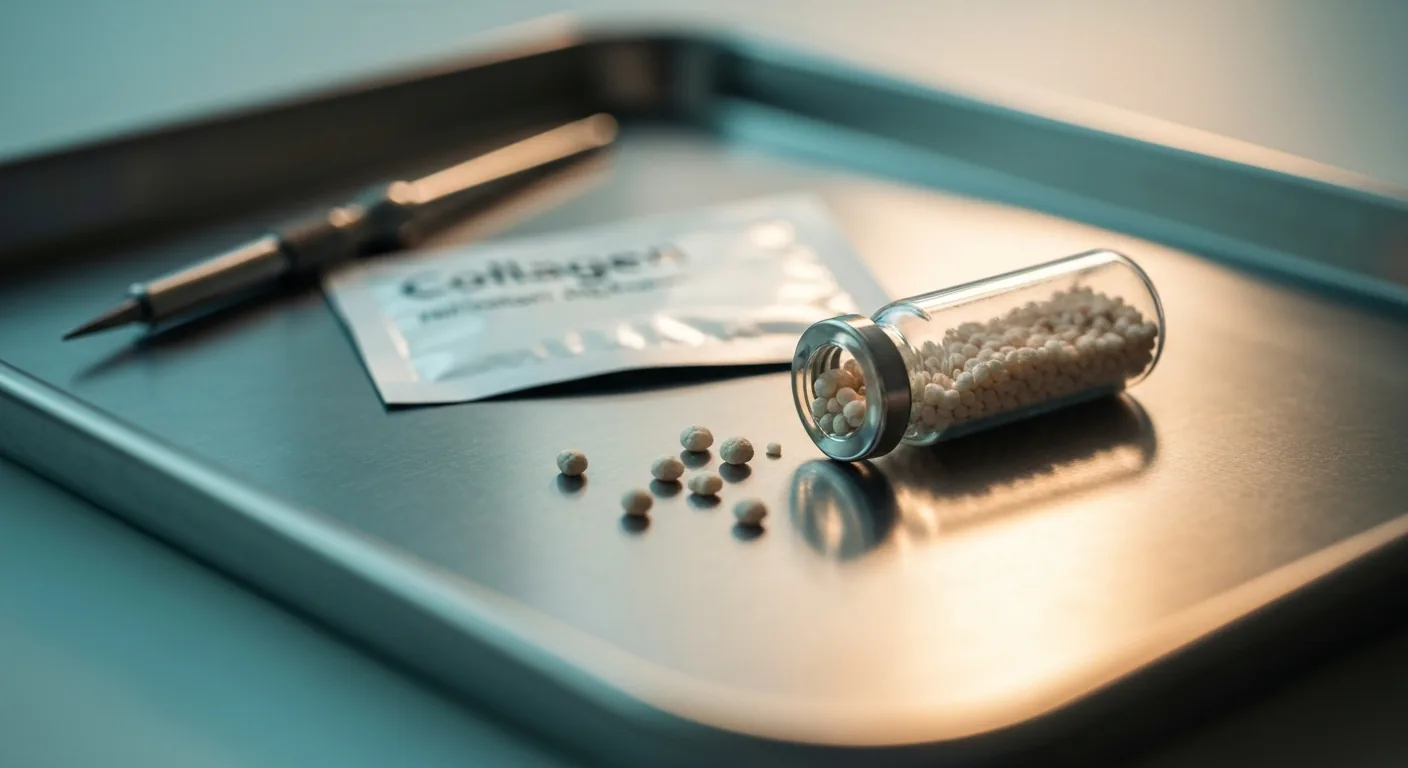
Socket Preservation
Performed immediately after extraction, bone graft material is placed into the extraction site to prevent the rapid bone loss that normally follows tooth removal.
Learn About Socket PreservationWHY IT HAPPENS
The jawbone is living tissue that constantly remodels in response to the forces applied to it. Tooth roots transmit biting and chewing forces into the bone, stimulating it to maintain its volume and density. When a tooth is removed — or lost to decay, trauma, or gum disease — that stimulation stops. The bone in the area begins to resorb within weeks, and the process accelerates over time.
Long-term denture wear compounds the problem. Conventional dentures rest on the gum tissue, not on the bone. They do not provide the root-level stimulation the bone needs to maintain itself. Over years of denture wear, significant bone volume can be lost — leading to a ridge that is too thin or too short to support implants without grafting.
Learn About Bone GraftingCAUSES
When a tooth is removed and not replaced, the bone below it begins to resorb (dissolve) within months because it no longer receives stimulation from the tooth root.
The bone loss continues progressively over time if the tooth remains unreplaced. By five years, as much as 25% of bone width can be lost.
This bone loss affects facial structure, creating a 'collapsed' appearance, and makes future implant placement more difficult.
Early replacement of missing teeth preserves bone and prevents these complications.
Traditional dentures rest on gum tissue and bone. Over time, this tissue resorbs, and dentures become loose.
Loose dentures shift during eating and speaking, affecting function and confidence. Relines provide temporary improvement.
The fundamental problem—continuing bone loss—cannot be stopped with dentures alone.
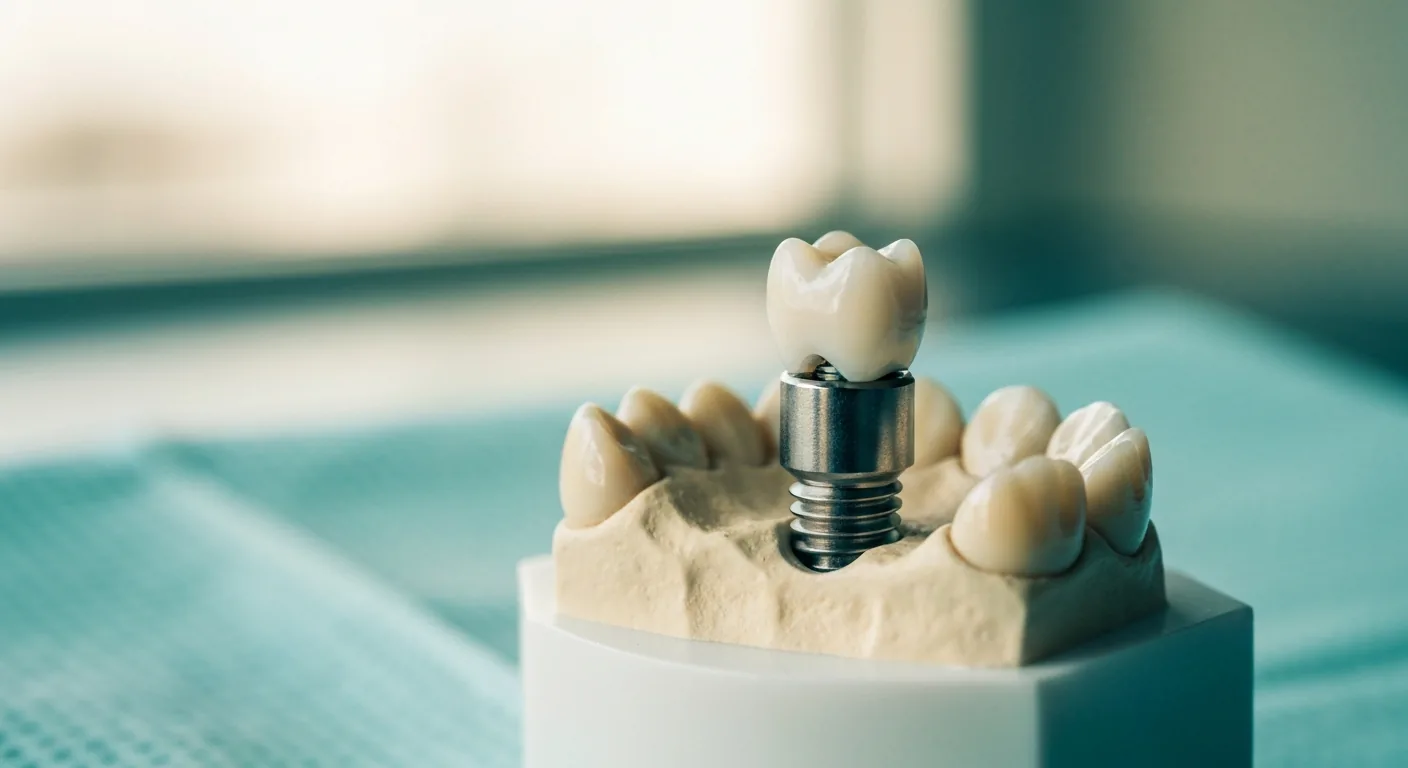
Implant-supported dentures or complete implant restoration prevents further bone loss and provides stable, functional teeth.
Severe gum disease destroys the bone supporting teeth. Untreated periodontitis causes progressive bone loss, eventually leading to tooth loss.
Early treatment of gum disease can halt progression, but lost bone is difficult to regenerate.
At Vitality, we catch gum disease early through regular monitoring and aggressive treatment to prevent bone loss.
Once bone is severely compromised, replacement with implants becomes necessary.
Extraction without replacement is the most common cause of bone loss. Even if the tooth is eventually replaced, some bone has already been lost.
The bone loss is most rapid in the first year after extraction, then slows but continues indefinitely.
Prompt replacement of extracted teeth—ideally with dental implants—preserves bone and maintains facial structure.
If extraction is unavoidable, immediate or early implant placement preserves the most bone.
As bone volume decreases, the facial structure changes: the lower third of the face shortens, the chin rotates forward, the lips thin and lose support, and the cheeks begin to hollow. This visible aging of the face is sometimes described as facial collapse — a direct result of bone loss in the jaw.
This change in facial proportions can make you appear years older than you actually are. The good news is that bone loss is treatable. Bone grafting and sinus lift procedures restore jaw volume, not only enabling dental implants but also restoring the facial contours that define a youthful appearance.
Explore Bone Grafting →Rebuilding the jaw to enable implants and restore appearance
Socket Preservation
Performed immediately after extraction, bone graft material is placed into the extraction site to prevent the rapid bone loss that normally follows tooth removal.
Learn About Socket PreservationSinus Lift
For upper jaw implants where the bone beneath the maxillary sinus has resorbed, bone is added beneath the sinus membrane to create height needed for implant placement.
About Sinus LiftsRidge Augmentation
When a ridge has collapsed (too narrow or too short), bone grafting restores the width or height needed for implant placement or to improve facial contours.
Explore OptionsAdvanced Grafting Materials
Vitality uses allograft, xenograft, and autogenous bone depending on the clinical situation. Dr. Tocchio selects the material that will provide optimal outcomes for your specific case.
Learn About Materials
Bone loss begins within weeks of tooth loss and accelerates over time

Even small bone deficiencies can affect implant placement and aesthetics

Bone grafting is highly successful and predictable with proper technique

Implants provide bone stimulation and prevent future loss
What you need to know
The rate and amount of resorption vary, but significant bone loss can occur in the first 6-12 months. The longer a tooth is missing, the greater the potential loss.
Yes, through bone grafting. Graft material acts as a scaffold for your body's own bone cells to grow and regenerate. Success rates are high with modern materials and techniques.
In most cases, yes. If bone volume is insufficient, grafting procedures can restore the height and width needed for implant placement. This may add time to treatment but enables successful implant results.
The grafting procedure itself takes 1-2 hours depending on the extent of grafting. The bone then requires 4-6 months to mature before implants can be placed.